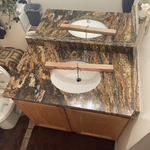
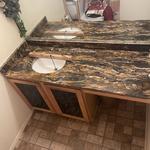
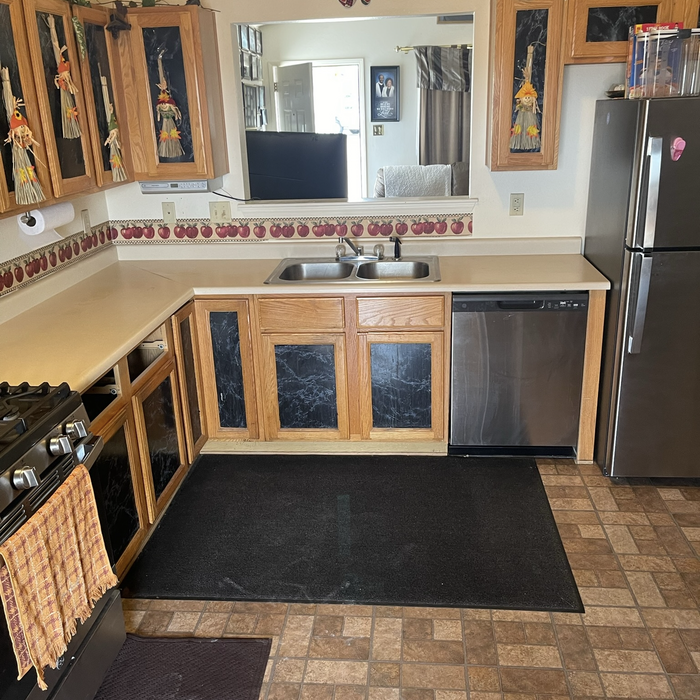
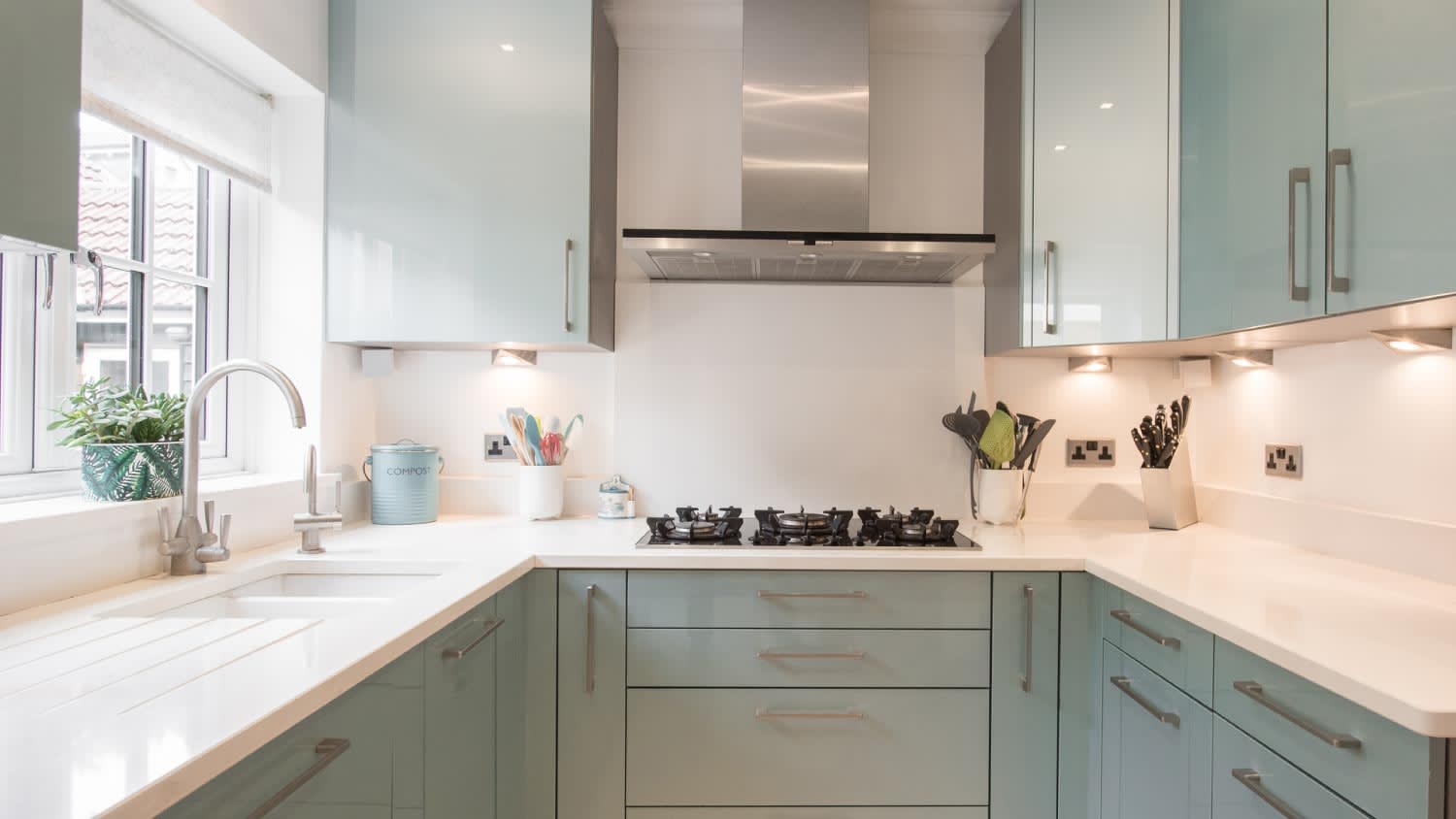
I pride myself on my professionalism, as well as my ability to complete every job to the homeowner's total satisfaction. I never leave a job unfinished, or a homeowner not 100% satisfied with my level of service - Call today!\n\n
"Albuquerque Tile and Stone did several projects around my house and always accommodated my every desire with fair and reasonable pricing. I recommend to family and friends and will use them in the future."
"the job was completed by 2 men but the fence & gate are not lined up straight; more of a zigzag & gate did not close properly so I had to have someone else redo the gate closure. They did not use a plumb line; just eyeballed it... Luckily it's in my backyard so not many people see it. At least they got the job done quickly right after I moved into my new home & needed a safe place to keep our dogs. "
Welcome to Man On The Run Handyman Services, proudly servicing Las Vegas and the surrounding areas. Our goal is to complete your project to perfection. We look forward to building long lasting relationships with the customers that we serve. We look forward to serving you. Call us today! You will not be disappointed.
Deciding between marble and granite for kitchen countertops depends on your personal priorities, budget, and style. Both materials have similar costs for material and installation.
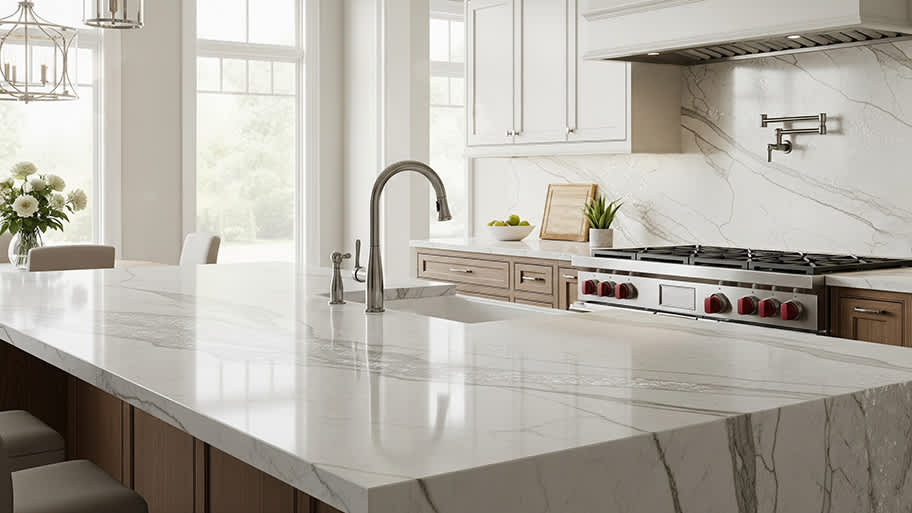
Marble offers a luxurious aesthetic and timeless beauty, but it is more expensive and requires more maintenance. It is susceptible to staining and etching from acidic substances like coffee, wine, or tomato sauce if spills are not cleaned up quickly.
Granite is highly durable, heat-resistant, and easier to maintain, making it a practical choice for busy kitchens.
Both materials should be sealed to protect against damage, but they can still be vulnerable to stains if spills are left on the surface for too long.
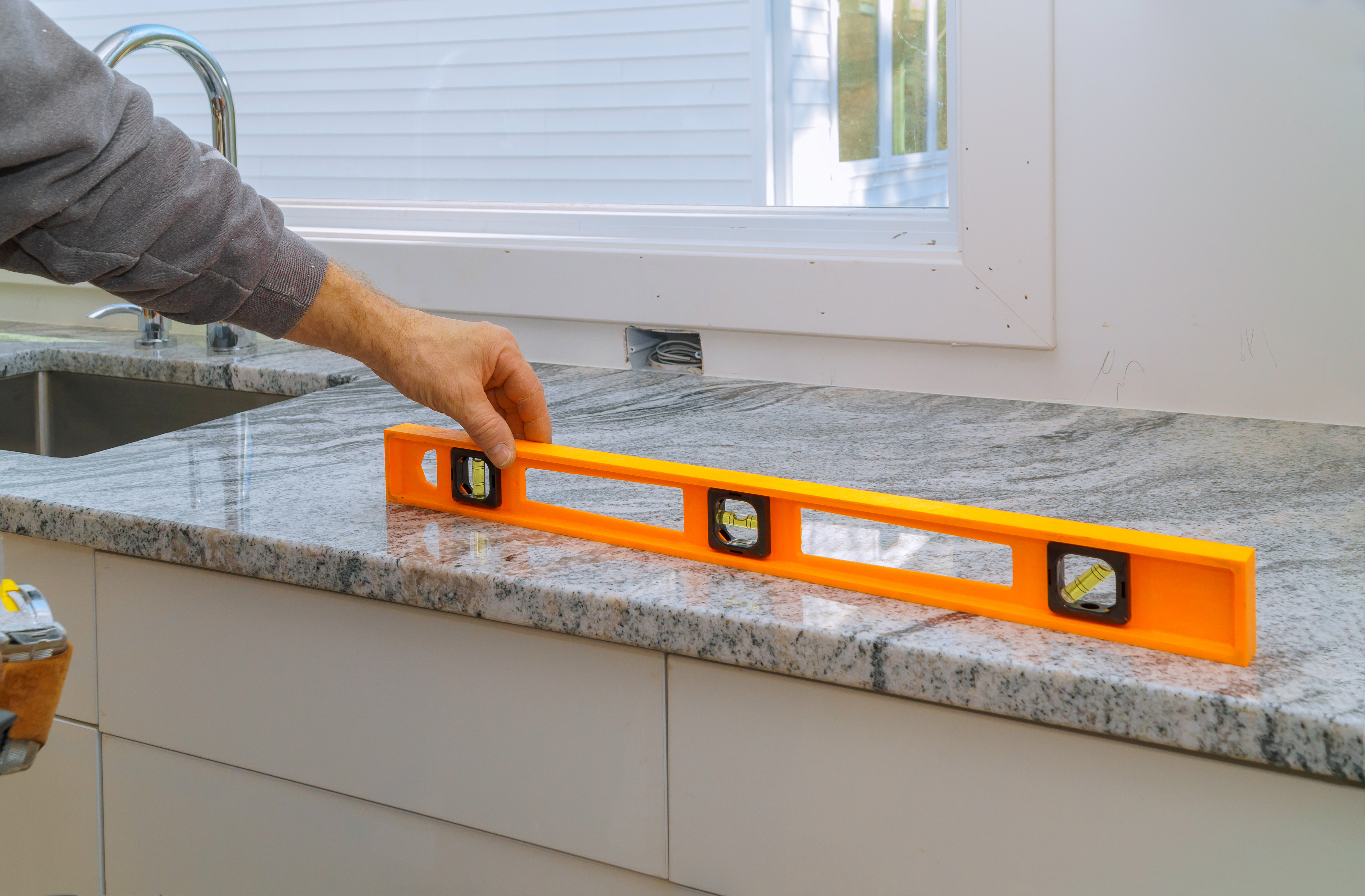
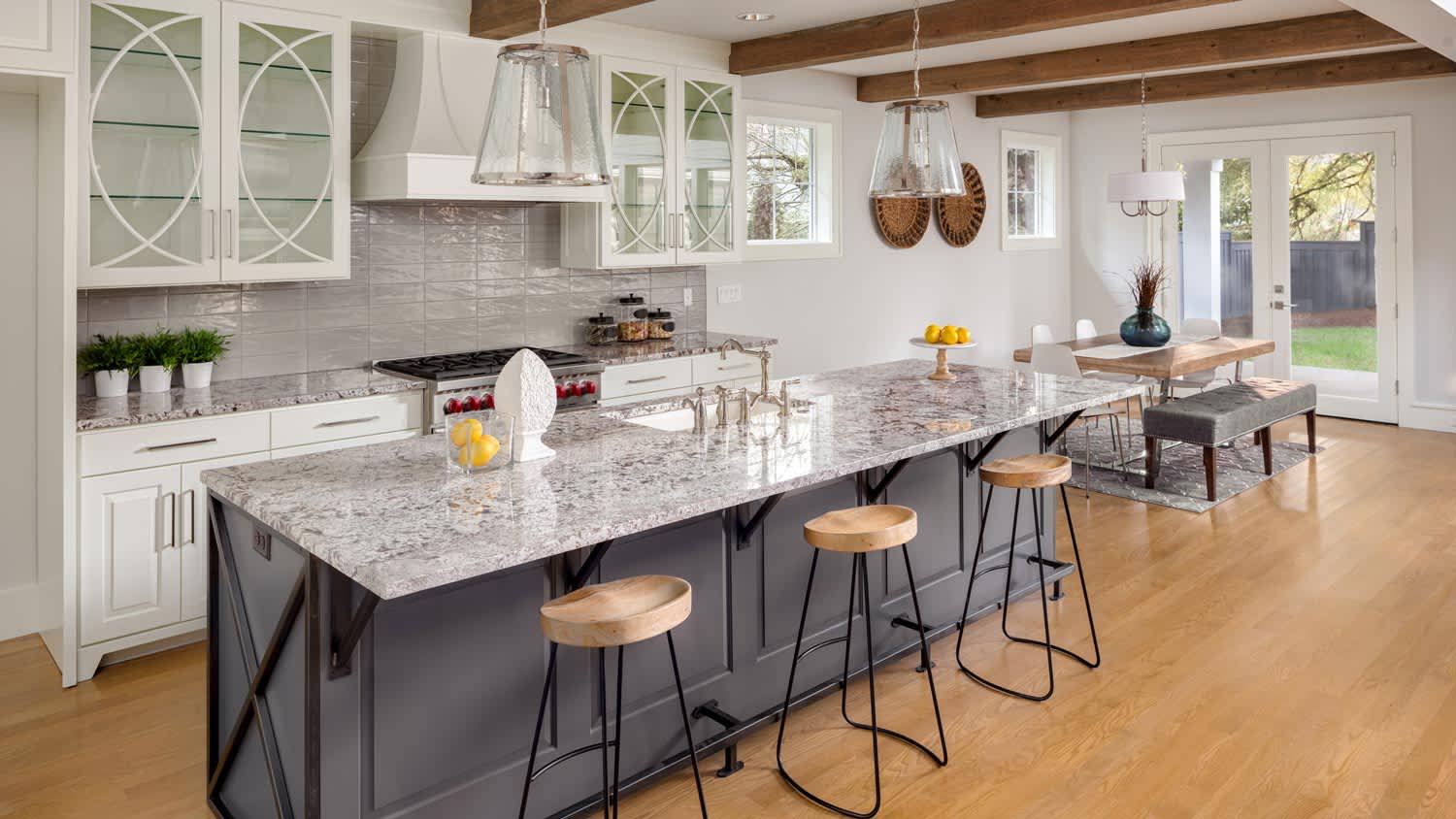
A minimum overhang of 10 to 12 inches is generally recommended for countertop or island seating to provide enough legroom. For increased comfort, an overhang of 15 to 18 inches is ideal, allowing for more space and a relaxed experience. However, a 10-inch overhang can be sufficient in certain situations, such as for bar-height countertops, when using small stools, or in smaller kitchens where space is limited. Taller countertops may also require less overhang than shorter ones. Ultimately, you should consider your specific needs for legroom and measure to ensure the overhang fits comfortably within your kitchen's layout.
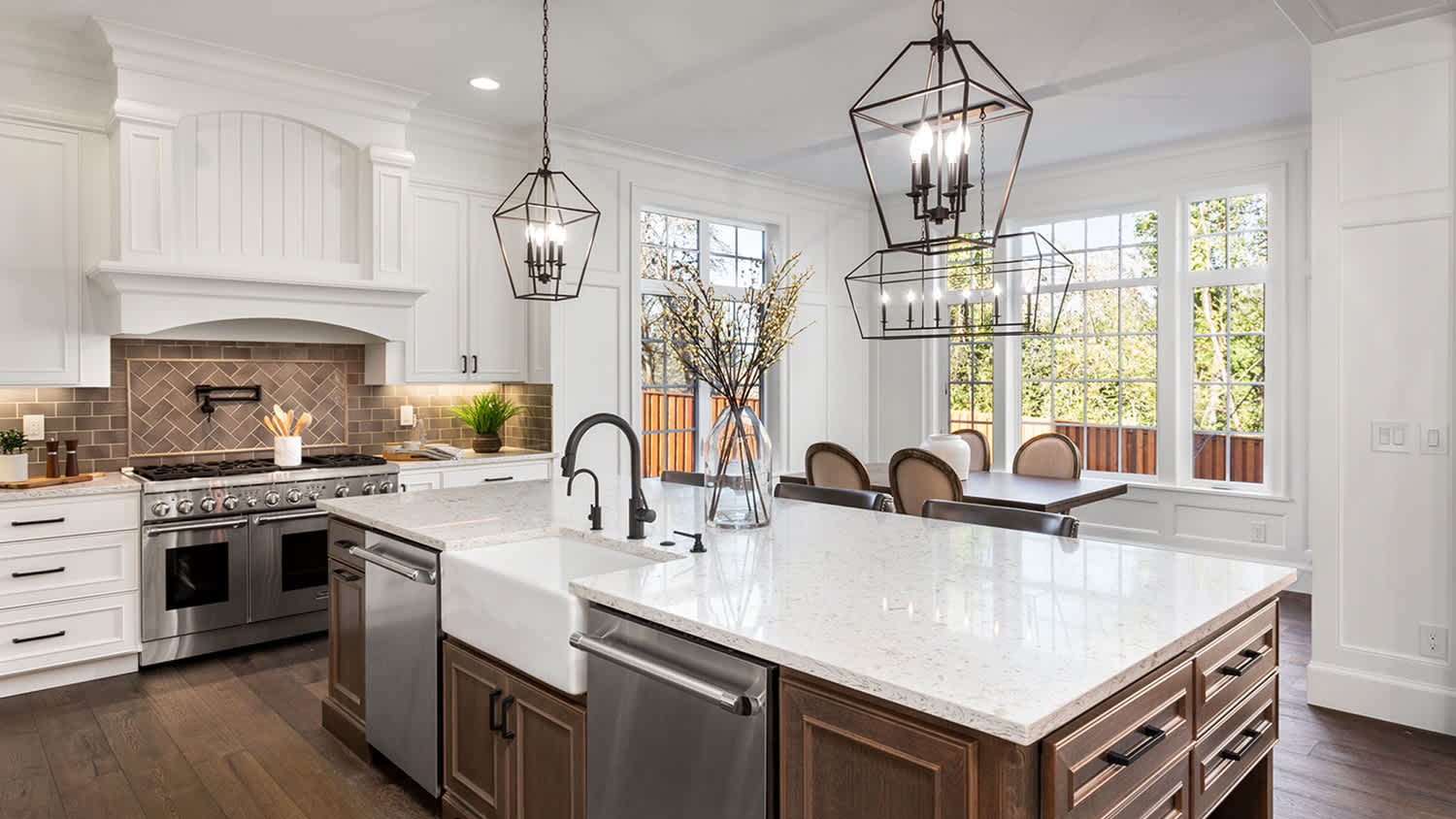
Engineered stone is known for its durability, lasting 15 to 20 years or longer. Of course, this range assumes high-quality materials and regular maintenance. After a couple of decades, the stone will start showing its age. Watch for discoloration, fading, stains, and burns, but it’s unlikely that engineered stone will experience structural failure.
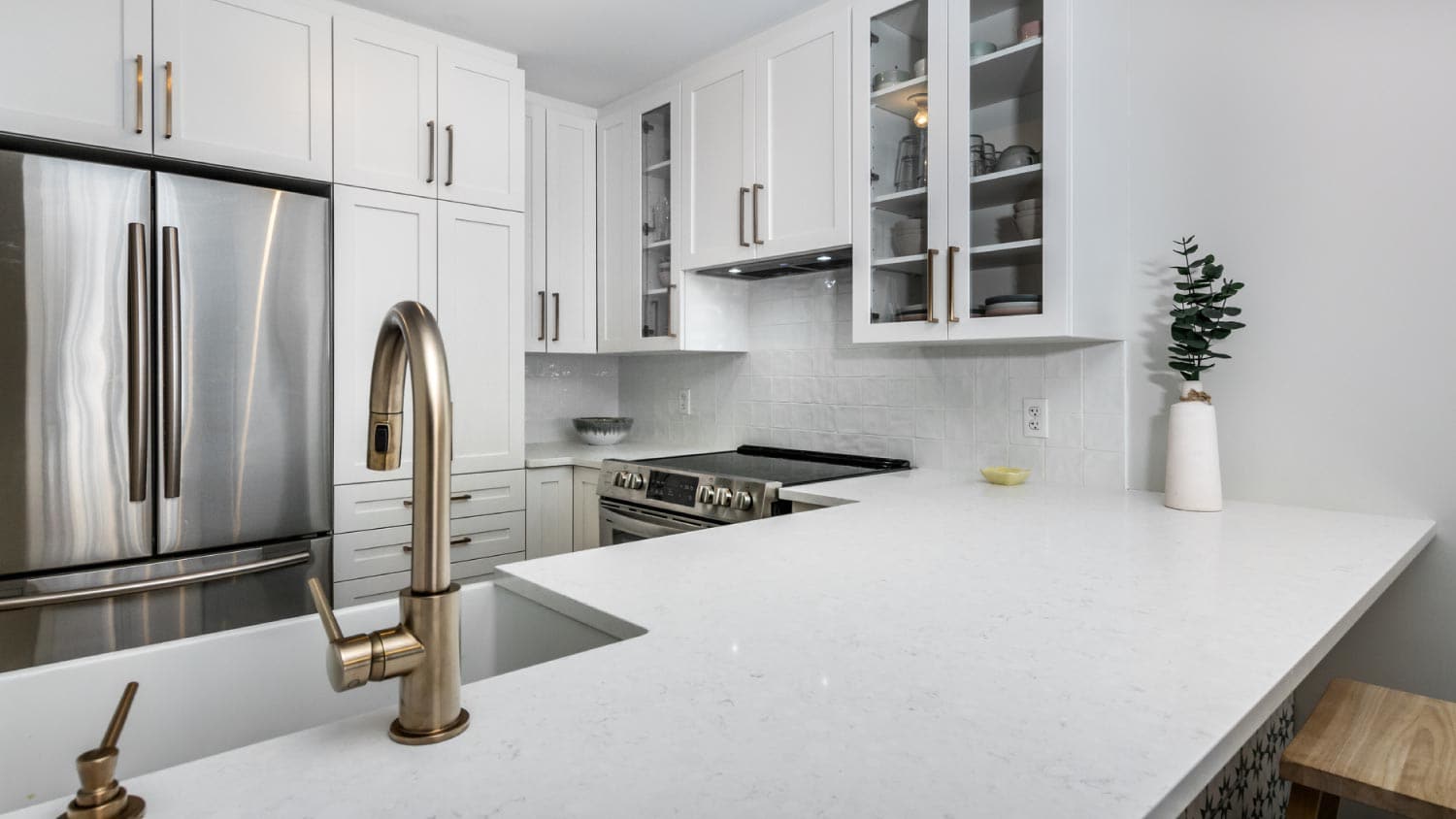
Small kitchens benefit from simple, blunt countertop edges, as complicated edges can create visual clutter and be more of a hazard if you bump into them. Eased edges are a top pick for small kitchens because they are simple, do not jut out, and do not take up additional space. Bullnose edge countertops are also popular because of their rounded design; they are elegantly simple and will not be sharp when you bump against them. Single-beveled edges are also a good choice, as they look a little more upscale but still have rounded edges for safety and simplicity.
Stone can last anywhere from 15 to 100 years before it needs to be restored. You should clean your stone flooring or countertops regularly using cleaners designed for stone surfaces. Stay on top of vacuuming to prevent scratches from deteriorating stone faster, deep clean your stone surfaces using a pH-neutral cleaning solution at least once a year, and reseal the stone every one to five years, depending on foot traffic or usage.
The Santa Rosa, NM homeowners’ guide to stone countertop services
From average costs to expert advice, get all the answers you need to get your job done.
Are you getting close to deciding on Caesarstone® countertops for your home? Discover all the details behind Caesarstone® countertop costs in this guide.
Are you weighing engineered stone vs. natural stone countertops? Both offer many of the same benefits, but there are differences in price, durability, and appearance.