






If it’s your property, then you can plant a tree near power lines, but it’s not the best idea. Any vegetation that grows within 10 feet or so of power lines will fall under the responsibility of the utility company, and they may trim or remove it as necessary. If you do move forward with your plan, try to choose a smaller ornamental tree, plant it as far away from the power lines as you can, and keep it trimmed to avoid future problems.
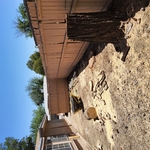
A tree can grow back from its stump, but full regrowth is unlikely (especially for more stubborn conifer trees). Instead, trees are more likely to send up a number of shoots from the dead stump, which will try to develop into primary stems over time. In other words, it will start to look increasingly bushy. The goal of killing and drying out a tree stump is to prevent that from happening, as well as make the stump easier to completely remove.
The fastest ways to remove a tree stump are by grinding it or burning it.
Stump grinding is often the quickest method, with professionals able to chip away a stump and its roots within a single session. You have the option to hire a professional stump removal service or rent a stump grinder to do it yourself. However, it's important to note that these machines can be large, difficult to transport, and dangerous to operate without prior experience. For safety reasons, hiring a local arborist or landscape specialist is often recommended.
Burning is another fast option. Before you begin, check your local burn laws. The process involves drilling holes into the stump, filling them with vegetable oil, and waiting 24 to 48 hours. Afterward, you can add charcoal bricks to the surface and light the fire, which must be attended at all times.
For a more affordable but much slower alternative, you can use potassium nitrate pellets to accelerate the natural decomposition process. This method typically takes four to six months.
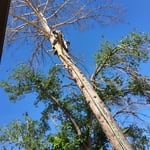
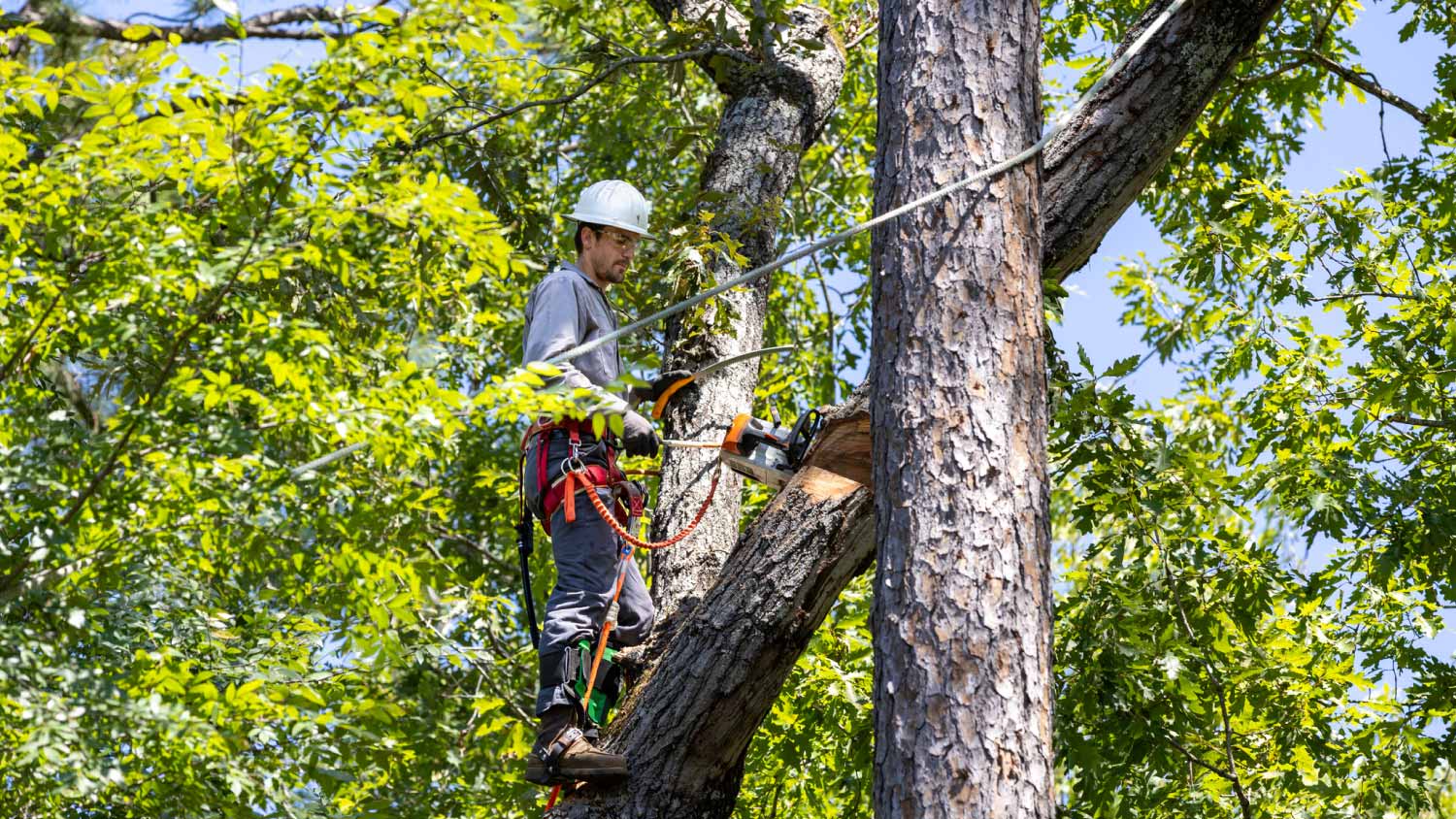
There are several signs that may indicate a tree needs to be cut down. These include visible damage to the trunk or branches, a hollow trunk, extensive storm damage, or a significant lean to one side. Other warning signs are pest infestations or the tree growing too close to a house, power lines, or other structures. It is best to hire a professional arborist to inspect the tree, as they can determine if it can be saved or if removal is necessary.
Many species, especially when well-established, are not fans of transplantation. You’ll need to decide if you want to risk splashing the cash, understanding that transplantation isn’t always successful. Again, this is where hiring a pro is helpful, as they can give you all the essential info you need to ensure your tree stands a fighting chance.
The Santa Clara, NM homeowners’ guide to arboricultural services
From average costs to expert advice, get all the answers you need to get your job done.
How much does an arborist cost? This guide explains the cost of different services, ongoing expenses, and other factors to consider when hiring an arborist.
Weather getting colder? The cheapest time of year for tree removal is right on the horizon. This guide will show you how to plan your project and save.