Top-rated energy efficiency auditors.

Get matched with top energy efficiency auditors in Red River, NM

Enter your zip and get matched with up to 5 pros

Need a pro for your energy efficiency auditing project in Red River, NM?

Select your specific project to find the pro for you.

Find Energy efficiency auditors in Red River

Avatar for ADT Solar
ADT Solar
4.4(
111
)

Serving Red River, NM and surrounding areas

In business since 2008

Free estimates

Warranties offered

"Rep. checked entire system. He found several wires not connected properly and fixed this. He also made recommendations regarding the attachment of the panels to the rood that would provide more stability and leakproofing. The representative appeared to know what he was doing - much better than others, including the representative who was engaged by the roofer (who replaced our rood due to hail damage) to disconnect/connect the panels."
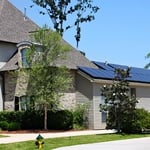
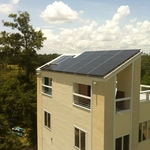
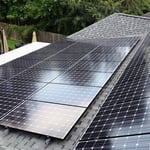
11 kW PV Installation
5 kW PV Installation
9.5 kW PV Installation
Recommended by89%of homeowners

Energy Efficiency Auditing questions, answered by experts

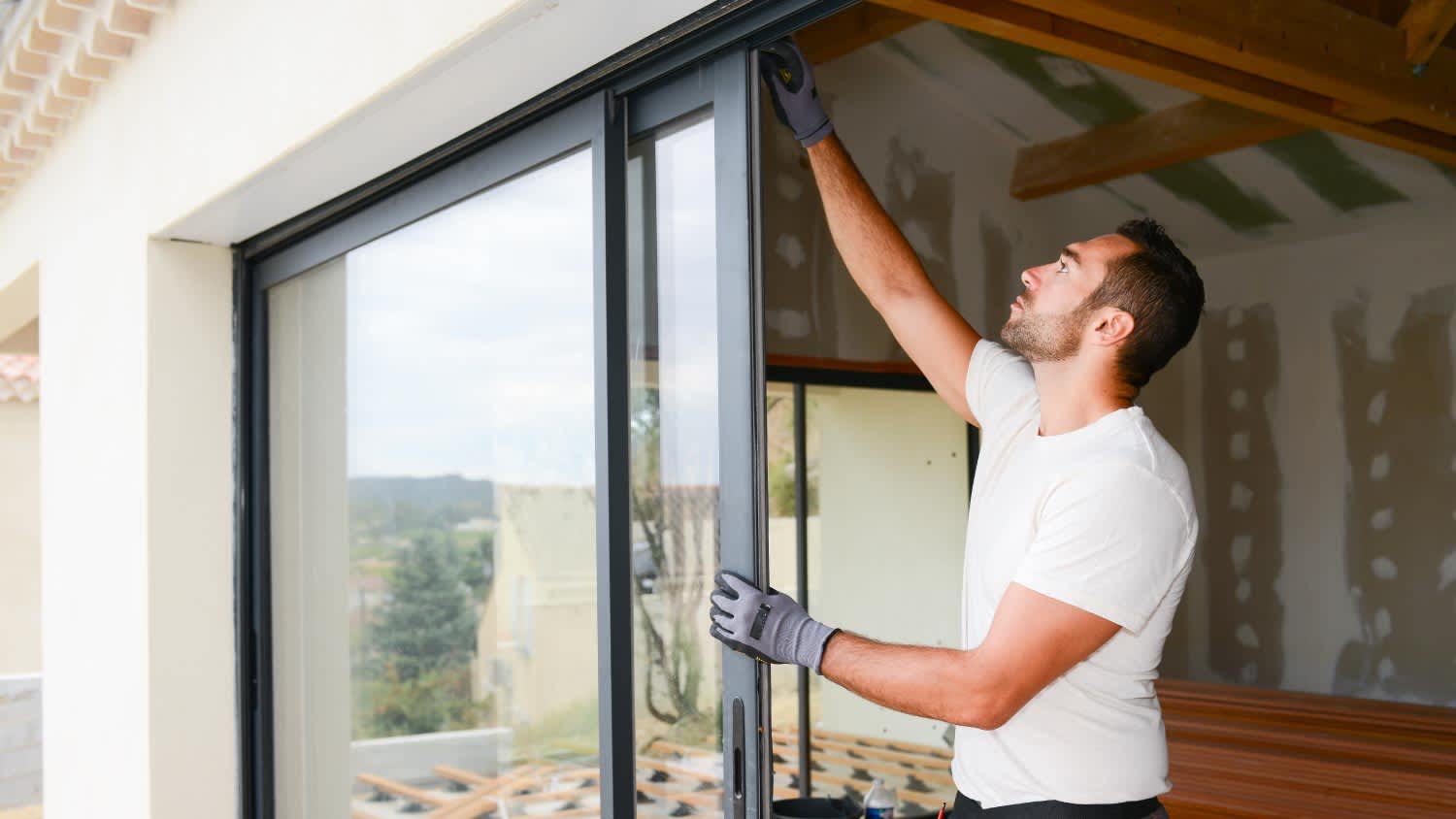
Smart glass doesn’t use a lot of electricity, and you can expect a standard window to add between $1 and $2 per year to your electric bills. Smart glass is proof that energy-efficient windows work. Although your smart windows may consume a little energy to operate, they can save enough energy to offset the costs. If you’re concerned about the minimal bump to your electricity consumption, you can opt for smart tint, which doesn’t require electricity to work.

Window AC units use a fair amount of electricity, but significantly less than central AC systems. Because they are more energy-efficient for cooling individual rooms or small spaces, their usage is comparatively low. On average, a window AC unit consumes between 500 and 1,400 watts, while a central AC system uses over 3,500 watts—meaning a window unit uses about one-third of the energy. This typically translates to a monthly running cost of $15 to $40, although this can vary depending on external factors.

When combined with a substantial solar system, if you have enough Powerwalls, you could go off-grid and be energy independent. But remember, you'd need enough Powerwalls to power your whole home continuously because a single Powerwall can’t power large appliances for extended periods. One Powerwall is able to power an average-sized home's emergency circuits, lights, and outlets. To power large appliances, you likely need two or three Powerwalls.

Fireplaces can theoretically help you save on heating bills if you lower the temperature throughout the rest of your home and heat only a single room that you occupy using the fireplace. However, in most cases, homeowners won’t save any money on heating bills. Gas and electric fireplace inserts could actually lead to a spike in your respective energy bills if you use them frequently, and if you don’t keep up with chimney maintenance and repairs, your traditional masonry fireplace could actually be a source of heat loss in the winter.

Some types of electric fireplaces use more electricity than others. Models that produce 1,500 watts will have more of an effect on your heating bill than 750-watt models. 

Electric fireplaces use an average of $1.85 of electricity every eight hours. These minimal operational costs aren’t likely to make a big difference in your electric bill—unless you’re using it as a primary heating source for your home and it’s running most of the time.

The Red River, NM homeowners’ guide to energy efficiency auditing services

From average costs to expert advice, get all the answers you need to get your job done.

What do you need done? We’ll find top pros.
  • 🌱 "Mow a small front yard"
  • 🛠 "Fix a leaking pipe under the sink"
  • 🏠 "Repair shingles on an asphalt roof"