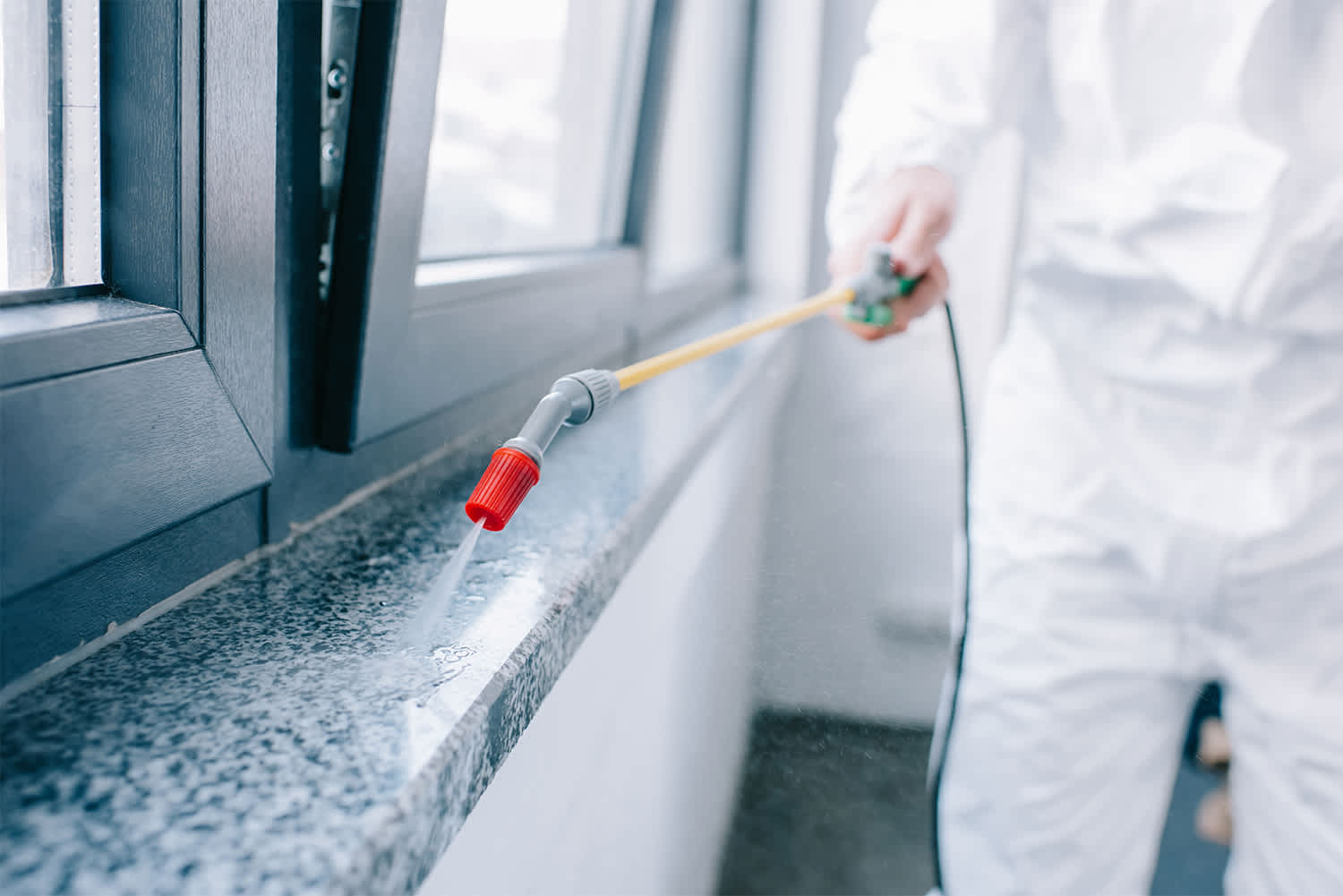
"Very knowledgeable guy who seem to know what he’s doing. Don’t know results of spraying. Have had much rain since. Will have to see if it worked. Terminex will spray again the beginning of next month."
"United Air Temp was able to procure a replacement furnace controller board in a couple of days and Zachary was out within 4 days of the initial visit. The furnace now works very well."
Cold winter months won’t always kill off fleas completely. Your home is typically warm enough for fleas to survive or, at least, for the eggs to lay dormant, ready to hatch when warmer weather arrives. Plus, waiting for the winter isn’t a good idea. The infestation will continue to grow, and fleas carry pathogens that can harm humans and pets.
Gnats may eventually go away on their own, but it depends on the source of their attraction. If the environment that’s attracting them—such as overwatered plants, moist areas, or food debris—isn't addressed, they can persist or even increase in numbers. Reducing moisture, improving drainage, and cleaning up organic matter can help eliminate them. Without these changes, gnats are likely to stick around and continue breeding, making it important to remove their breeding grounds to get rid of them for good.
The best way to ward off roaches is to take preventative measures and stay on top of routine extermination services. Keep them away by cleaning your kitchen free from crumbs, properly storing away food, covering your pet’s food bowl, and reducing moisture in your home to make your house less tempting for roaming cockroaches. Remove clutter—especially cardboard boxes that roaches love to hide in, and replace them with plastic tubs.
Some suggest mothballs as a deterrent for iguanas, but they are ineffective and harmful. Mothballs contain chemicals like naphthalene or paradichlorobenzene, which are toxic to humans and animals, including iguanas. The fumes can cause respiratory problems, skin irritation, and other health issues. Moreover, using mothballs outdoors is not recommended, as they contaminate soil and water sources.
Brown recluse spiders are attracted to homes and properties in search of shelter and food. Key attractants include a steady supply of insects, which are their primary food source. Consequently, things that attract other bugs, like food left out or poorly sealed trash cans, will also indirectly attract spiders. They also seek warm, dry, dark spots with nooks and crannies for nesting, such as untended wood piles, dirt piles, and cardboard boxes. Additionally, excessive outdoor lighting can attract insects, which in turn draws in spiders.
The Lake Arthur, NM homeowners’ guide to pest control services
From average costs to expert advice, get all the answers you need to get your job done.