






Top-rated aquarium service pros.

Get matched with top aquarium service pros in La Puebla, NM

Enter your zip and get matched with up to 5 pros

Need a pro for your aquarium service project in La Puebla, NM?

Select your specific project to find the pro for you.

Find Aquarium service pros in La Puebla

Avatar for Capital Landscape Solutions
Capital Landscape Solutions
4.9(
9
)
Water Feature - Install a Pond

Serving La Puebla, NM and surrounding areas

In business since 2014

Emergency services offered

Credit card accepted

"They were amazing. The job was scheduled within two days then completed within two more. The gentleman who scheduled the work was kind, knowledgeable, and easy to work with. He made great recommendations and was patient with my questions. The workers were respectful, kind , and very hard workers. The final product looks fantastic. I’d definitely hire this crew again!"
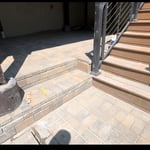
Landscaping - Hardscaping & Pavers Project
Landscaping Project
Landscaping Project
Landscaping - Hardscaping & Pavers Project
Landscaping Project

+21

Recommended by100%of homeowners

Aquarium Services questions, answered by experts

The average cost to pump a septic tank is around $550, though prices can range from $250 to over $1,250. The final cost depends on several factors, including the size of your tank, how full it is, and your geographic location. For example, pumping a small tank might cost between $290 and $530, while a larger 1,750-gallon tank could cost $600 or more. Prices also vary by region; for instance, costs in Minneapolis range from $175 to $275, while in Portland, they can be between $440 and $750. Regular pumping is essential to prevent waste buildup, which can lead to backups and damage to your drain field.

Plumbing leaks, roof failures, poor drainage systems, and severe weather events that lead to flooding or inundation are common causes of water accumulation.

A septic tank always has some amount of liquid in it—which should usually be 8 to 12 inches from the top of the tank. If the liquid level is higher than that or is overflowing the drainage pipe that leads out to the leach field, the tank may be too full and in need of pumping.

You can check your own septic tank, but take precautions. Locate the access lid, usually buried a few inches underground, and remove it carefully. Look for the sludge and scum levels, and if they’re high, that means pumping may be necessary. Check for odors, slow drains, or pooling water around the drain field, which could indicate issues. Never enter the tank, as toxic gases can be fatal. All of that being said, a professional inspection is safer and more thorough.

A septic system's lifespan typically ranges from 15 to 40 years, with a common average of 20 to 30 years. The longevity heavily depends on the tank's material, maintenance diligence, and usage habits. With proper care, lifespans can reach the upper end of this range.

Lifespan by Tank Material:

  • Concrete: 20 to 40 years

  • Plastic or Fiberglass: 30 to 40 years

  • Steel: 15 to 20 years

To maximize your system's lifespan, follow these maintenance best practices:

  • Regular Pumping and Inspections: Have the tank pumped every three to five years and schedule professional inspections regularly.

  • Mindful Usage: Only flush human waste and toilet paper. Avoid putting items like cat litter, paper towels, cigarette butts, fats, grease, oils, or coffee grounds down your drains.

  • Avoid Chemicals: Do not pour harsh chemicals into the system.

  • Water Conservation: Reduce the amount of wastewater your system has to process.

  • Protect the Drain Field: Avoid driving or building heavy structures over the drain field area.

The La Puebla, NM homeowners’ guide to aquarium services

From average costs to expert advice, get all the answers you need to get your job done.