No, it’s not safe to leave a doggy door open. It might be more convenient, especially at night when you just want to lay in bed. However, when you leave it open, it increases the chance of other critters getting in without your knowledge. Also, it leaves your pup unsupervised for hours at a time.
DIY animal removal is rarely a good idea and is not advised for many reasons. First, these types of animals can carry diseases and, therefore, pose a health risk to you, your family, and your pets if mishandled. Second, depending on your city or municipality, it may be illegal to remove or handle wildlife yourself.
Sealing your home against these animals yourself is also a bad idea. Trapping an animal under your house will cause odor and insect problems when it passes away.
Numerous predators kill hornets, including frogs, birds, lizards, bats, spiders, and hedgehogs. Some larger predators, including rats, skunks, and racoons, will occasionally attack a hornet nest in order to eat the larvae inside. These natural predators typically don’t eat enough hornets to make them an effective form of hornet control.
If a foxtail enters your pet’s body and is left untreated, it can cause a serious infection and, in some cases, travel internally to their organs and threaten their life. That’s why it’s essential to check your pet’s fur for signs of foxtails and visit the veterinarian for removal as quickly as possible. If foxtail is treated quickly, they are relatively easy for a professional vet to remove safely.
Attempting to squish a scorpion by hand or foot isn’t a good idea, as many can flatten themselves and survive a simple strike—plus, they’ll be provoked and very likely to sting. Instead, it's best to use a sharp or heavy object to pierce or crush the exoskeleton with force. Always wear protective clothing, including thick gloves, pants, and closed-toe shoes, to avoid being stung. Use long tweezers, scissors, or a knife to pierce the exoskeleton or crush it with a heavy object, making sure to twist or press down firmly to ensure the scorpion is truly dead.
The Jal, NM homeowners’ guide to animal fencing services
From average costs to expert advice, get all the answers you need to get your job done.
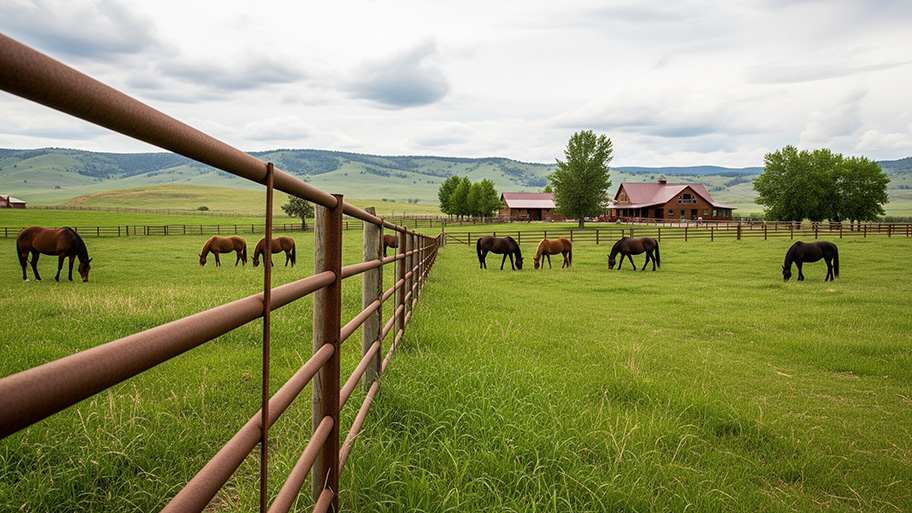
Pipe fencing is an extremely strong, durable option for containing horses and other livestock. This guide breaks down the factors that affect pipe fence cost.