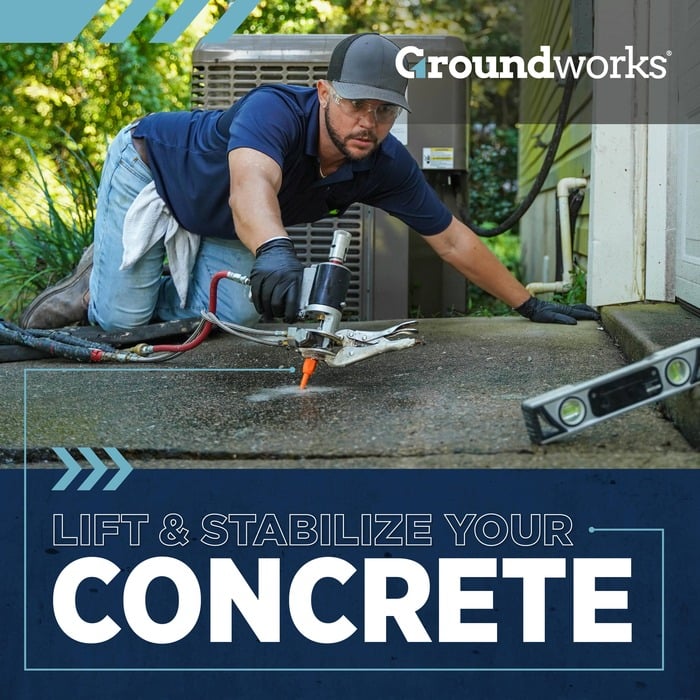
"We are still in the budgeting phase and have not contacted yet however Scott Hughes of Groundwork’s was a great resource. He provided detailed information on the issues and how they would resolve them for us."
"Great. We hired another company based on price only. We got 4 quotes from providers and Top to Bottom was inline, just not the lowest. One other company's quote was more than double Top to Bottom's and the other 2 we got. We've reviewed that company separately for pricing."
We are a locally owned and operated company that values honesty and integrity and treats your home as if it were our own. We have many years of experience to give you confidence that we are your number one choice for your next home project. You will find us to be competitively priced with close attention to the details of each and every project that we are involved with. We look forward to building lasting relationships and guarantee your satisfaction!
\n
\n
Need a reliable commercial or Residential construction crew? \n\nLonestar Developers has you covered. \n\nWe specialize in: \n• Framing \n• Plumbing \n• Electrical \n• Drywall \n• Acoustical Ceilings \n• Mud & Tape \n\nQuality work. Honest service. Built the Texas way. 🤘 \n\n📩 Message us today for quotes or project inquiries.
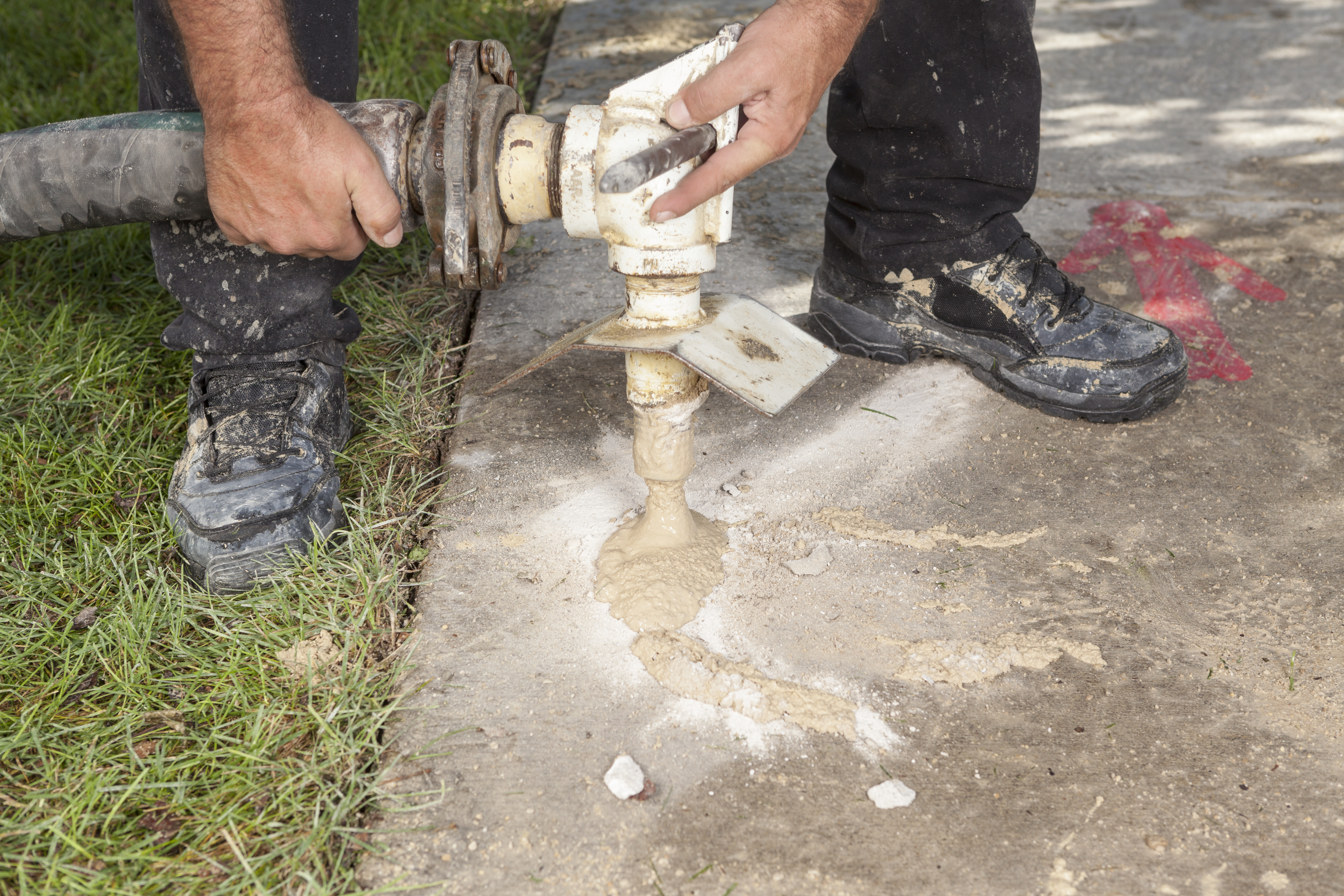
Concrete Mudjacking questions, answered by experts
The average cost for mudjacking is around $1,200, though prices can range from $300 to $3,400. On a per-square-foot basis, you can expect to pay between $3 and $8, with an average of about $5 per square foot. The final cost depends on several factors, including the square footage of the concrete, the type of slab, its accessibility, whether it is load-bearing, and the type of material used to lift it. Generally, lifting a driveway, small patio, or sidewalk is less expensive than lifting a slab foundation or garage floor.
It restores concrete, prevents replacement cost disruptions, reduces trip hazards, and provides stability at a lower cost.
Most projects take 1-3 hours, with immediate usability after completion.
There is no real alternative to underpinning, although mudjacking and polyjacking are other repair methods that can add support from underneath your foundation. Rather than placing supportive piers under your structure, these involve pumping a material under your slab to lift a sunken section back into its original position. Polyjacking, in particular, is sometimes a suitable solution for stabilization issues under slab foundations, but underpinning is often accepted as the best and most permanent solution.
Polyjacking and mudjacking can both be effective solutions for sinking concrete, but they have key differences. Polyjacking, which uses expanding polyurethane foam, is often considered a better option because the foam is significantly lighter than the cementitious material used for mudjacking. This reduced weight puts less pressure on the underlying soil and lowers the risk of future sinking. Polyjacking is suitable for any sinking concrete slab, while mudjacking is typically only recommended for non-structural concrete, such as sidewalks, patios, pool decks, and driveways. The primary drawback of polyjacking is its cost, which can be up to four times higher than mudjacking—as much as $25 per square foot compared to a maximum of about $6 per square foot for mudjacking.
The Jal, NM homeowners’ guide to concrete mudjacking services
From average costs to expert advice, get all the answers you need to get your job done.
DIY mudjacking is an advanced task, but learning how to raise a concrete slab is great to know for many scenarios. Let's take a look at how to DIY mudjack.