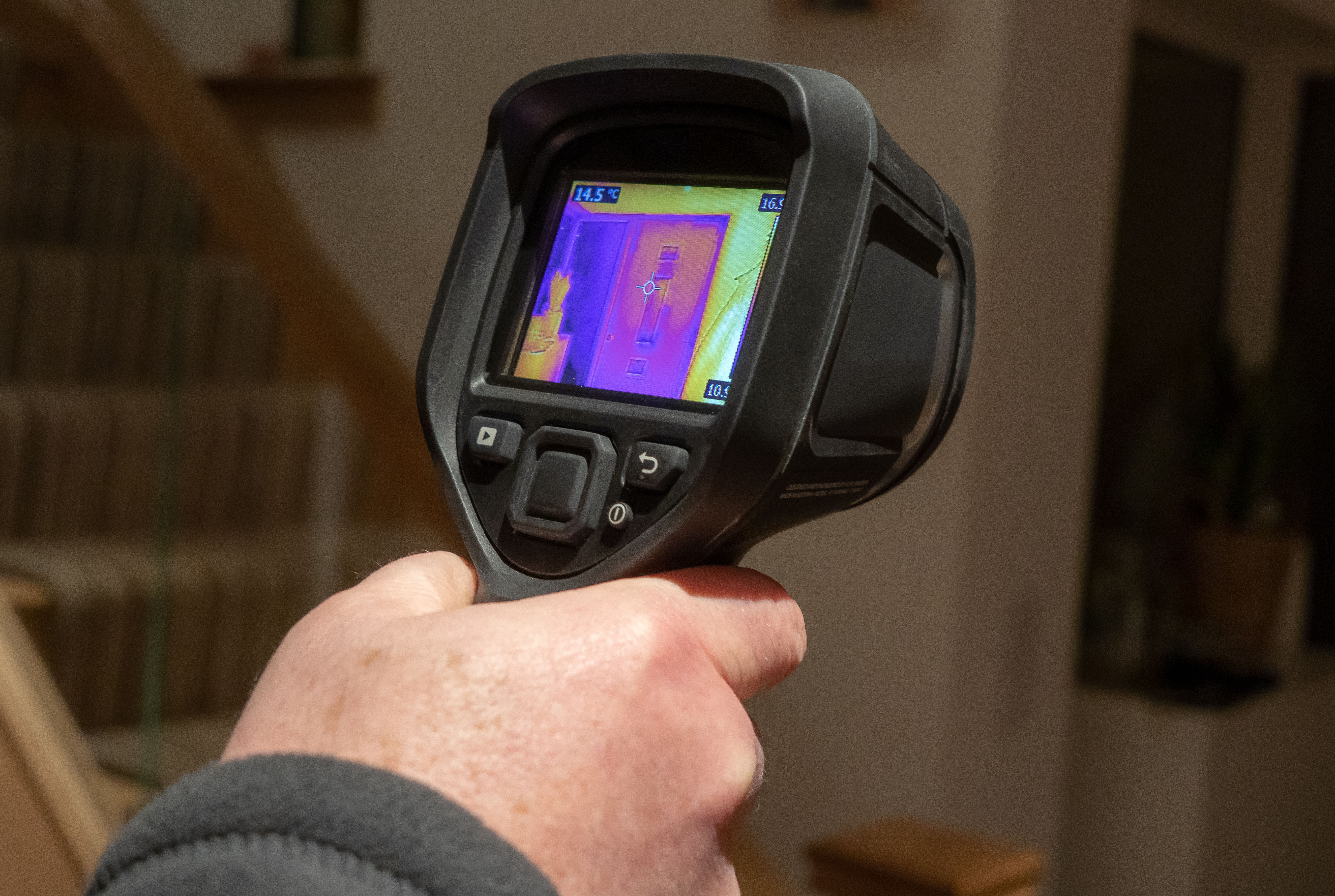
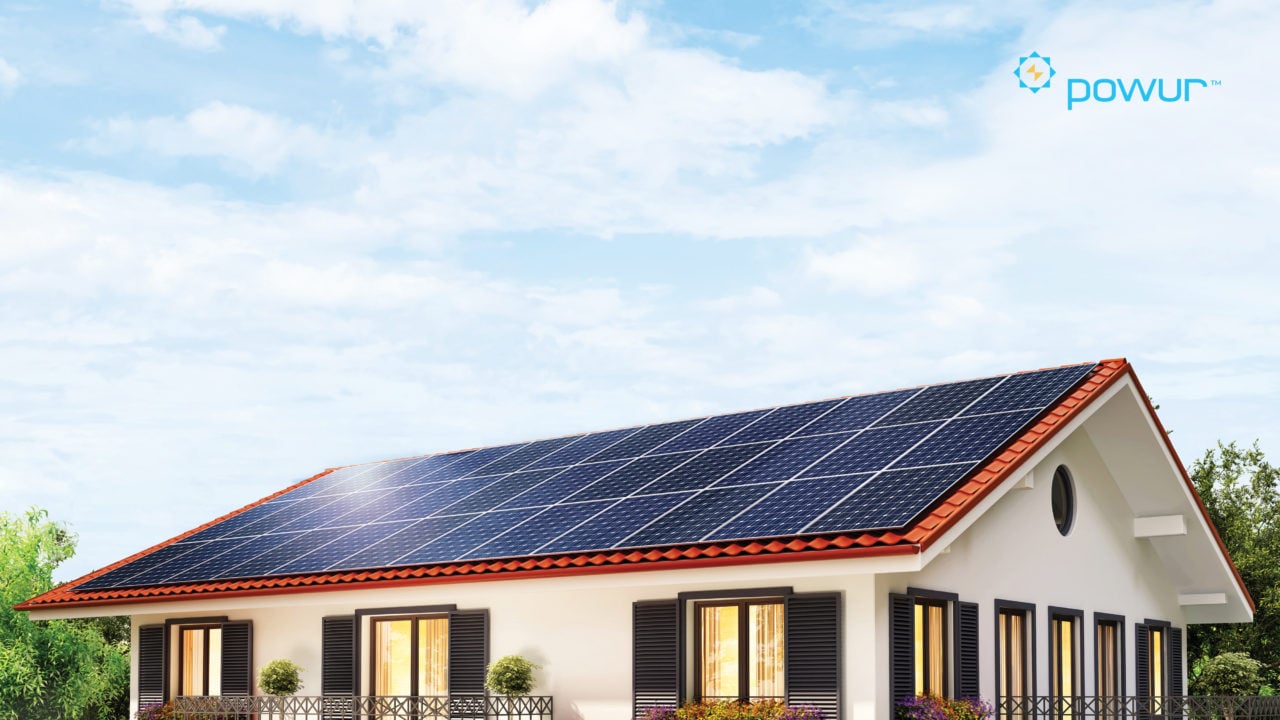
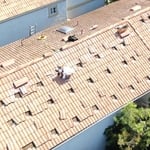
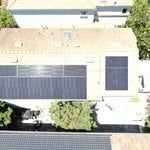
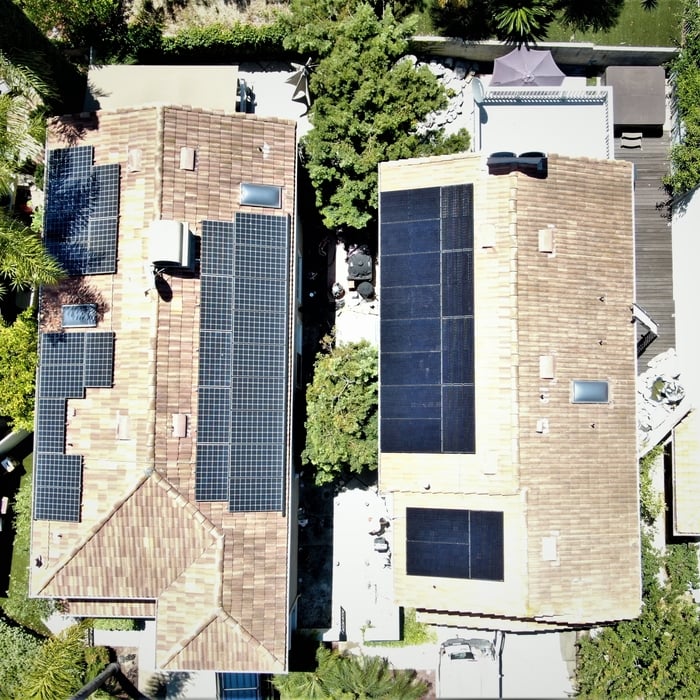
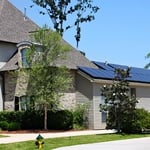
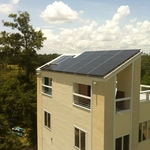
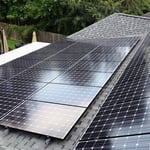
"Rep. checked entire system. He found several wires not connected properly and fixed this. He also made recommendations regarding the attachment of the panels to the rood that would provide more stability and leakproofing. The representative appeared to know what he was doing - much better than others, including the representative who was engaged by the roofer (who replaced our rood due to hail damage) to disconnect/connect the panels."
Energy Efficiency Auditing questions, answered by experts
There are several signs that your house might have poor ventilation, including lingering odors, condensation on your windows, or mold and mildew. Your home may also feel stale and stuffy, or you might have trouble maintaining a comfortable temperature in your home. On top of that, you might develop allergy symptoms, such as sneezing, coughing, or headaches.
Hawaii is currently rated as the most expensive state for utilities. How much are utilities for a house in Hawaii? With electricity costs in Hawaii totaling nearly 42 cents per kilowatt-hour, residents are paying more to run their households than any other residents. Electricity costs in Hawaii are so high, mostly due to the fact that most of the electricity available to residents is produced using oil that must be shipped in from other places.
While many states require all new construction to undergo blower door tests, it’s not a requirement for existing homes. But in both cases, a blower test helps confirm that the contractor has sealed the exterior, that the type of ductwork installed is functioning properly, and that your home is as efficient as possible.
If you have central air conditioning, it’s fine to run your AC all day if that’s what you want—as long as the AC unit is in good condition. But if your AC runs constantly when you don’t want it to, there may be a problem with your system (like the ones we’ve mentioned above). Window AC units and wall air conditioners aren’t as powerful as central AC, so you should only run those kinds of air conditioners for eight to 12 hours at a time.
Smart home upgrades can be worth the money. Several upgrades, including smart thermostats and ceiling fans, can help reduce your energy bills. Others make life more convenient, freeing up your time to do what you love (or get more work done). And some smart home upgrades, such as entertainment systems, simply make life more enjoyable. All are worthy causes.
The Fort Sumner, NM homeowners’ guide to energy efficiency auditing services
From average costs to expert advice, get all the answers you need to get your job done.
Discover the average home energy audit cost, what impacts pricing, and how to save money on your audit. Get transparent, expert-backed cost info for homeowners.
Thinking about scheduling a home energy audit? Learn how to improve energy efficiency, lower your utility bills, and hire the right local pro for the job.