"Not good. We had just replaced an element and they told us it was the wrong one and took the element but we had just put on and was going to bring back the proper one as well as the one that they had taken off they brought back a different one never brought back the new one that they had taken off but I had already replaced and two days later the furnace quit blowing hot air againI was told it would be more than a week before somebody could get out there and I had a newborn baby that was born less than a week earlier.. needless to say we ended up calling another company and the element was not the problem it's just that they were dirty posts on one of the firing pins it took a minute half with steel wool to clean it off and my furnace works works great ever since.
we won't be using them again for our heating needs "

We take great pride in our experience, expertise, quality and customer service that we provide to meet the consumers needs. It is our mission to provide excellent workmanship and complete customer satisfaction from start to completion of a project. In order to understand the needs and expectations of our customers, we take great care to work and communicate with every customer in a professional manner. Our reputation is based on service, safety and quality, regardless of how large or small the job.
If used correctly and sparingly, root killer shouldn’t damage your pipes. Make sure to follow the instructions on the back of the bottle or the company’s website to avoid any unintended damages. However, when it comes to copper sulfate, it’s better to avoid it. This type of root killer can damage your plumbing and the surrounding environment.
You could be smelling sewer gas in your kitchen because of a dry P-trap, clogged vent pipe, or leaking plumbing seals. If you smell a rotten egg odor, check your sink’s P-trap and plumbing connections first. A clogged or damaged vent pipe can trap sewer gas and push it back into your kitchen through the plumbing pipes. Loose or deteriorated seals around drainpipes can also allow sewer gas to leak out. If you can’t find the source, call a local plumber for expert help.
A sewer cleanout typically looks like a white or gray PVC pipe with a removable cap. It's often located either in your yard or basement, depending on your home's plumbing configuration. The cleanout pipe is designed to provide easy access to your sewer system for maintenance and inspections. It may be flush with the ground or slightly elevated, making it distinguishable from other pipes. When you remove the cap, you can access the sewer line directly or determine its direction, which can be helpful when you need to locate your sewer line from your house to the street.
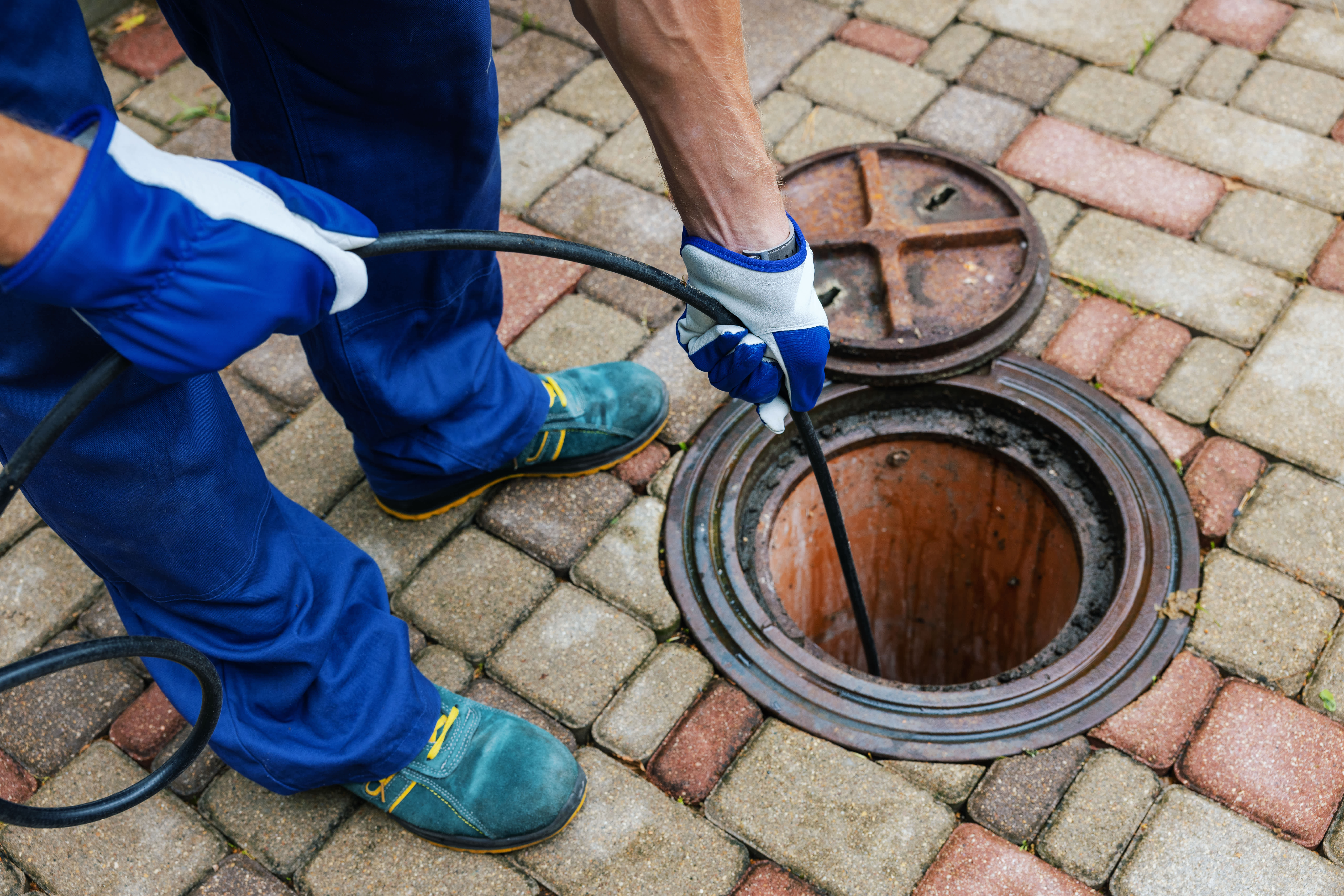
Unlike regular cleanings, snaking your sewer line should be done as needed. There’s no reason to snake your sewer line if you don’t have any noticeable issues, like slow drainage or plugged drains. You can add it to your regular sewer cleaning checklist as a prevention method (on the same 18- to 22-month schedule), but it’s not always necessary.
Yes, many services include camera inspections to identify the cause of the blockage. Confirm with your provider.
The Columbus, NM homeowners’ guide to sewer cleaning services
From average costs to expert advice, get all the answers you need to get your job done.
A clogged main sewer line can lead to gas or wastewater leaks. Find out what main sewer line clog repair costs by type of service, clog severity, and more.
The best way to keep your sewer line running smoothly is with some regular maintenance. But don’t worry—it doesn’t take much effort. Read on to learn how.