




Top-rated gutter cleaning pros.

Get matched with top gutter cleaning pros in Alamogordo, NM

Enter your zip and get matched with up to 5 pros

Need a pro for your gutter cleaning project in Alamogordo, NM?

Select your specific project to find the pro for you.
Gutter Cleaning questions, answered by experts

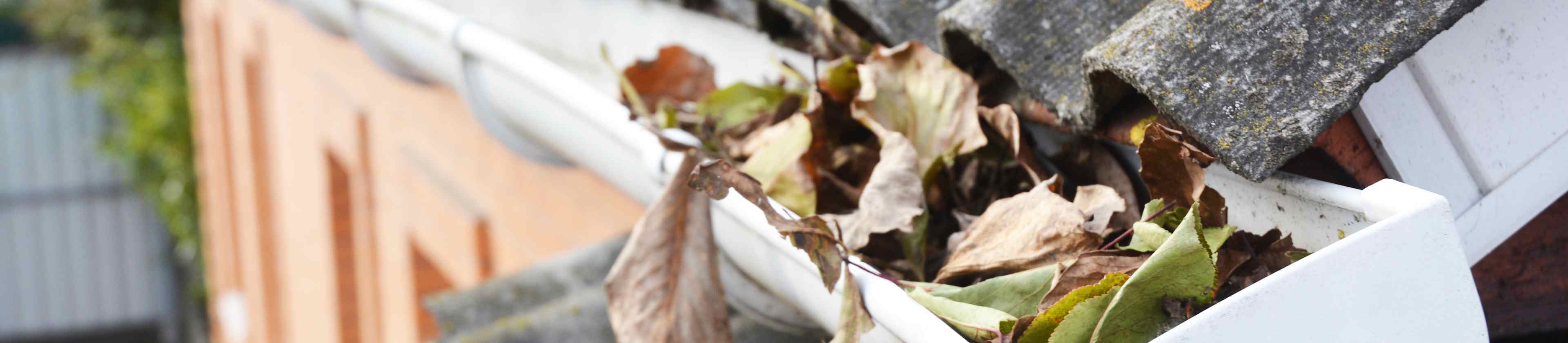
It’s recommended that you clean your gutters after a severe storm, however, regular storms don’t raise the same concerns. Look for signs your gutter might need cleaning after a harsh storm. Do you see broken branches and excessive leaves all over your yard? Chances are your gutters caught quite some debris. Also, ensure a few drying days before cleaning your gutters. Dry debris is much easier to clean.

Yes, there are several downsides to installing rain chains. For one, rain chains have a lower flow capacity than a typical gutter and downspout system. This means that if there is a rainstorm, the rain chain can stop working completely. Rain chains also cannot redirect rainwater away from your house. In homes with a sloped yard, this could cause water damage in your foundation or basement. 

Clean regularly to prevent clogs, check for cracks, and ensure downspouts direct water away from the foundation.

Gutters should be cleaned at least twice a year, in the spring and in the fall, to remove the debris from trees that can clog the eavestroughs and downspouts. Debris like leaves, twigs, and seed pods can build up and cause your gutters to overflow, potentially causing damage to your roof and foundation. Water backing up under the shingles can rot the edge of your roofline. Overflow water falling next to your foundation can end up leaking into your basement or crawl space.

Shingle granules can be cleaned out of gutters using a small scoop or a hose, depending on the quantity of granules and how much other debris is in your gutters. First, clear your gutters of leaves and other debris. This may remove granules in the gutters if they are mixed in with the debris. Use a plastic scoop to remove larger quantities of granules or a hose with a high-powered nozzle for smaller amounts, and collect and dispose of the granules once they’ve been removed.