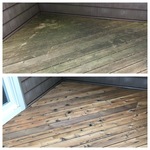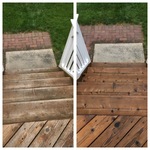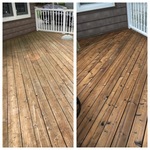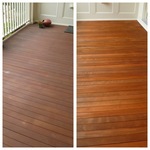








Top-rated deck cleaning pros.

Get matched with top deck cleaning pros in Wantage, NJ

Enter your zip and get matched with up to 5 pros

Need a pro for your deck cleaning project in Wantage, NJ?

Select your specific project to find the pro for you.

TRUSTED BY WANTAGE, NJ HOMEOWNERS

  • Average homeowner rating star icon4.6
    Average homeowner rating
  • Verified reviews icon62
    Verified deck cleaning services reviews

Find Deck cleaning pros in Wantage

Avatar for Zevaq Cleaning Service
Zevaq Cleaning Service
5.0(
6
)
Deck, Fence, Patio or Porch - Clean and SealDeck, Fence, Patio or Porch - Clean and Seal - For Business

Serving Wantage, NJ and surrounding areas

In business since 2015

Free estimates

Emergency services offered

"Derek was willing to come out to my house during a tropical downpour to clean out my gutters and downspout. He was prompt, and professional. Derek took videos and photos to show me the rain gushing over my gutter and out of the elbow of my down spout. He also showed me photos of the gutter and downspout after he cleaned them out. I would definitely hire him again"
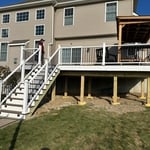
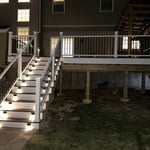
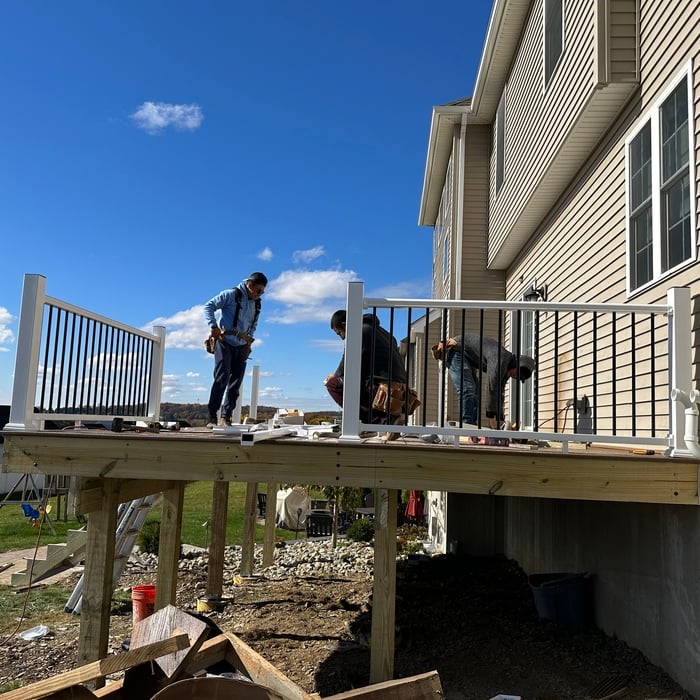
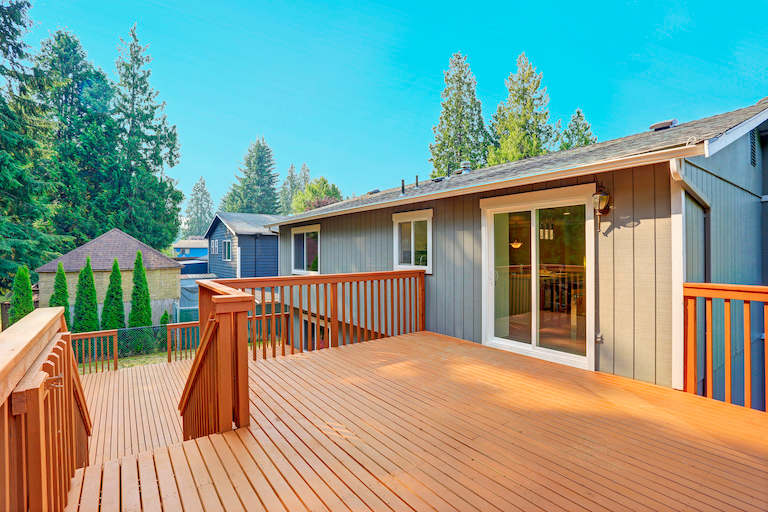
Additional Photos
Additional Photos
Additional Photos
Additional Photos
Additional Photos

+57

Recommended by83%of homeowners

...
Showing 1-10 of 110
Deck Cleaning questions, answered by experts

Most building codes require that spindles or balusters on deck and stair railings be spaced no more than four inches apart. This safety standard, often called the '4-inch sphere rule,' is designed to prevent small children or pets from slipping through the railing. A good way to visualize this is that a 4-inch sphere should not be able to pass between two spindles. For the same safety reason, the space between the bottom rail and the deck floor should also be no more than four inches. As a general guideline, professionals often install three balusters per foot of railing. However, since specific requirements can vary by location, it is crucial to check your local building codes to ensure compliance before starting your project.

PVC decking can get slippery when wet because it’s made from plastic. However, composite and wood decking can also be slippery when wet. It’s best to wear shoes with grippy soles when walking on a wet deck, no matter the material, and to be extra cautious not to slip and fall down.

PVC decking tends to be cooler than composite because the material is less dense and absorbs less heat. However, it depends on the deck’s color. A dark-colored PVC deck may run hotter than a light-colored composite deck. If you’re concerned about your deck getting too hot, it’s best to stick to a light color such as beige or gray.

In most cases, your deck will need some form of deck footing to hold it in place, preventing moisture from rotting your wood and decreasing your deck’s lifespan. Concrete deck blocks are the most common type of footing for floating decks. Some homeowners use ground-level deck footings. For added security, consider digging and laying your ground-level footings below ground.

In most cases, there should be a small gap between the house and the deck, usually no more than ½ to ¾ of an inch. This space allows water and moisture to flow through instead of pooling against the side of your house. It also lets flashing protect your siding from runoff, which is one of the most common issues with decks.

The Wantage, NJ homeowners’ guide to deck cleaning services

From average costs to expert advice, get all the answers you need to get your job done.