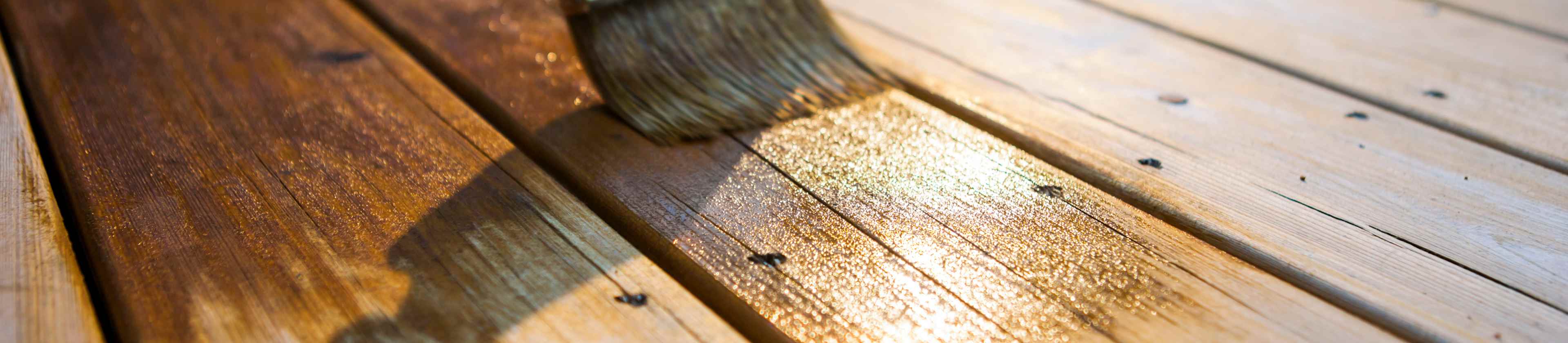
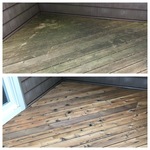
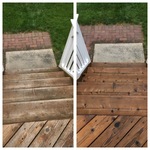
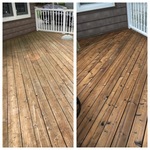
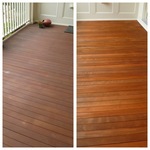
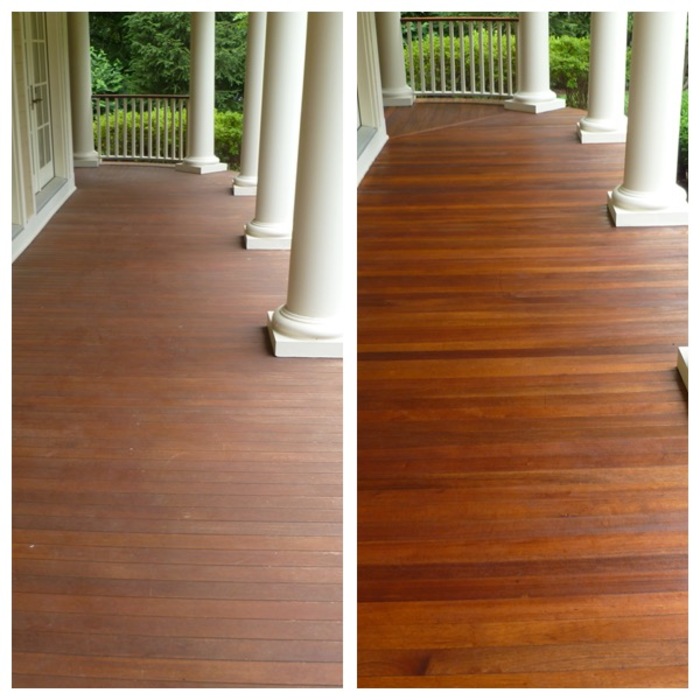
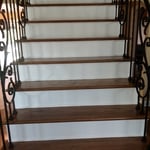
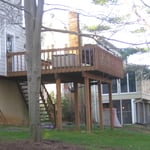
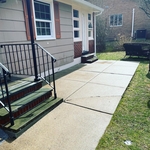
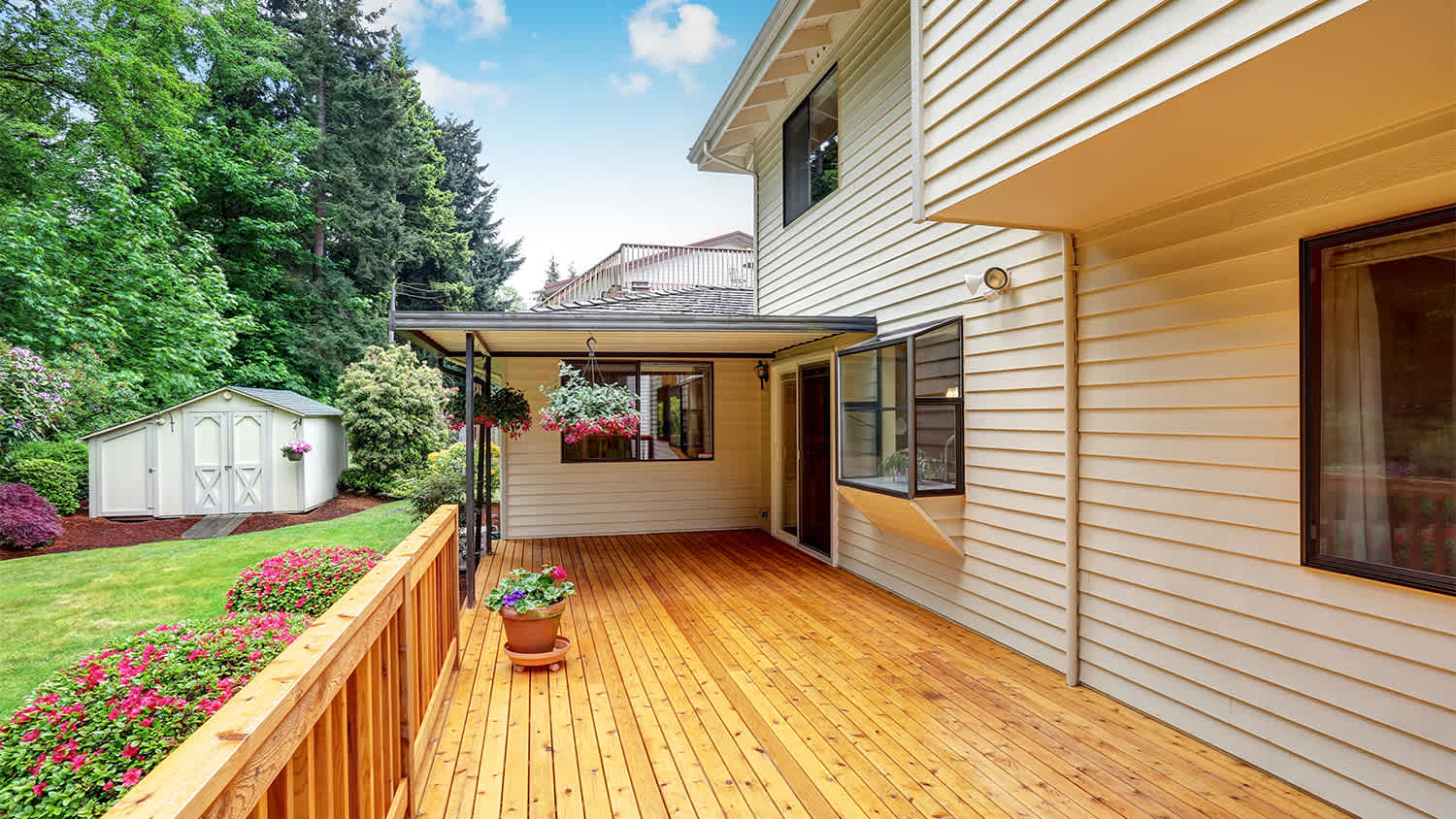
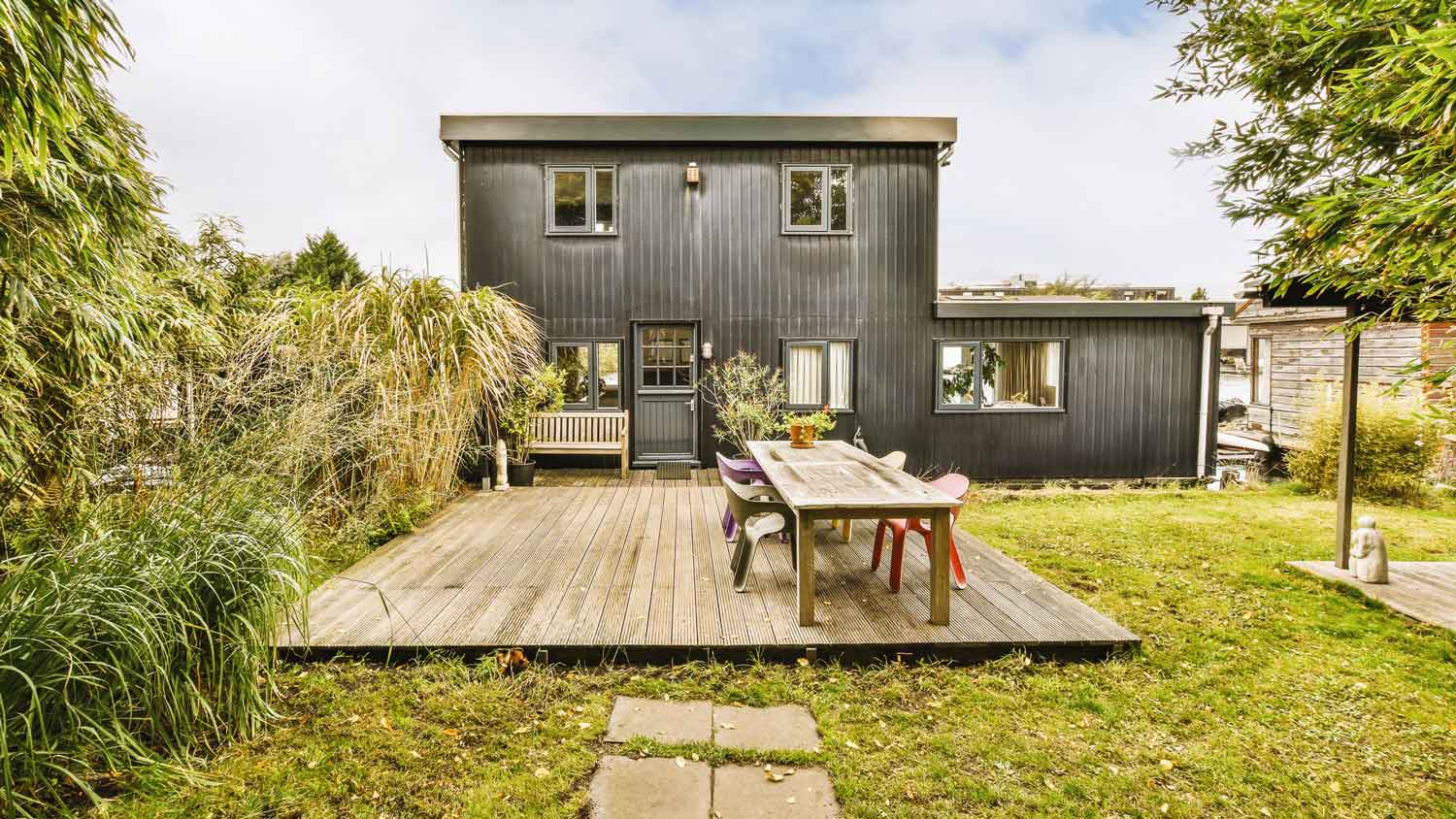
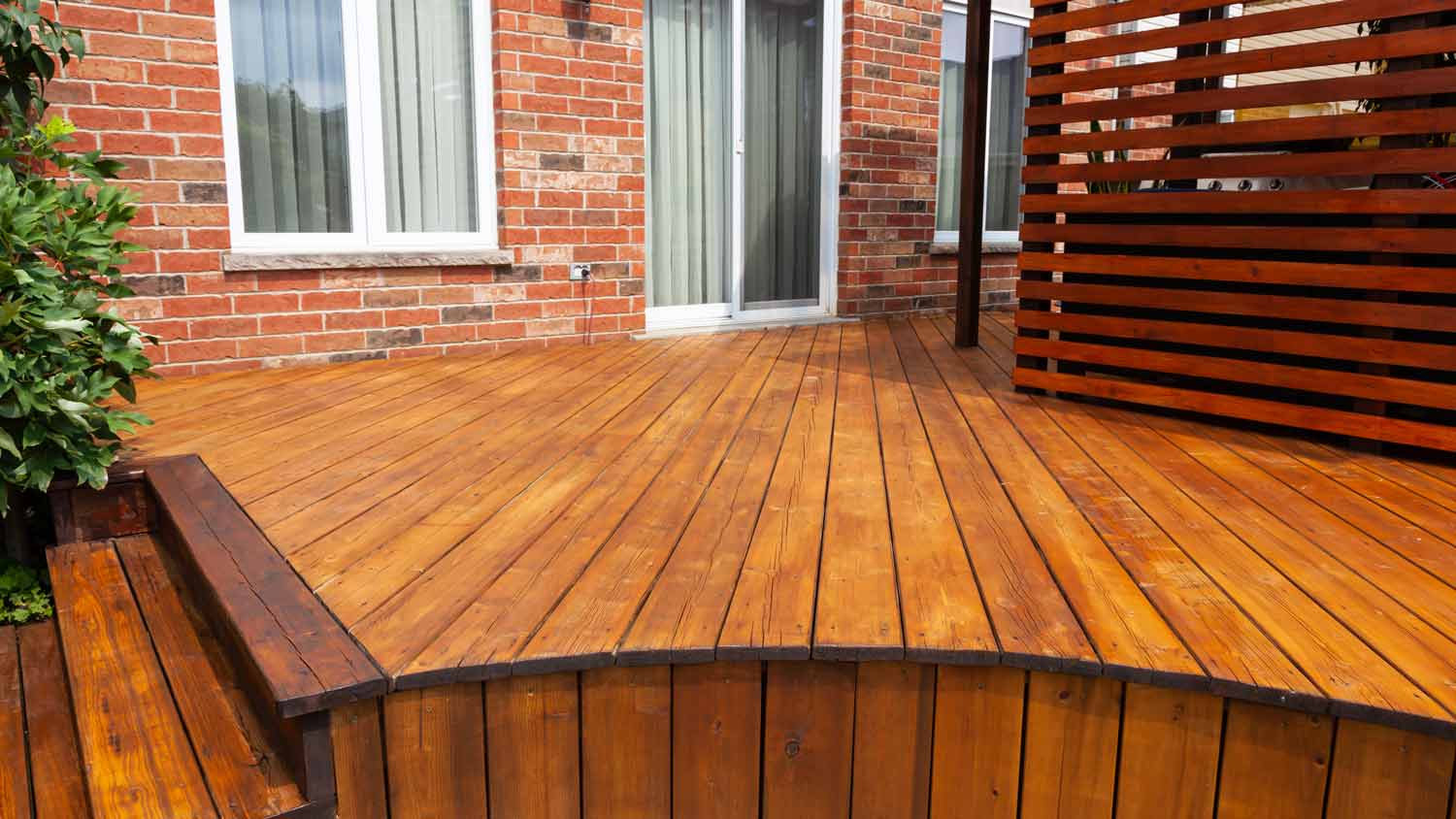
"This is a highly professional company. They replaced boards that were needed on my deck. They also stained the deck. It looks fabulous! I highly recommend them!"
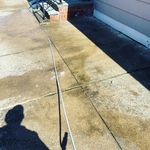
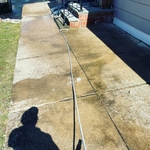
"Fast, professional and most importantly from my experience with contractors they did an AWESOME job with clean up ) left the house/yard just as clean as it was prior to arrival. Would recommend!"
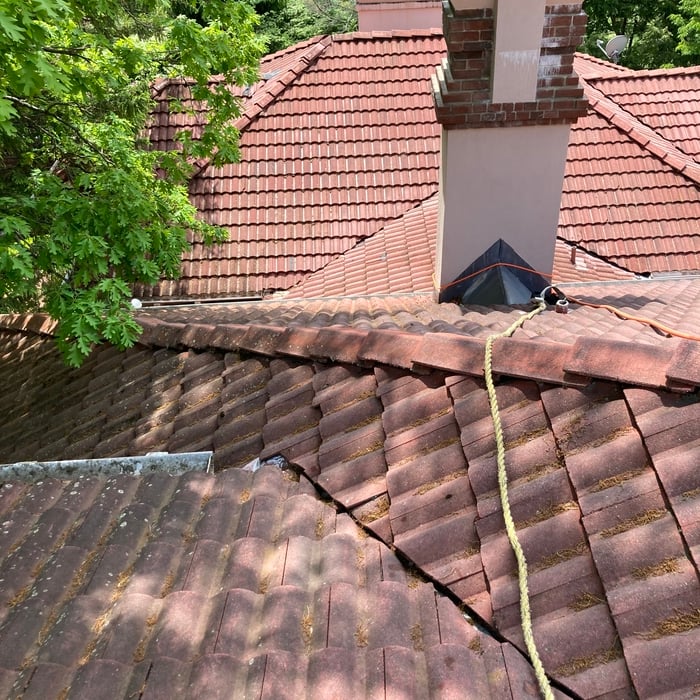
"We have had Cesar for many projects over the last 10 years. Bathrooms, bedrooms , roof, deck, shingle replacement, interior and exterior painting. I wouldn't use anyone else for my major and minor home repair."
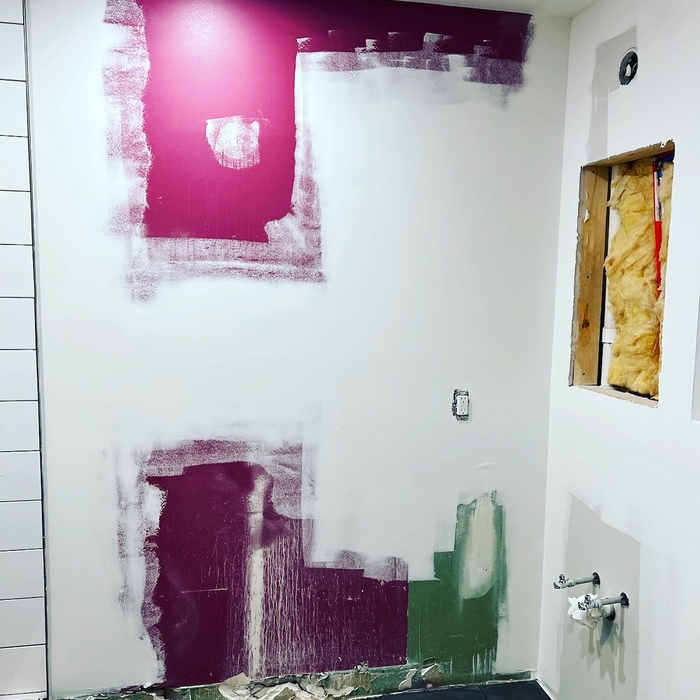
"The work was excellent. You can't tell the difference of the old wall (1939). I would highly recommend them for work. Was done fast. Left the area clean. Was very impressed. Will definitely be using them again!"
"Amazing job. Gave the quote. Had the job done in 1 day, cleaned up and were very professional. Great experience overall! Plan on using them for a lot more!"
"Very efficient, friendly, courteous. Cleaned up after job. Beautiful work. Texted and called to follow up and to confirm time lines. ⭐️"
We take great pride in our experience, expertise, quality, and customer service that we provide to meet the consumers needs. It is our mission to provide excellent workmanship and complete customer satisfaction from start to completion of a project. In order to understand the needs and expectations of our customers, we take great care to work and communicate with every customer in a professional manner. Our reputation is based on service, safety, and quality, regardless of how large or small the job.\n
Both composite and PVC decking are excellent alternatives to wood. However, while composite is moderately priced and lasts around 30 years, PVC costs more and lasts longer. PVC is also more durable, though both materials are more durable than wood decking. Ultimately, the choice between composite and PVC decking will come down to your budget and preferences.
Composite decking might cost more upfront, but it delivers value in terms of durability. Unlike wood, composite material resists common deck problems such as rotting, fading, warping, and all the other things you don’t want a deck to do. The extra processes lead to a higher price tag, but you’ll save big in maintenance costs down the road.
A random orbital sander is best for sanding a deck because it is easier to handle than other power sanders and is less likely to damage the wood. Most decks are made of types of softwood, so a gentler sanding process is essential to prevent permanent blemishes. For example, belt sanders can gouge softwoods.
Yes, you can draw your own deck plans in many cases. However, you must know your local building codes and be familiar with carpentry principles. Even then, it's always best to run your plans by a professional contractor with experience building decks, whether you choose to DIY some of the build or not.
For a 12x20-foot (240-square-foot) deck, you can expect to pay between $7,200 and $14,400. This cost is based on a general price of $30 to $60 per square foot. The final price will depend on factors such as the decking material, design complexity, deck type, location, and local labor costs. Keep in mind that add-ons will increase the total; for example, adding an under-deck drainage system to a deck of this size could cost an additional $7,700.
The Springfield, NJ homeowners’ guide to deck cleaning services
From average costs to expert advice, get all the answers you need to get your job done.
Thinking about adding a deck to your home? Explore this guide to learn about the average cost to build a deck in New York, NY, based on factors like size, material, and labor.
The cost to hire a house cleaner in New York, NY depends on the size of your house, your schedule, and who you hire. Use this guide to understand typical house cleaning prices better.
Learn how to clean a deck before staining to ensure long-lasting adhesion, weatherproofing, and optimum appearance of this coloring and protecting treatment.
Knowing how to clean and seal a deck can help extend its life and keep it looking like new. This DIY guide sheds light on the best way to clean a wood deck.