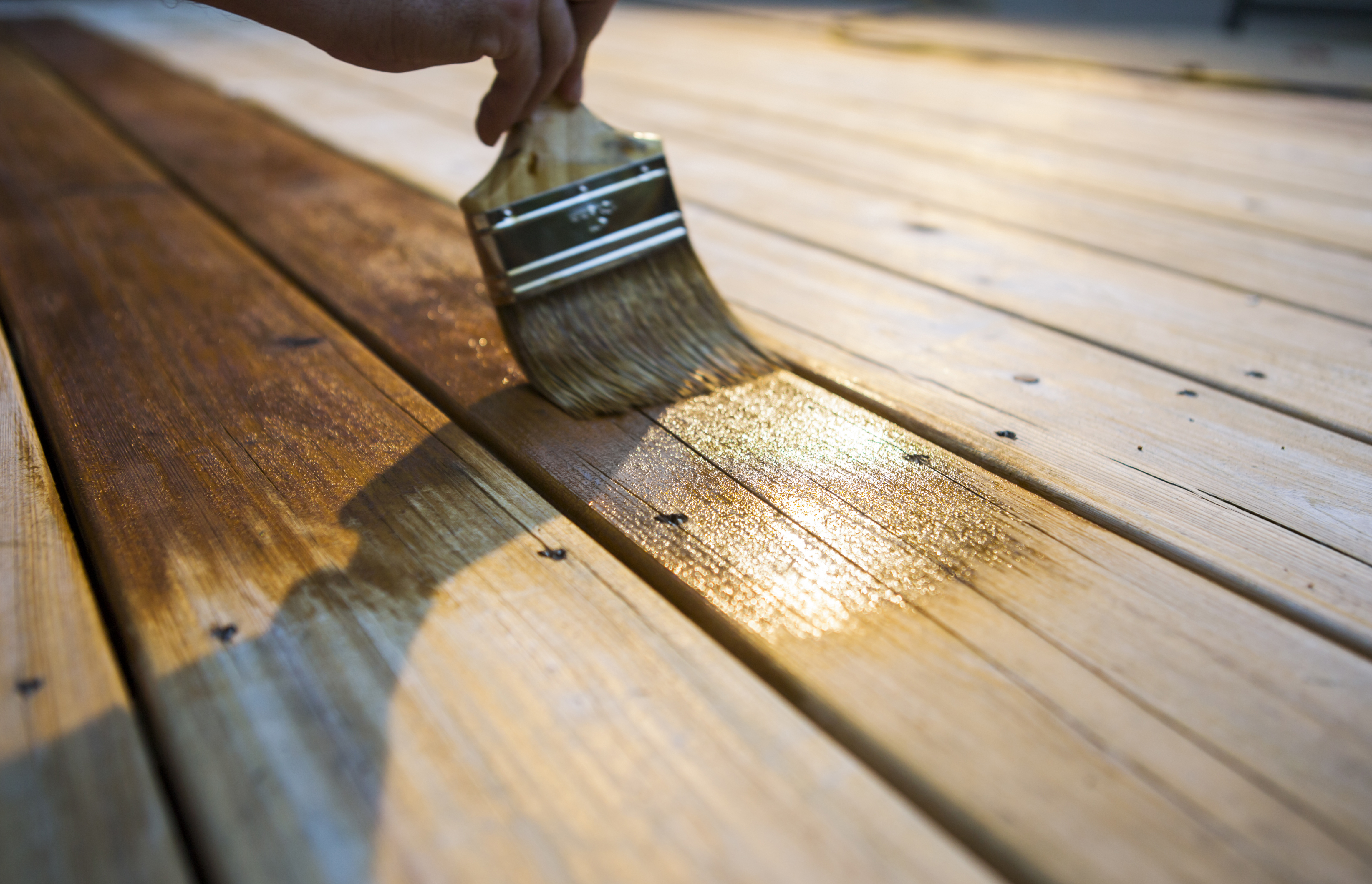
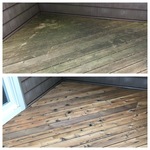
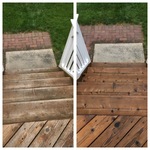
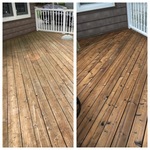
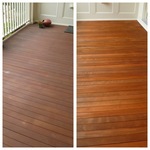
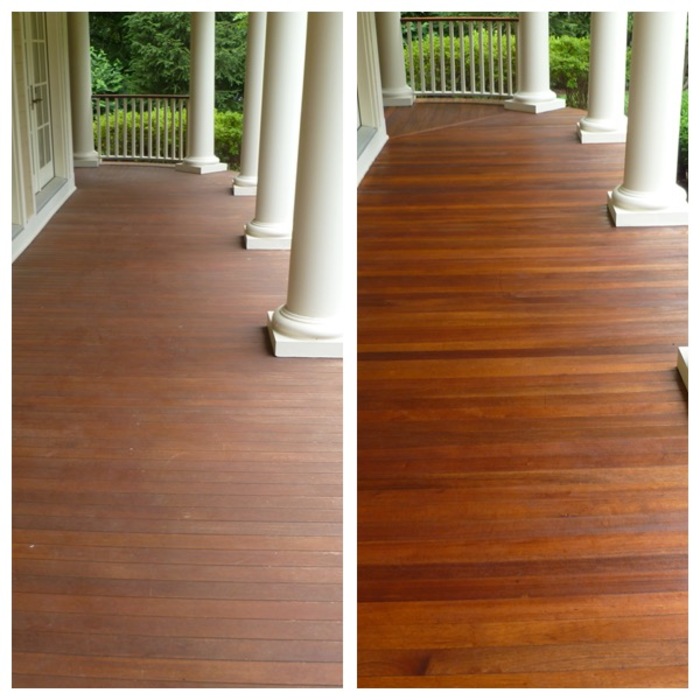
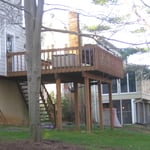
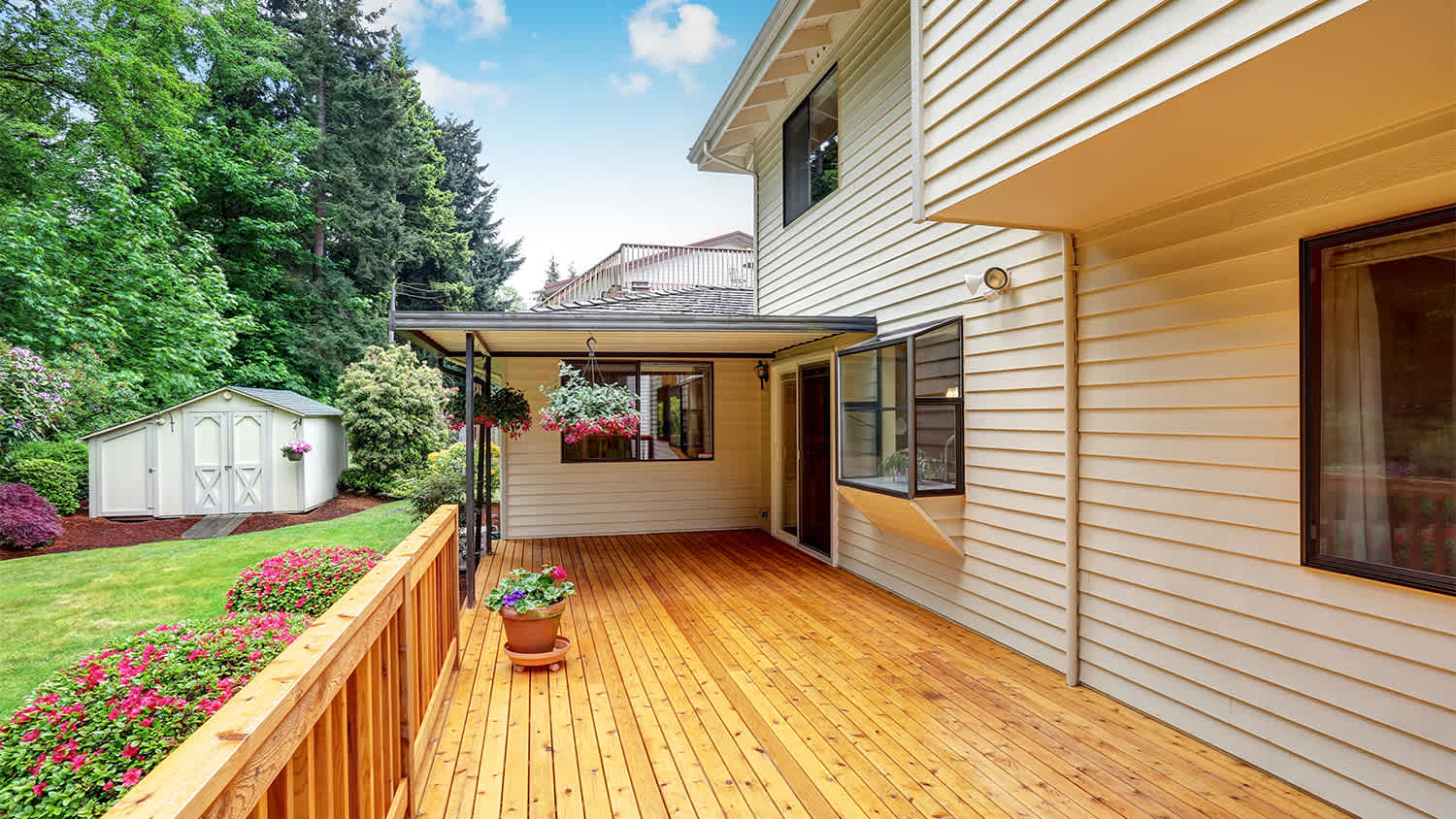
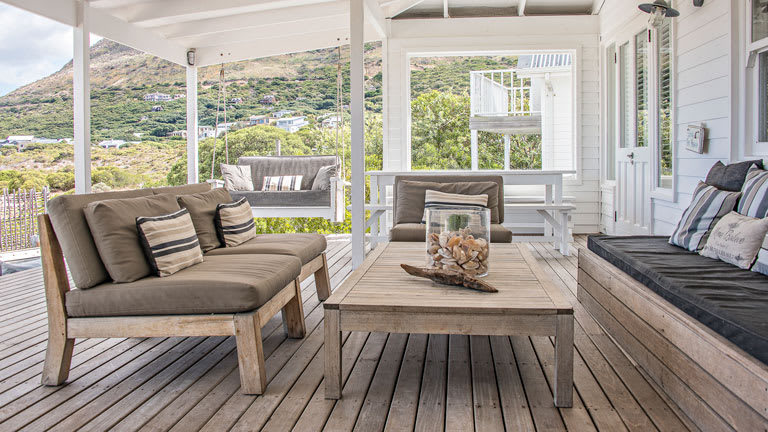
"I can't say enough good things about this company. Robert and Tim went above and beyond for me. I had my large deck power washed and stained. the first time with professionals. they came on time and completed the job in the specified time. I will certainly use this company again, and recommend them to others."
"This is a highly professional company. They replaced boards that were needed on my deck. They also stained the deck. It looks fabulous! I highly recommend them!"
"Fast, professional and most importantly from my experience with contractors they did an AWESOME job with clean up ) left the house/yard just as clean as it was prior to arrival. Would recommend!"
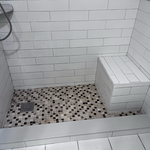
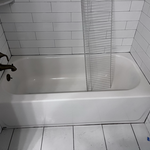
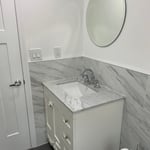
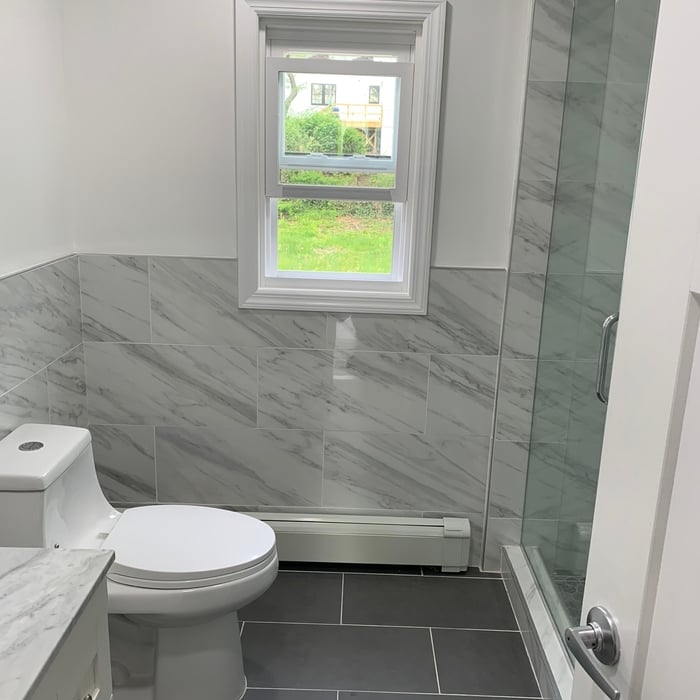
"Cesar and his crew just finished a remodel of my master bathroom. This is the second major project completed in my home by CSZ (prior kitchen remodel) and once again they exceeded my expectations. Cesar worked with me along the way to come up with the perfect design to ensure all my requirements were met. He is knowledgeable and his attention to detail is second to none. The CSZ crew, Armondo and Benjamin were also a pleasure to work with. They are knowledgeable, trustworthy, and hardworking. They also did an exceptional job cleaning up at the end of each work day. My dog even loves them! I highly recommend CSZ Construction. They will most certainly be back for future projects in my home!"
"Greivin and his assistant were on time, did a great job, and cleaned up nicely afterwards. They even did switched out a light fixture - something I didn't expect. I've already given his contact info to a friend. I would hire him again...and probably will."
"Amazing job. Gave the quote. Had the job done in 1 day, cleaned up and were very professional. Great experience overall! Plan on using them for a lot more!"
The best base materials for a ground-level or floating deck are typically gravel and crushed stone (also known as landscaping rocks). These options are inexpensive, provide excellent drainage, prevent weeds, and help minimize moisture buildup, which reduces shifting and rotting. For added stability and to evenly distribute the weight, you can use concrete deck blocks or pavers. While more expensive, concrete blocks and pavers offer a sturdier base than gravel or crushed stone alone.
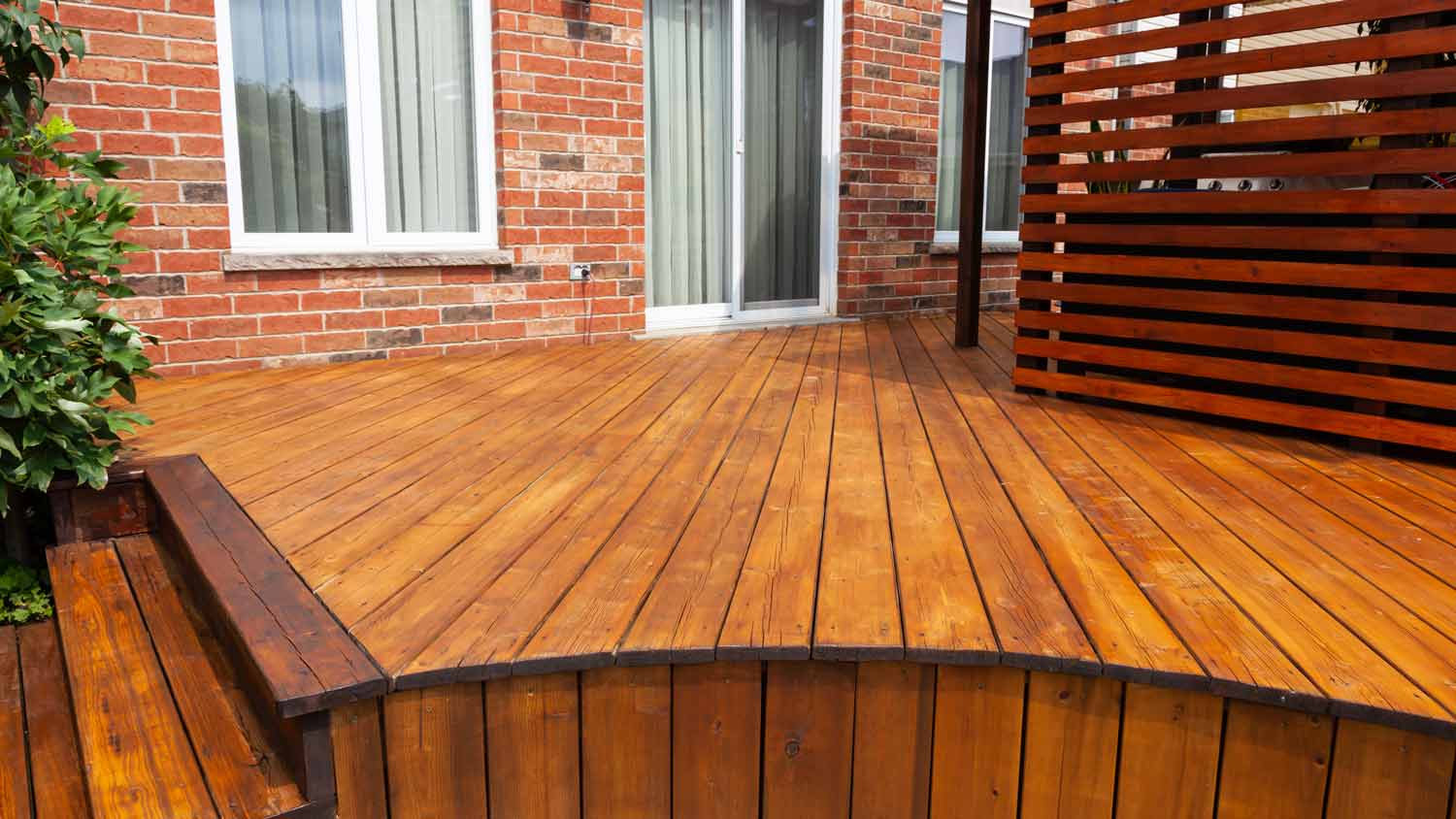
Your deck may look or feel fuzzy after pressure washing because the high-pressure spray tears some wood fibers as it removes the outer layer of dead and discolored wood. This fuzzy effect is a normal part of the pressure-washing process and will go away on its own in a few weeks. You can opt to spot-sand your deck if you’d like to remove it more quickly.
While experienced DIYers may take on the challenge, hiring a licensed professional is often the best route, especially for larger or elevated structures. A local deck contractor is typically the best pro for the job, as they have specialized experience and are knowledgeable about local building codes, ensuring your deck is built safely and designed to last. Other professionals who can build a deck include general contractors and carpenters, who may be more readily available in some regions.
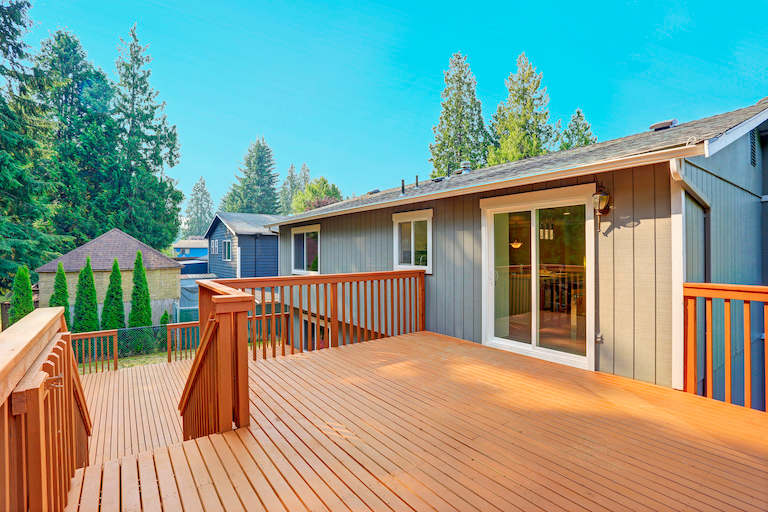
Building codes for deck railings can vary by location, so it's important to consult your local regulations before construction. Generally, a guardrail is required for any deck that is more than 30 inches above the ground.
For residential properties, the standard minimum height for a deck railing is 36 inches. However, some states and municipalities have stricter requirements; for example, California and Washington mandate railings that are at least 42 inches high. Therefore, a 42-inch railing is not considered too high and may be required in your area or chosen voluntarily for additional safety.
In addition to height requirements, codes also specify other safety features, such as the maximum spacing between balusters to ensure they are close enough to prevent a child from squeezing through.
Composite decking boards aren't your only options for building a deck. There are several other types of materials for decks, including wood and aluminum decking. Wood decking comes in many different wood species, offering natural beauty and classy timelessness to your yard. Aluminum is a lightweight, water-resistant, and low-maintenance material that is also non-slip.
The Cranford, NJ homeowners’ guide to deck cleaning services
From average costs to expert advice, get all the answers you need to get your job done.
Thinking about adding a deck to your home? Explore this guide to learn about the average cost to build a deck in New York, NY, based on factors like size, material, and labor.
Refinishing your deck is a great way to restore its appearance and fall in love with your outdoor space. Use this guide to learn how much it costs based on factors like size and type.
Learn how to clean a deck before staining to ensure long-lasting adhesion, weatherproofing, and optimum appearance of this coloring and protecting treatment.
Deck maintenance is vital to protecting a wooden deck. Cleaning, staining and sealing a deck after pressure washing will add years to its lifespan. Protect a deck by following these deck maintenance tips for cedar and other types of wood materials.