Top-rated electricians.

Best electricians near Spotswood, NJ

Enter your zip and get matched with up to 5 pros

TRUSTED BY SPOTSWOOD, NJ HOMEOWNERS

  • Average homeowner rating star icon4.7
    Average homeowner rating
  • Verified reviews icon1.9k+
    Verified electrical services reviews

Top-Rated Electricians in Spotswood - Updated Nov 2026

Almeida Electric
4.8(
127
)
Electrical Switches, Outlets & Fixtures - Install or RepairCeiling Fan - InstallElectrical Wiring or Panel Upgrade+1 more

Serving Spotswood, NJ and surrounding areas

Approved

In business since 2010

Free estimates

Warranties offered

"They were incredibly prompt and professional. The work was completed, they cleaned up after themselves and worked diligently to return everything to the way it was prior to their arrival. Top notch."
 Ceiling fan installation
 Electrical Box Upgrade
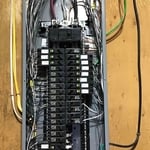
Replacement of old unsafe panel with new panel
 Installation of light fixture in foyer
 Installation of hallway light fixture

+7

Response time7 hrs
1 neighbors recently requested a quote
Recommended by100%of homeowners

Franzo Electric and Construction, LLC
5.0(
14
)
Electric Vehicle Charging Station Installation - Materials Not ProvidedElectric Vehicle Charging Station Installation - Materials Provided by Consumer

Serving Spotswood, NJ and surrounding areas

Approved

In business since 2019

Free estimates

Customers say: Quick response

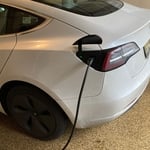
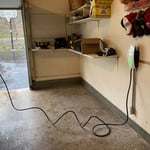
"This was my first Tesla (Model Y) and needed to install the wall connector in my garage. That required running wires from my electric panel in the basement to my garage. In addition I wanted to future-proof to accommodate a second electric car (in future). Ryan was absolutely fantastic from very start to finish. He clearly understood my needs, suggested most appropriate solution/plan and executed the plan to perfection in a timely manner. Quality work at reasonable price. Ryan is a true professional who is quick to respond and a good person that you can trust. I highly recommend Ryan and can vouch for his work."
Response time2 days
Recommended by100%of homeowners
...
Showing 1-10 of 578
Electrical FAQs, answered by experts

Unless you have prior electrical experience, it’s best to hire a professional to install your new thermostat for you. Improper installation can damage wiring, lead to a blown fuse, and more.

A piggyback circuit breaker, also known as a tandem or double-stuff breaker, combines two separate circuits into a single slot in a breaker panel. This design allows adding more circuits without a larger panel, making it a space-saving solution. Each breaker in the piggyback unit operates independently, protecting two circuits in one standard breaker slot. This is especially useful in older panels with limited space for additional breakers.

The life expectancy of a circuit breaker is 30 to 40 years. However, how long your circuit breaker lasts depends on the condition of your electrical equipment, the amperage, your electrical consumption, and more. A breaker box that frequently trips from overload will last much shorter than a breaker box with the proper amperage for the number of devices and appliances in use. If your circuit breaker trips frequently, and you have also increased your electrical consumption, it may be worth upgrading your electrical panel to extend your electrical system’s lifespan—and save you the hassle of frequent power trips.

While washers and dryers do not require a GFCI (ground fault circuit interrupter) outlet to function properly, electrical codes often mandate their use for safety. The National Electrical Code (NEC) requires GFCI protection for all outlets within six feet of a water source. This means a washer and dryer must be plugged into a GFCI outlet if they are installed in locations like a laundry room, utility room, garage, or basement. In other areas without a nearby water source, there is no specific requirement, but using a GFCI outlet is still recommended for extra peace of mind. It is always best to consult your local codes and regulations to ensure compliance and safety.

Volts and watts aren’t directly convertible units—they measure different aspects of electricity. Volts measure electrical potential, while watts quantify the power. The relationship between the two is defined by the equation: Power (watts)= Voltage (volts) x Current (amperes). In other words, the product of volts and amps results in watts, but there is no fixed conversion of volts into watts.

The Spotswood, NJ homeowners’ guide to electrical services

From average costs to expert advice, get all the answers you need to get your job done.