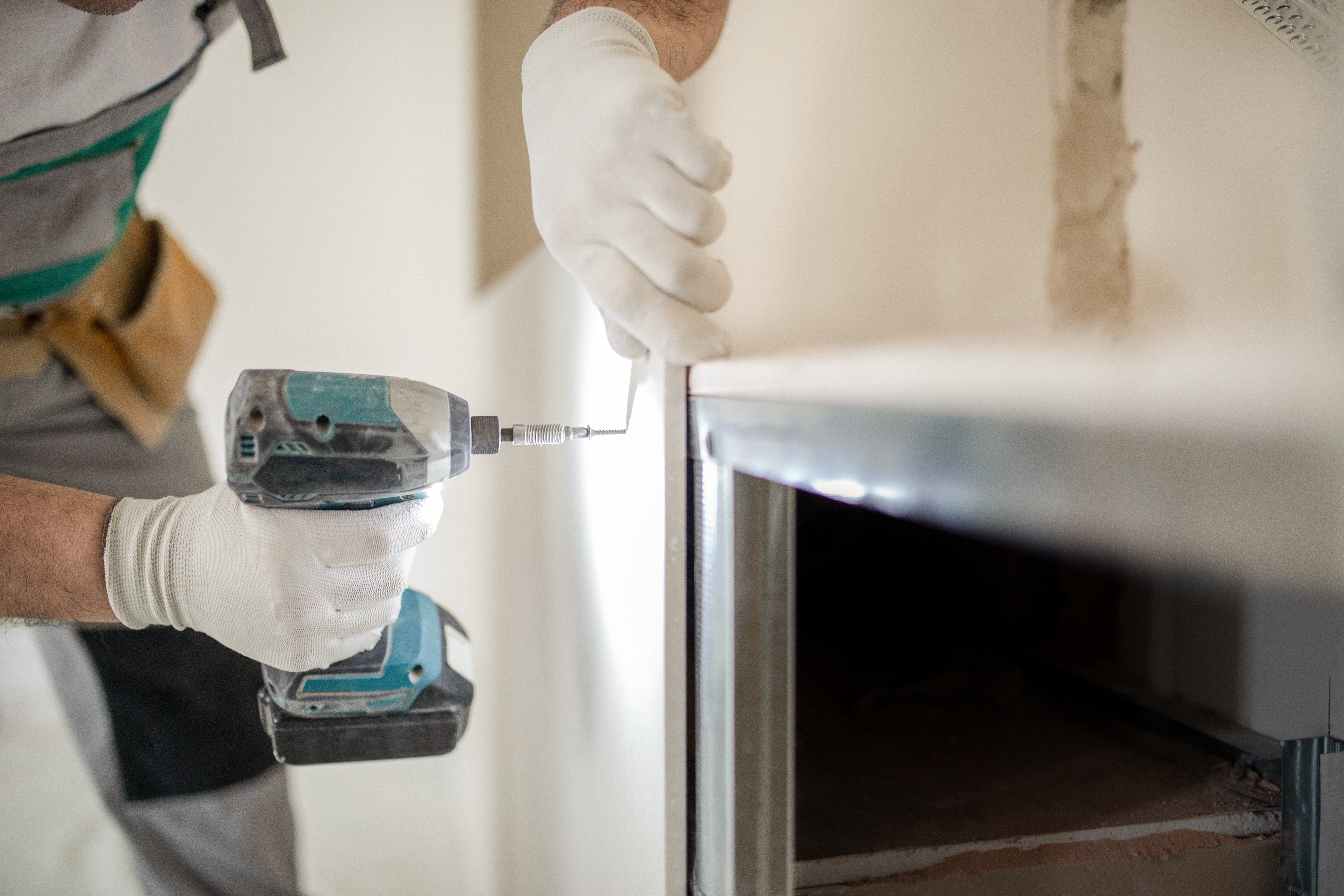
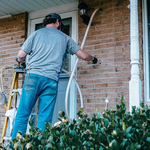
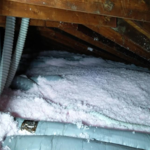
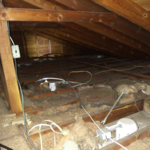
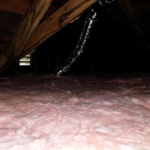
"The staff at Home Insulation Experts, Inc are very knowledgeable and willing to explain how and why certain methods/processes are used. They spent the time necessary for preparation and cleanup to the extent that even the drywallers were impressed. The crew was quick, efficient, and courteous. We will ABSOLUTELY hire them again for any insulation needs"
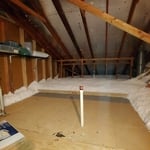
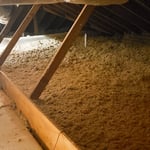
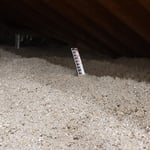
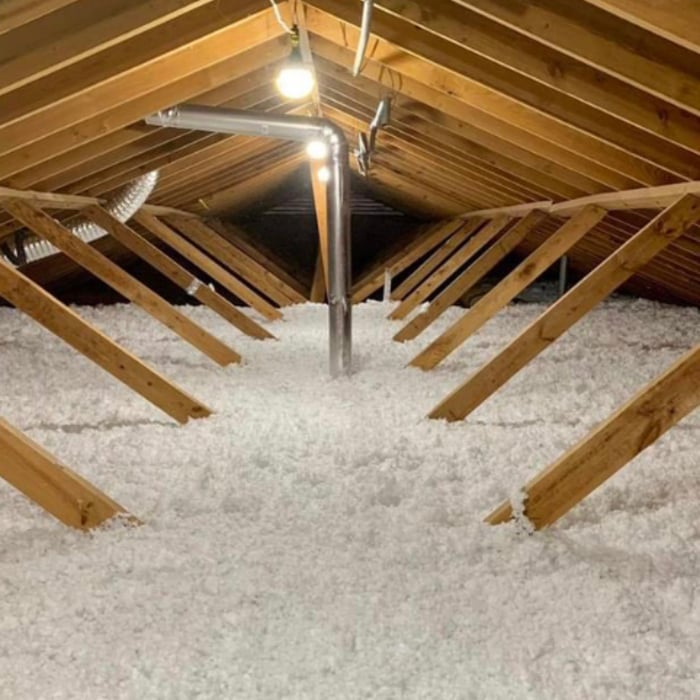
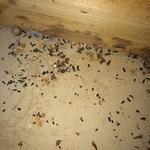
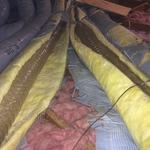
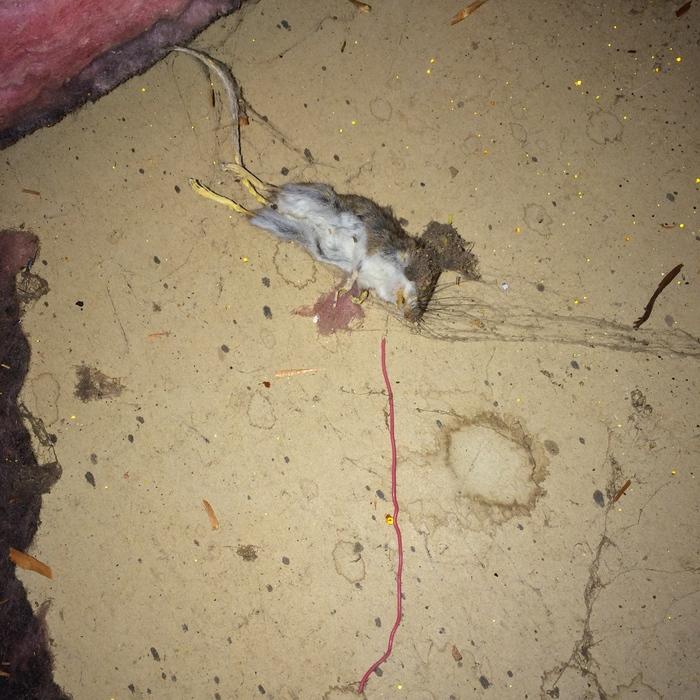
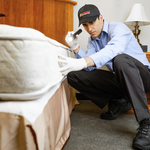
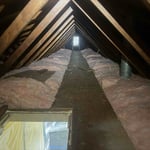
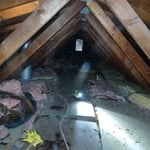
"I have had a great experience with the services from Master Attic! I contacted the company, for an insulation installation service for my attic. Robert, and his team, were punctual and professional. They came on time, gave a brief consultation after reviewing the space, and completed the work in a timely matter. Not only did they install the insulation in to my attic efficiently, but they also cleaned and sanitized the place after, and removed any pests and rodents! Would highly recommend Master Attic, and Robert, to anyone who needs insulation services done! They were friendly, professional, and really cared about the quality of their work, and the safety of my home. They also went the extra mile, to clean up and make the space rodent-free! There have been no issues throughout the service. 5 STARS!"
"Hired Retro Foam of Philadelphia to install foam insulation on 3 sides of my townhouse on Wildwood Crest. They did a great job, the team of Frank, Mike, Kevin and Keith were very respectful of our property, They were very friendly and mannerly during the process. when they left, you did not even know they were at my home. Great Job Bob/Jackie Marnie"
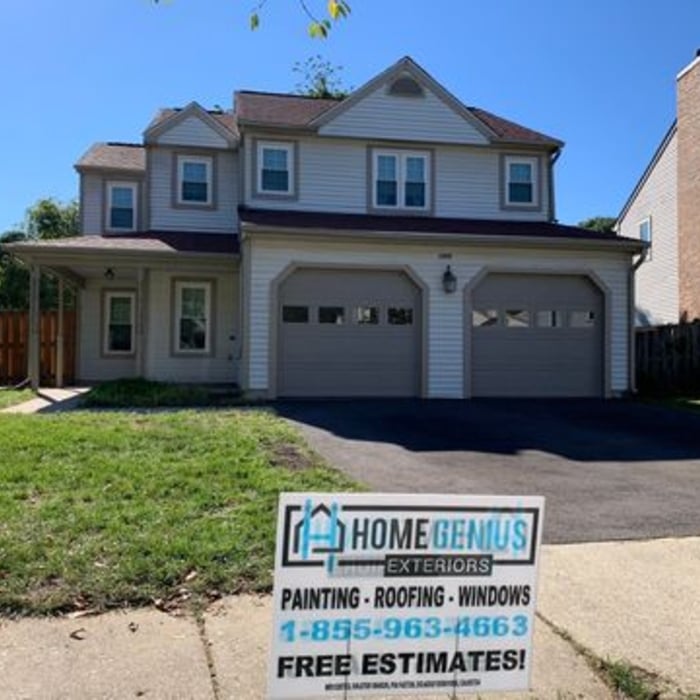
"The job was very well done. Gustavo and his crew were EXCELLENT. Dealing with the project Manager Taylor was EXCELLENT. One of a kind company. A unique feature that was used for installation was the inclusion of BOTH Sanford insulation and housewrap. I have not had another contractor offer me both of those. It’s always either one or the other. Home Genius is backed by the better business bureau and is a James Hardie certified installer for those looking for one."
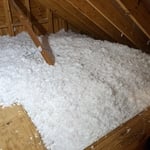
"We hired Mark and his team to install new spray foam insulation in our attic to meet the higher demands and code compliance required that you can not get with old style bat insulation. The spray foam sealed all of the leaks we had and made our home less drafty. They also put in new solar attic fans to keep the heat down so our HVAC did not have to work so hard. Great Job Koala!"
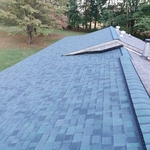
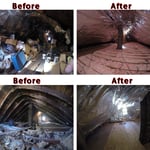
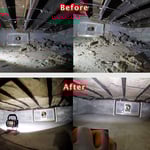
"This is my second experience with work performed by Atticare. Alex T. Project Manager & his crew performed roof replacement & upgraded attic insulation. The crew was professional & respected my property. No stress for me & after the job completed and the cleanup was 100%. Thank you for a job well done!☺️"
When you’re looking for pest control in Maple Shade and the surrounding areas, Western Pest Services is the company you need to take care of pests quickly and effectively. Our 100% guarantee means you don’t pay until your pest issue is resolved. Our top-notch termite solutions and mosquito & tick treatments keep the outside of your home as comfortable as the inside. You can even choose year-round, routine seasonal pest treatments with a TotalHome Plan. Your Burlington County business can also be pest-free. We provide custom pest solutions for cockroaches, bed bugs, mosquitoes, and every pest in between. We are the professional and discreet partner your business needs in New Jersey. Pests are Smart. Western's Smarter.
Welcome to Atticrawl, LLC \nWe pride our company on reliability, great communication, integrity, and quality work. We are experts in our trade and will do our best to keep you as educated as we can on your particular task or project. We look forward to earning your business!
"I was blown away by the quality of service I received from this insulation company! They were professional, efficient, and did an excellent job insulating my home. I highly recommend them to anyone in need of insulation services."
Yes, drywall nail pops are a common occurrence in homes, both new and old, resulting from the settling and shifting of the structure over time. Though not present in every room or on every wall, encountering nail pops in different sections of a home is not unusual, particularly if the temperature, humidity, or foundation has experienced changes.
Whether to repair or replace water-damaged plaster depends on the scale of the damage. For small, limited areas, you can often perform a repair yourself. If you choose to paint over small patches, ensure the surface is completely dry and apply a coat of antifungal primer first to prevent mold growth. However, simply painting or plastering over the damage is only a temporary solution that doesn't address the core problem. For more extensive or long-term damage, the plaster may be compromised, and there is a risk of mold. In these cases, it is recommended to remove the damaged section of plasterboard and replace it. You may consider hiring a professional for the repair, and it's worth noting that water damage is often covered by home insurance.
Yes, you can hammer a nail into a wall stud. But before you do, it’s important to confirm that you’re actually nailing into a stud—and not wiring, pipes, or ductwork. To check, find a few more studs in the wall, then measure to make sure they’re either 16 or 24 inches apart.
Yes, you can mount a TV on plaster walls—as long as you attach it to the studs. Alternatively, you can use toggle bolts, molly bolts, or another type of hardware that’s strong enough to support a TV.
If you aren’t comfortable with this type of project, you can hire a pro. The cost of mounting a TV to a plaster wall ranges from $25 to $600 (or more), depending on the TV’s weight, size, and other factors.
A jigsaw is commonly used to cut holes in drywall. It offers versatility and precision, making it suitable for creating circular or irregular openings. When equipped with the right blade, a jigsaw can swiftly and cleanly cut through drywall, making it a good choice for DIY projects.
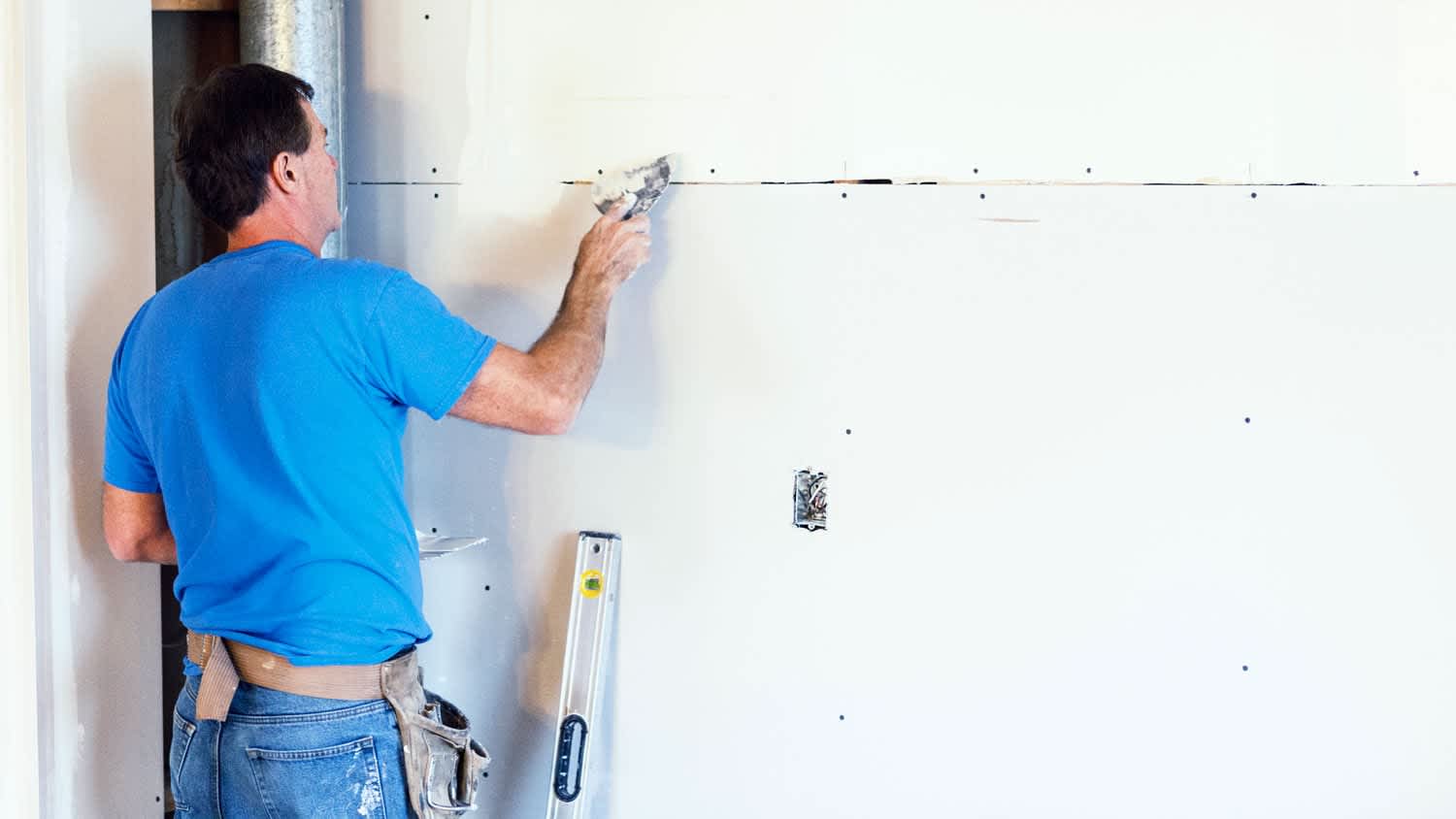
The Rutherford, NJ homeowners’ guide to drywall insulation services
From average costs to expert advice, get all the answers you need to get your job done.
New insulation makes your home more comfortable and boosts energy efficiency. Use this guide to budget for insulation installation costs in New York, NY.
The cost of blown-in insulation in New York, NY varies depending on the type of insulation, labor, prep work, and more. Learn more about the cost factors in this guide.
Insulating your attic can improve your home’s efficiency and reduce electric bills. Use this guide to find out what attic insulation will cost you in New York, NY.
Learning how to insulate plaster walls can help improve your home's energy efficiency. However, there are crucial cautions to consider before attempting.
Thick gaps and extra joint compound can alter the look of drywall. So, should drywall be butt up against a wall? Review this guide for seamless installation.
Insulating your walls requires the right insulation and installation method. Keep reading to learn how to insulate a wall without removing the drywall.