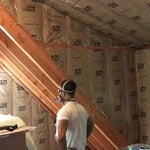
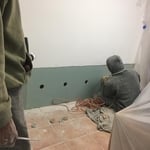
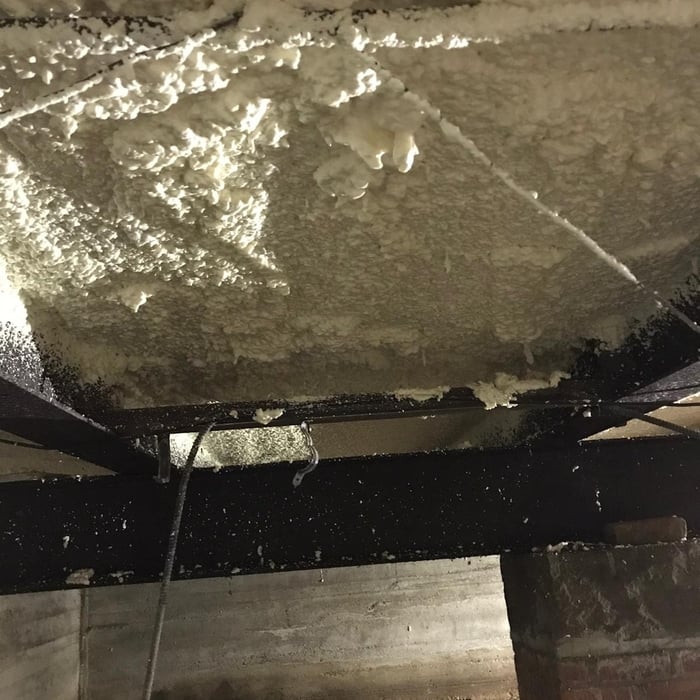
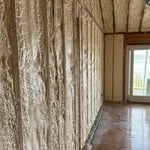
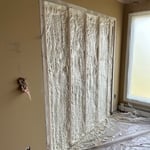
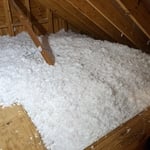
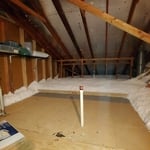
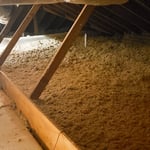
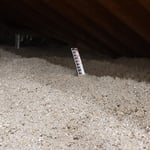
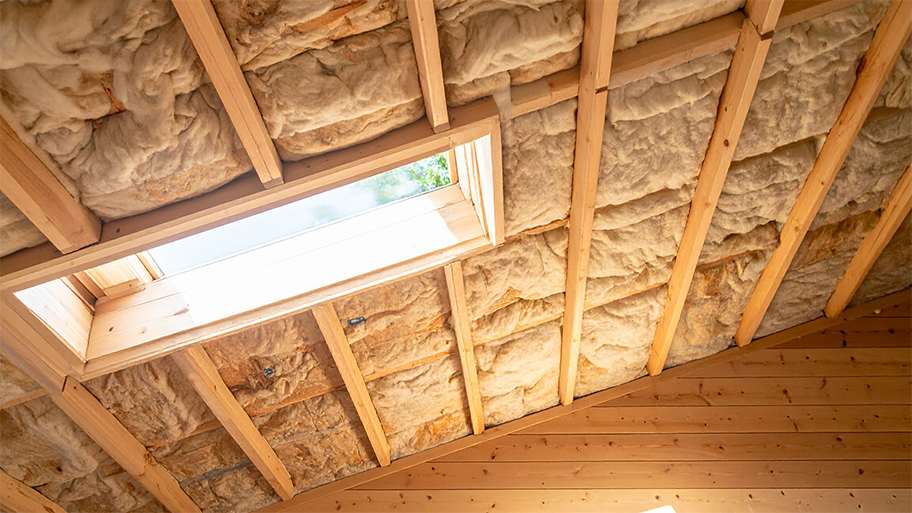
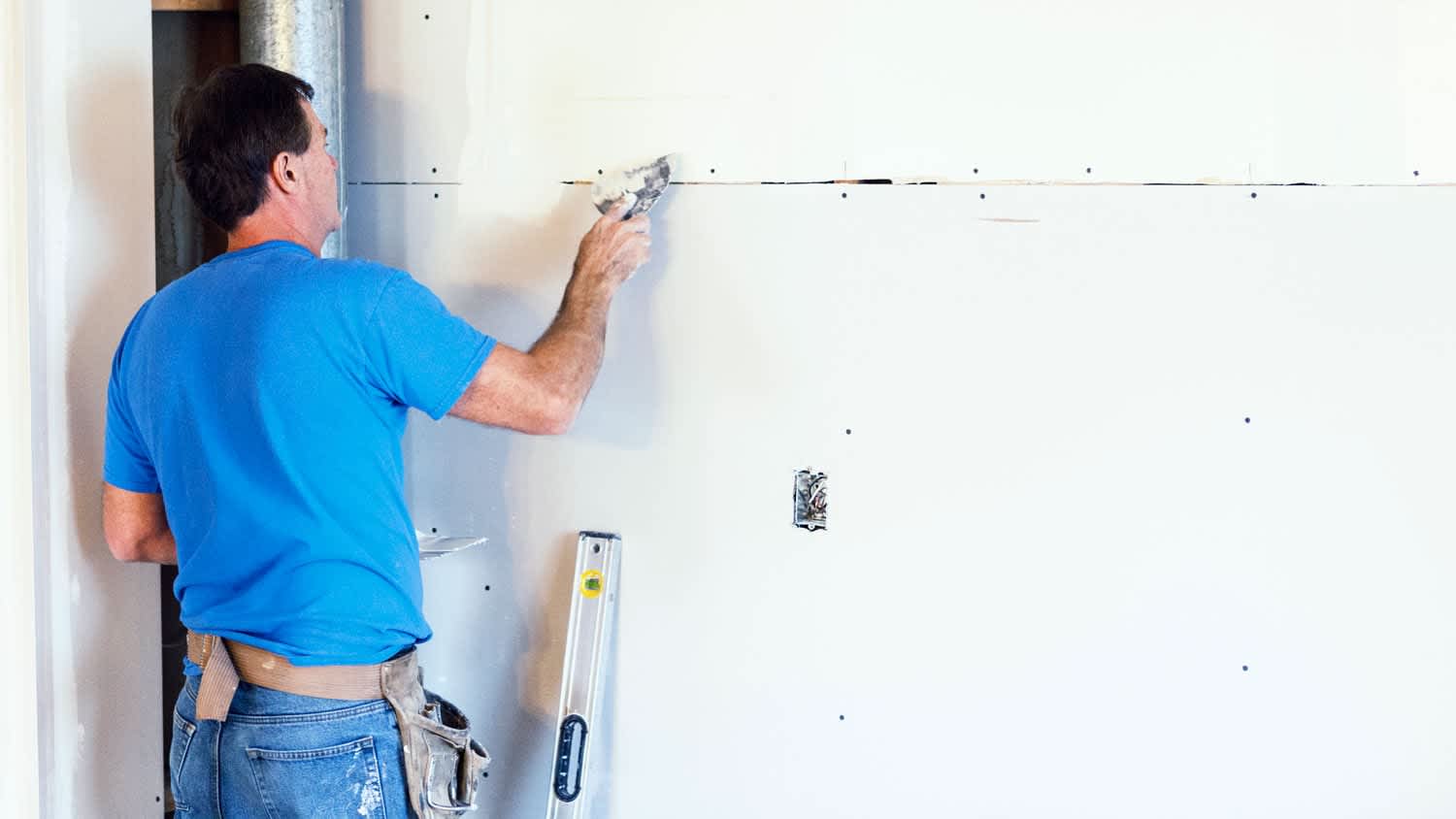
"The staff at Home Insulation Experts, Inc are very knowledgeable and willing to explain how and why certain methods/processes are used. They spent the time necessary for preparation and cleanup to the extent that even the drywallers were impressed. The crew was quick, efficient, and courteous. We will ABSOLUTELY hire them again for any insulation needs"
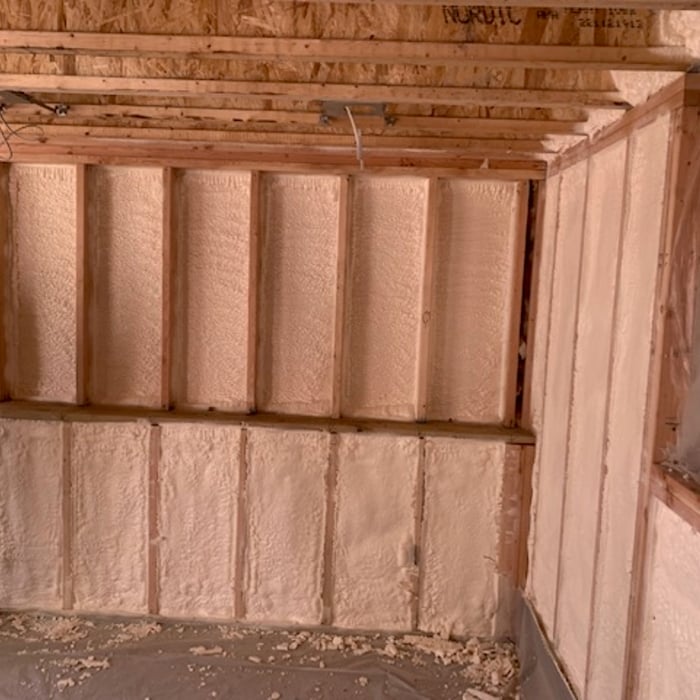
"Hired Retro Foam of Philadelphia to install foam insulation on 3 sides of my townhouse on Wildwood Crest. They did a great job, the team of Frank, Mike, Kevin and Keith were very respectful of our property, They were very friendly and mannerly during the process. when they left, you did not even know they were at my home. Great Job Bob/Jackie Marnie"
We take great pride in our experience, expertise, quality, and customer service that we provide to meet the consumer's needs. It is our mission to provide excellent workmanship and complete customer satisfaction, from the start to the completion of a project. In order to understand the needs and expectations of our customers, we take great care to work and communicate with every customer in a professional manner. Our reputation is based on service, safety, and quality, regardless of how large or small the job.
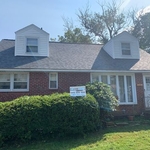
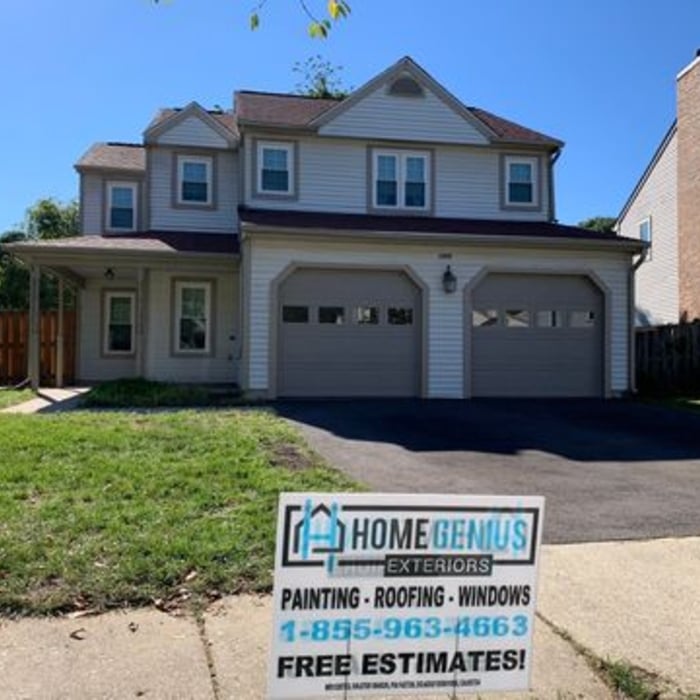
"The job was very well done. Gustavo and his crew were EXCELLENT. Dealing with the project Manager Taylor was EXCELLENT. One of a kind company. A unique feature that was used for installation was the inclusion of BOTH Sanford insulation and housewrap. I have not had another contractor offer me both of those. It’s always either one or the other. Home Genius is backed by the better business bureau and is a James Hardie certified installer for those looking for one."
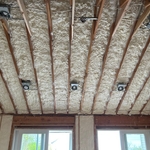
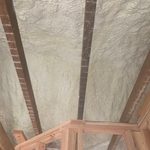
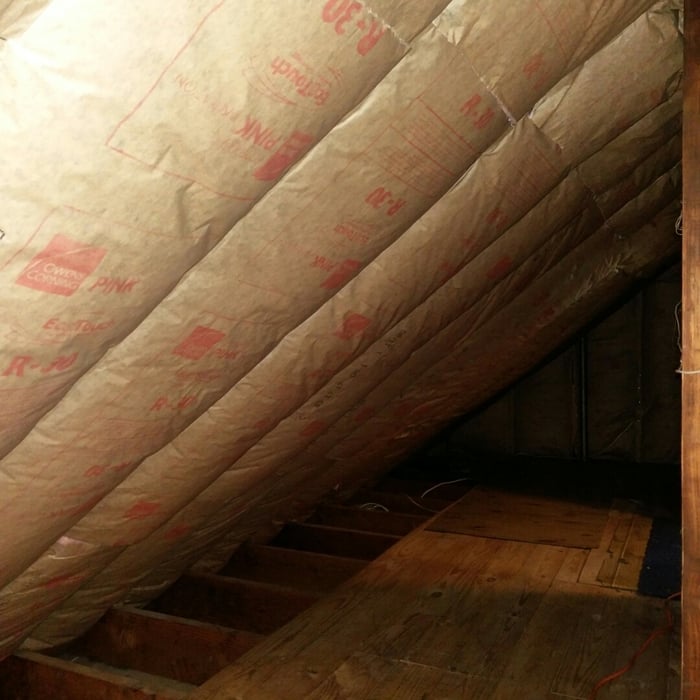
"We hired Mark and his team to install new spray foam insulation in our attic to meet the higher demands and code compliance required that you can not get with old style bat insulation. The spray foam sealed all of the leaks we had and made our home less drafty. They also put in new solar attic fans to keep the heat down so our HVAC did not have to work so hard. Great Job Koala!"
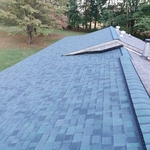
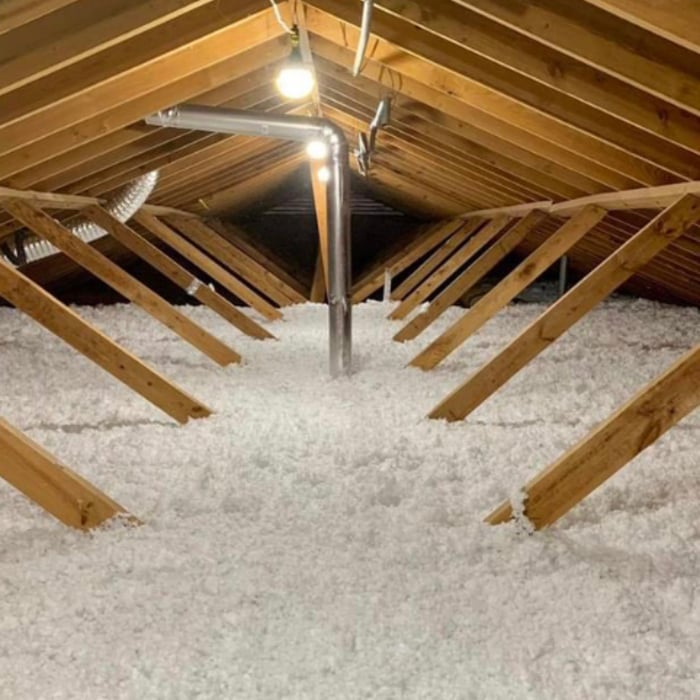
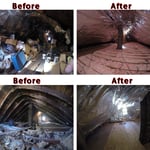
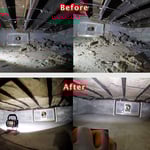
"This is my second experience with work performed by Atticare. Alex T. Project Manager & his crew performed roof replacement & upgraded attic insulation. The crew was professional & respected my property. No stress for me & after the job completed and the cleanup was 100%. Thank you for a job well done!☺️"
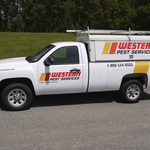
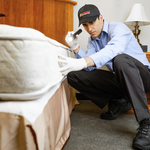
When you’re looking for pest control in Maple Shade and the surrounding areas, Western Pest Services is the company you need to take care of pests quickly and effectively. Our 100% guarantee means you don’t pay until your pest issue is resolved. Our top-notch termite solutions and mosquito & tick treatments keep the outside of your home as comfortable as the inside. You can even choose year-round, routine seasonal pest treatments with a TotalHome Plan. Your Burlington County business can also be pest-free. We provide custom pest solutions for cockroaches, bed bugs, mosquitoes, and every pest in between. We are the professional and discreet partner your business needs in New Jersey. Pests are Smart. Western's Smarter.
Welcome to Atticrawl, LLC \nWe pride our company on reliability, great communication, integrity, and quality work. We are experts in our trade and will do our best to keep you as educated as we can on your particular task or project. We look forward to earning your business!
"I was blown away by the quality of service I received from this insulation company! They were professional, efficient, and did an excellent job insulating my home. I highly recommend them to anyone in need of insulation services."
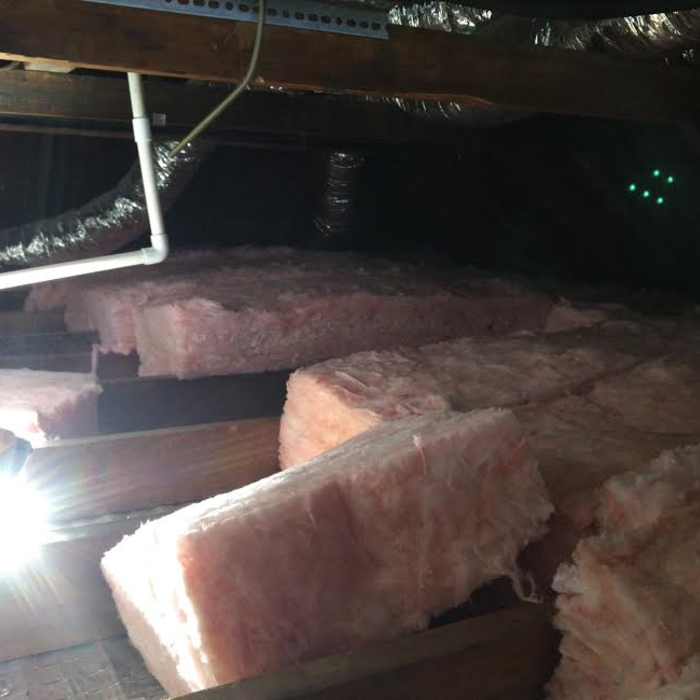
"The insulation was added to the attic in a timely fashion. We are looking into insulating our walls with foam in the future and would definitely use Home Insulation Experts for this."
Yes, taping inside corners is a critical step in the drywall installation process. Properly taping inside corners is essential for achieving a professional look, and an installation that resists cracking and maintains its integrity over time. Taping the corners involves the application of a joint compound along the seam where two drywall pieces meet. This process provides reinforcement, conceals the seam, and prevents future gaps or cracks from developing.
The cost to skim coat drywall is $1.15 to $1.35 per square foot. Most of the cost is labor, for the necessary skills to apply the skim coat with precision using high-quality tools. This is a job better left to the professionals for the best outcomes.
There are a handful of reasons why your drywall anchors are breaking. Using the wrong type of anchor is the most common problem, so always make sure you’re using the best option for a particular project. That there are electrical wires or plumbing where you’ve placed an anchor or that your drywall is weak are two other possible causes.
It’s not a good idea to plaster over broken plaster (unless by broken you’re referring to cracked, in which case that’s perfectly fine). However, broken plaster can be a sign of a larger underlying issue like foundation damage or severe damage to the lath holding up the plaster, so it’s worth investigating before you simply plaster on top of the damage.
In some minor cases, you can DIY drywall repair with minimal time and money spent. This method is best when you have a hole made by a singular problem, such as accidental furniture moving, and not a continuous problem, like a rodent infestation.
Knowing what product to use is crucial. For example, small holes only need spackle, whereas large holes might need a new piece of drywall. You can flex your DIY abilities on this project, but if you’d like a second opinion or have a more significant problem, it’s best to call in a drywall repair pro.
The South Hackensack, NJ homeowners’ guide to drywall insulation services
From average costs to expert advice, get all the answers you need to get your job done.
New insulation makes your home more comfortable and boosts energy efficiency. Use this guide to budget for insulation installation costs in New York, NY.
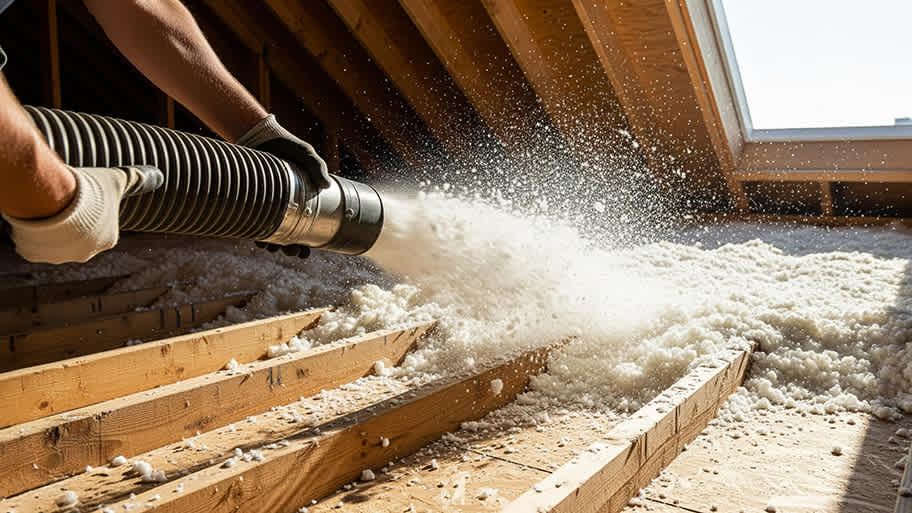
The cost of blown-in insulation in New York, NY varies depending on the type of insulation, labor, prep work, and more. Learn more about the cost factors in this guide.
Insulating your attic can improve your home’s efficiency and reduce electric bills. Use this guide to find out what attic insulation will cost you in New York, NY.
Learning how to insulate plaster walls can help improve your home's energy efficiency. However, there are crucial cautions to consider before attempting.
Thick gaps and extra joint compound can alter the look of drywall. So, should drywall be butt up against a wall? Review this guide for seamless installation.