
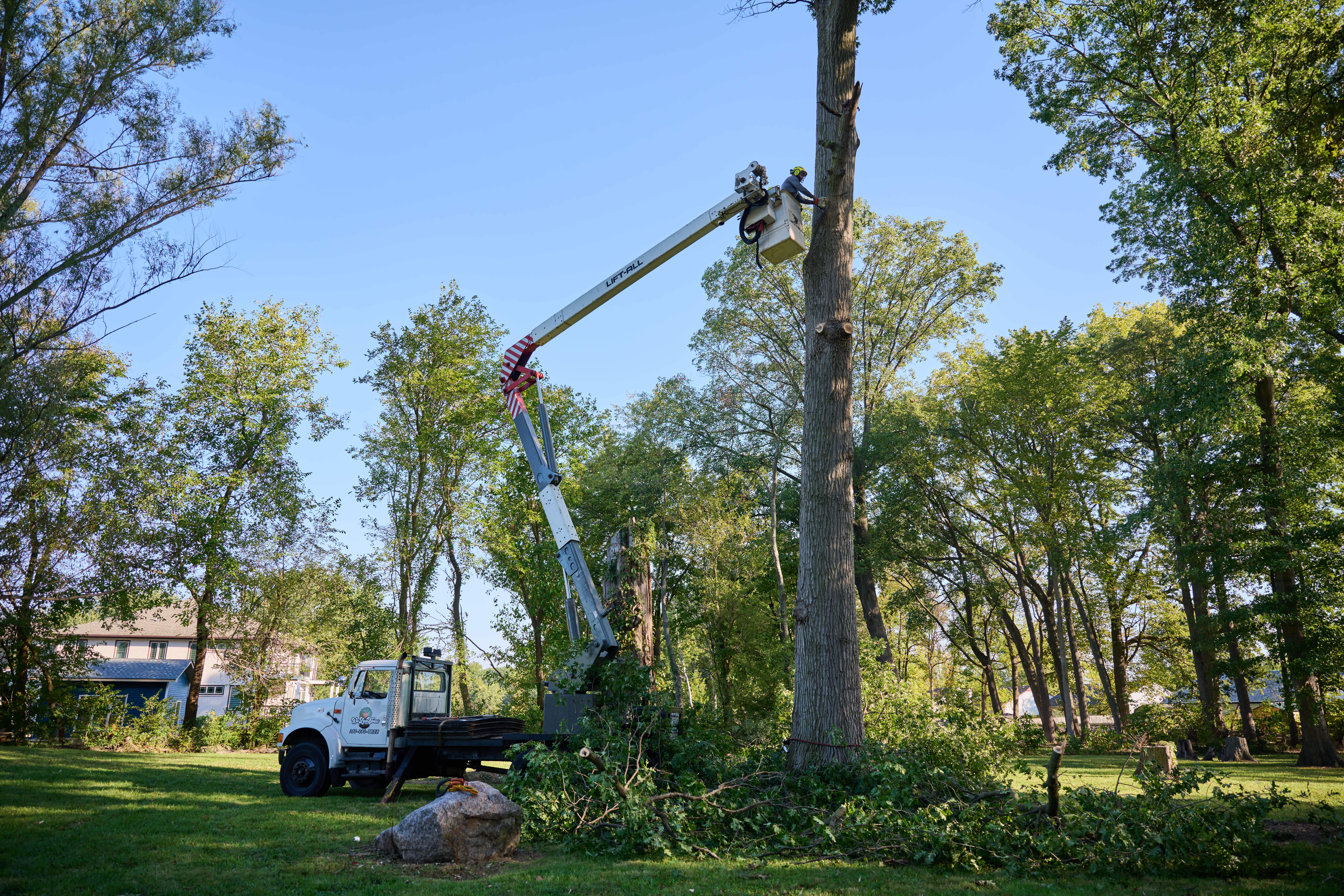
Top-rated brush chipping pros.

Get matched with top brush chipping pros in River Vale, NJ

Enter your zip and get matched with up to 5 pros

Need a pro for your brush chipping project in River Vale, NJ?

Select your specific project to find the pro for you.

TRUSTED BY RIVER VALE, NJ HOMEOWNERS

  • Average homeowner rating star icon4.6
    Average homeowner rating
  • Verified reviews icon822
    Verified brush chipping services reviews

Find Brush chipping pros in River Vale

No results for Brush chipping pro in

Try adjusting your search criteria.
Brush Chipping questions, answered by experts

Using a truck to remove a bush falls into the category of “just because you can, doesn’t mean you should.” While it is possible to use a truck to pull out a bush, if you don’t have the right equipment, if you’re not familiar with attaching things to your vehicle correctly, or if you don’t have enough room, it’s a risky option. To prevent damage to your vehicle, it’s worth using tools made for the job of digging and cutting roots instead.

Yes, you can conduct your own leaf removal, but consider that keeping up with leaf removal is time-consuming and requires regular yard work throughout the fall. The process can take a few hours a week. Professionals have lawn equipment that can speed up the process and save you time. Additionally, consider how you’ll dispose of the leaves. If your sanitation company won’t pick them up—especially if you have many bags from a once-annual cleanup— you’ll have to drive the bags to the dump. It’s usually easier to leave the work and disposal to a professional leaf removal service.

Many privet varieties are considered invasive, particularly in North America. They can grow quickly, spread into the wild, and push out native species if left uncontrolled. It’s a particular problem for warmer southern states, and some regions even have warnings or regulations against planting certain types of privet. You can reduce (but not eliminate) the chances of privet spreading by cutting its flowers in summer before they develop.

The most common alternative is burning the stump first, then dealing with the cinders and ashes. As you can imagine, this option creates fire hazards, especially since roots can burn underground, hidden, for long afterward. That’s why many states and cities have outlawed the use of stump burning entirely. We do not recommend this option as a viable alternative unless you get a permit from the local fire department and practice all safe burning procedures.

Others prefer a more long-term DIY approach of degrading the stump with home mixtures like Epsom salt and vinegar injected directly into it. This may help the stump decay faster, allowing homeowners to dig it out themselves, but it’s still a lengthy process. It usually takes months for a stump to start falling apart with such treatments, and in the meantime, it can be vulnerable to rot, insects, and other problems.

If debris from a tree located in a government-owned space (such as a sidewalk, public school, or government property) falls in your yard, it is the city’s or state government’s responsibility to have the debris cleaned up. On the other hand, most states only hold a neighbor liable for cleaning up their tree’s debris if they were negligent in caring for the tree.

The River Vale, NJ homeowners’ guide to brush chipping services

From average costs to expert advice, get all the answers you need to get your job done.