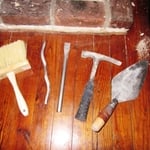






WE SPECIALIZE IN THE HISTORICAL REPAIR AND RESTORATIONS FOR INTERIOR AND EXTERIOR. WE WORK THE WHOLE STATE OF NEW JERSEY, MARYLAND, WASHINGTON DC, CONNECTICUT, VIRGINA AND MASSACHUSETTS. WE ARE LICENSED AND INSURED IN ALL STATES. WE ARE WILLING TO TRAVEL, ANY JOB SMALL OR LARGE. CONSULTATION AND TRANSPORTATION FEES WILL APPLY. WE DO WINDOW REPAIR. PLASTER REPAIRS. AND ALL MASONRY REPAIRS\n\n
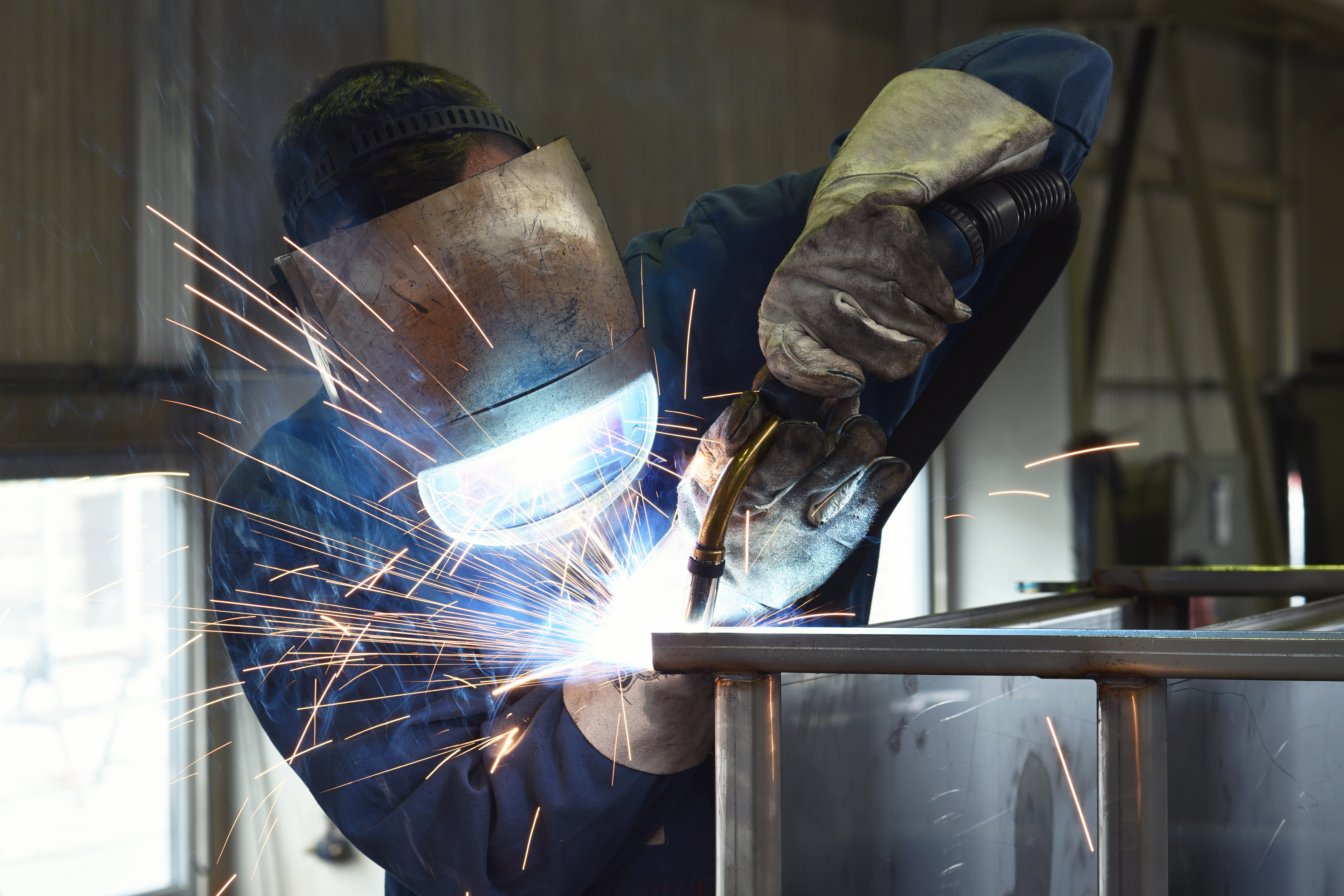
We take great pride in our experience, expertise, quality, and customer service that we provide to meet the consumer's needs. It is our mission to provide excellent workmanship and complete customer satisfaction from start to completion of a project. In order to understand the needs and expectations of our customers, we take great care to work and communicate with every customer in a professional manner. Our reputation is based on service, safety, and quality, regardless of how large or small the job. Stick, MIG, and TIG welding done here!
"I somehow managed to bend and crack the tongue on my trailer. MCT welding and fabrication provided a great service and fixed it in no time for a reasonable price."
"I used Custom Welding to create an emergency access door in a large window security gate and fix an iron door gate that would not open. They showed up on time and did the work in one visit. Very pleased with the results."
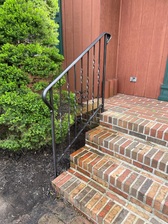
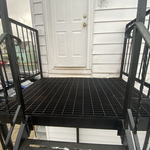
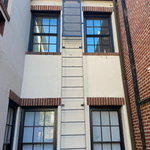
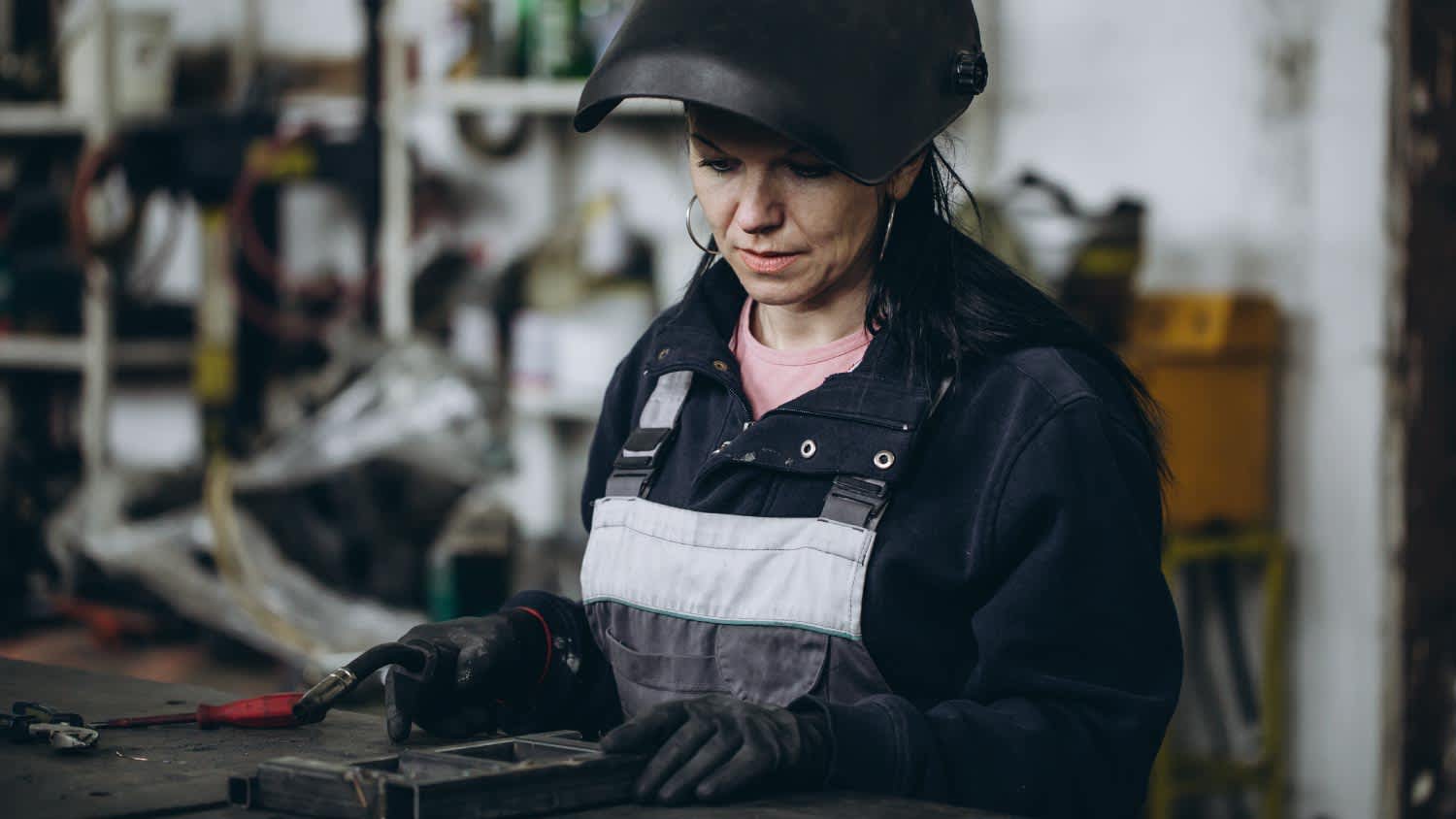
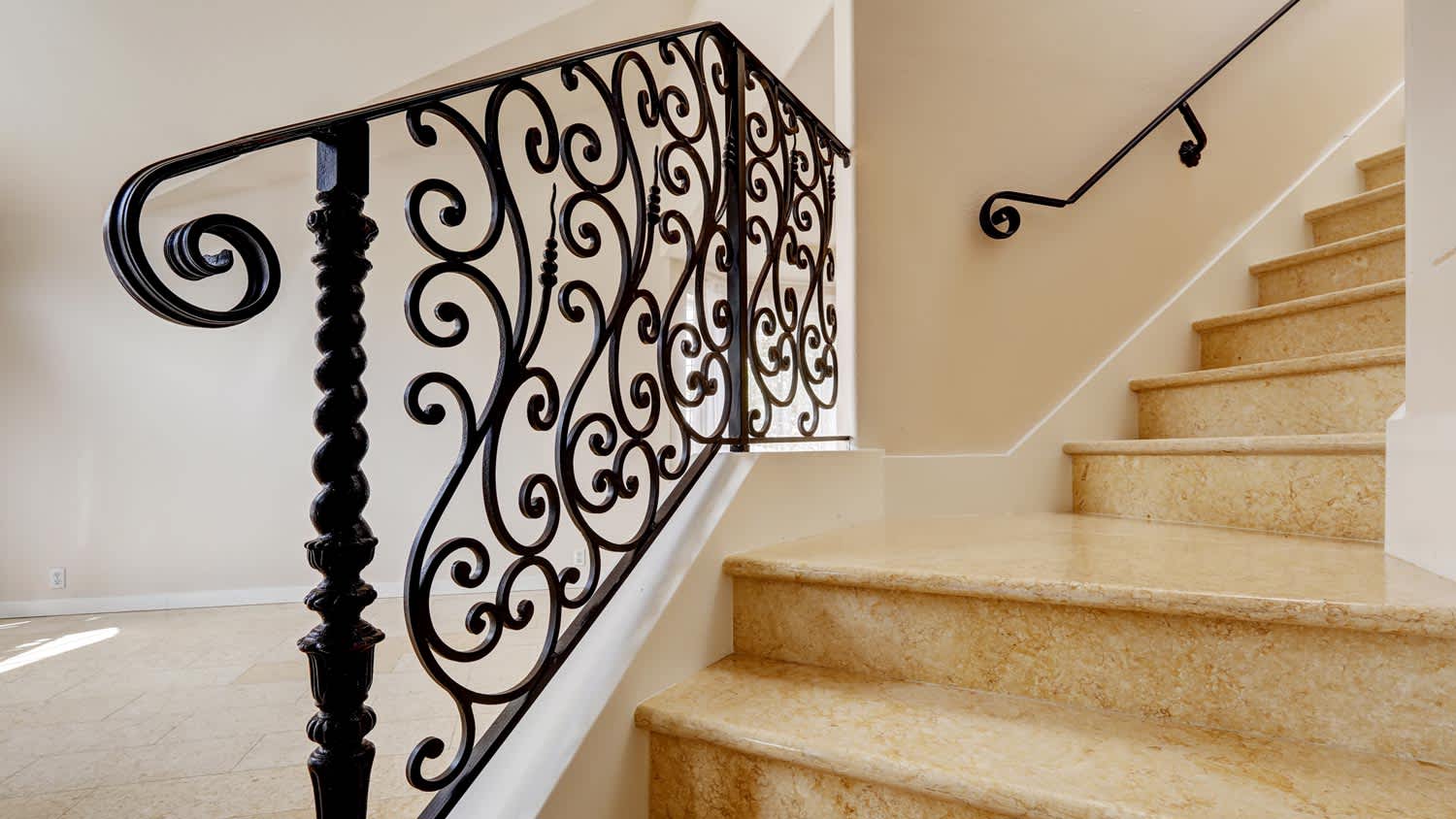
WPT Welding specializes in repairs and fabrication of : railings, stairs, window gates, security doors , roof ladders, basement doors , catwalks and more . \n\nWPT Welding is owner operated . We have certified welders with years of experience in various sectors of the welding industry. We are a one stop shop, you get repairs on site , fabrication and installation of new steel and priming and painting of all steel .
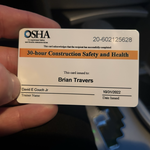
"We had Russell came in for a job, where he had to a track training for the MTA and complete 30 hours OSHA training. He did it all done in a week; he completely fixed all of the welding and he did a fantastic job.Everyone on the project had nothing but good things to say about him, he is a very good team player!"
We take great pride in our experience, expertise, quality, and customer service that we provide to meet the consumer needs. It is our mission to provide excellent workmanship and complete customer satisfaction from start to completion of a project. In order to understand the needs and expectations of our customers, we take great care to work and communicate with every customer in a professional manner. Our reputation is based on service, safety, and quality, regardless of how large or small the job. We will contact you back at our earliest convenience. If emergency call 732-864-4637.
Yes, you can use a saw to cut metal pipes. The best saw to use is a reciprocating saw, but even a fine-tooth hacksaw can get the job done. No matter which saw you use to cut metal pipes, wear protective gear, like work gloves, safety goggles, and ear plugs. Apply a firm, steady pressure to the tool, and always ensure the pipes are secured so they don't move while you make the cuts.
You should not do your own welding unless you have the proper training and experience. Most home electrical systems can only handle MIG welding, which creates weaker bonds than TIG welding and won’t work on certain metals or metal thicknesses. Both welding forms usually require the use of shielding gas, which can be dangerous to store at home. Additionally, welding machines create temperatures of over 3,000 degrees, and the sparks can blind you if you don’t have the proper equipment. As such, it’s usually better to hire a professional welder for your welding projects.
It will likely take an experienced pro less than an hour to install a ground rod, which is another reason why letting them handle the job is such a good idea. Safety concerns aside, it would likely take you much longer to install a ground rod if you decided to take this one as a DIY job.
Cutting rectangular ductwork requires careful measurements and the right technique. Use a measuring tape and pencil to mark the cutting lines accurately. Tin snips are excellent for straight cuts on smaller ducts. For more extensive or thicker rectangular ducts, a reciprocating saw with a metal-cutting blade is effective.
Ensure the duct is well-supported and secure while cutting to prevent wobbling and maintain precision. After cutting, use a metal file to smooth any sharp edges, ensuring safety during installation.
This all depends on the tools you have on hand and whether you’re trying to cut a straight line or shapes.
The best tool to use for straight lines is either a circular saw or table saw. When cutting shapes, a jigsaw will be the easiest and most precise tool to use.
The Fort Dix, NJ homeowners’ guide to welding services
From average costs to expert advice, get all the answers you need to get your job done.
When you need help with a metal project and don’t have the expertise or the time, call an expert welder for your project. Here’s how to vet and hire a welder.