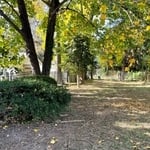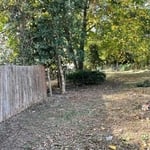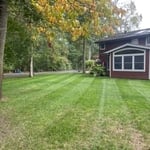
Top-rated leaf removal pros.

Get matched with top leaf removal pros in Deerfield, NJ

Enter your zip and get matched with up to 5 pros

Need a pro for your leaf removal project in Deerfield, NJ?

Select your specific project to find the pro for you.

TRUSTED BY DEERFIELD, NJ HOMEOWNERS

  • Average homeowner rating star icon4.6
    Average homeowner rating
  • Verified reviews icon37
    Verified leaf removal services reviews

Find Leaf removal pros in Deerfield

Avatar for Leevi's Lighting and Landscape
Leevi's Lighting and Landscape
5.0(
3
)
Lawn & Yard Waste Clean Up

Serving Deerfield, NJ and surrounding areas

Approved

In business since 2022

Free estimates

Customers say: Quick response

"This has been the only contractor I have worked with in the last five years that communicates with their customer and is honest. They also go above and beyond. Highly recommend."
Response time12 hrs
6 neighbors recently requested a quote
Recommended by100%of homeowners
...
Showing 1-10 of 268
Leaf Removal questions, answered by experts

If lead is detected in a property, steps should include arranging for professional removal or containment, notifying all occupants, and implementing interim safety measures to reduce exposure.

You can paint over lead paint, or “encapsulate” it with a special paint that includes an ingredient called an encapsulant. The EPA approves encapsulation as a lead paint removal method as long as the paint remains undisturbed. Standard types of paint without an “encapsulant” from the big box stores or hardware stores do not meet EPA standards for remediation of lead-based paint.

You do not have to remove lead paint if the surface is not chipping or peeling or if there are no pregnant people or children under the age of six who live in or regularly visit your home. Lead paint is a particular risk for young children whose brains and bodies are not fully developed. Experts strongly recommend that you call a pro to remove lead paint if it’s peeling or flaking, no matter who lives in the home. You can experience lead poisoning by breathing in or ingesting just a small amount of it.

According to the Environmental Protection Agency (EPA), hazardous waste is generally classified into four main categories:

1. Characteristic Wastes: These exhibit at least one of four hazardous traits: ignitability (flammable, like gasoline), corrosivity (can rust or decompose materials, like car batteries), reactivity (unstable and can explode, like aerosol cans), or toxicity (harmful when ingested, like lead-based paint).

2. Listed Wastes: These are specific wastes from manufacturing and industrial processes that the EPA has officially designated as hazardous. They include byproducts from processes that use solvents, pesticides, and other chemicals.

3. Universal Wastes: These are commonly generated hazardous items that are subject to streamlined regulations. Examples include batteries, pesticides, mercury-containing equipment (e.g., bulbs), and some lamps.

4. Mixed Wastes: This category includes waste that contains both hazardous and radioactive components, making it subject to regulation by both the EPA and the Nuclear Regulatory Commission.

You can sell a house with lead paint, but there are several requirements. If you are aware that lead paint exists anywhere in the home, you must disclose that to potential buyers. Required home inspections will often uncover lead paint, especially for older houses where lead paint may still be a problem. If you have taken steps to encapsulate lead, you should provide buyers with full documentation of the project so it won’t cause any problems later on.

The Deerfield, NJ homeowners’ guide to leaf removal services

From average costs to expert advice, get all the answers you need to get your job done.