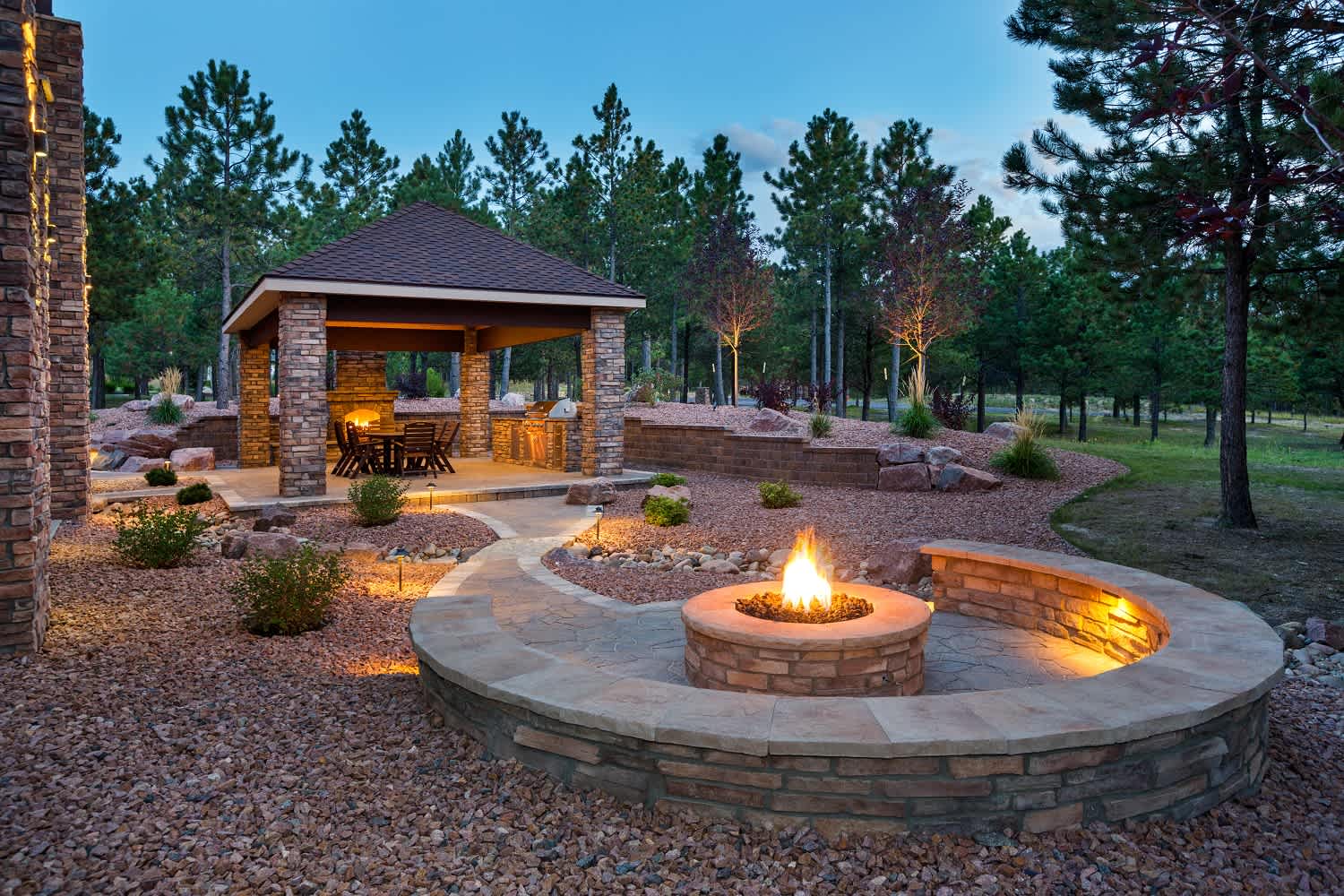








Top-rated fire pit installation pros.

Get matched with top fire pit installation pros in Basking Ridge, NJ

Enter your zip and get matched with up to 5 pros

Need a pro for your fire pit installation project in Basking Ridge, NJ?

Select your specific project to find the pro for you.

TRUSTED BY BASKING RIDGE, NJ HOMEOWNERS

  • Average homeowner rating star icon4.6
    Average homeowner rating
  • Verified reviews icon336
    Verified fire pit installation services reviews

Find Fire pit installation pros in Basking Ridge

No results for Fire pit installation pro in

Try adjusting your search criteria.
Fire Pit Installation questions, answered by experts

They provide early warning, minimize property damage, and ensure safety during fire emergencies.

There are several maintenance tips you should take to ensure your pellet stove's safety and proper maintenance. You should vacuum the ash pan every week to prevent overflowing and clean the stove and surrounding vents every three to four months. It’s also important to get a professional inspection every year and install a carbon monoxide detector close to your stove. Be sure to dispose of hot ashes in a closed metal container; store it outside, away from the house. Only use the pellets recommended by your stove's manufacturer, and follow any cleaning and maintenance instructions.

Fire sprinkler systems give your home’s value a boost. Potential home buyers are looking for a safe place to settle, and a well-maintained sprinkler system can provide peace of mind. Plus, some homeowners insurance policies offer discounted rates for homes with this type of built-in system, thanks to the decreased risk of fire.

The damper, located just above the firebox, can open or close the chimney flue. The damper should remain closed unless there’s a fire burning in the fireplace. Closing the damper prevents energy loss through the chimney and cold air from seeping into the home during the winter. Opening the damper helps maintain airflow when there is a fire and prevents smoke and gases from venting into the house.

No, but they both serve distinct life-saving purposes. Smoke detectors primarily sense the presence of smoke, typically caused by a fire, and emit loud alarms to alert occupants to evacuate. In contrast, carbon monoxide detectors monitor the levels of carbon monoxide gas, an odorless and colorless but deadly substance produced by incomplete combustion of fuels. When CO levels become dangerous, CO detectors sound alarms to warn inhabitants of potential poisoning risks. 


The Basking Ridge, NJ homeowners’ guide to fire pit installation services

From average costs to expert advice, get all the answers you need to get your job done.