Top-rated leaf removal pros.

Get matched with top leaf removal pros in Wilton, NH

Enter your zip and get matched with up to 5 pros

Need a pro for your leaf removal project in Wilton, NH?

Select your specific project to find the pro for you.

TRUSTED BY WILTON, NH HOMEOWNERS

  • Average homeowner rating star icon4.3
    Average homeowner rating
  • Verified reviews icon36
    Verified leaf removal services reviews

Find Leaf removal pros in Wilton

Avatar for JR Carpentry
JR Carpentry
4.5(
73
)
Waste, Junk, Building Materials and Debris - Remove and HaulLawn & Yard Waste Clean Up

Serving Wilton, NH and surrounding areas

Approved

Super Service Award Winner

In business since 2020

Free estimates

Emergency services offered

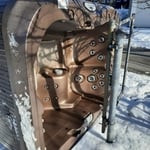
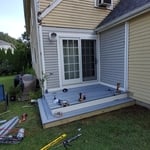
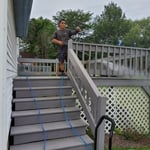
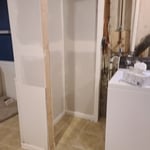
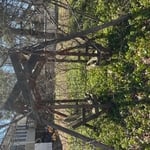
"Replacing a complex wooded deck requires many different cuts. He was able to navigate the problems and come up with solutions that pleased me very much. He also installed an additional railing that was much appreciated by my wife and I. This was a 3 level deck."
Our work
Our work
Remodel
Remodel
Remodel

+250

Response time12 hrs
26 neighbors recently requested a quote
Recommended by71%of homeowners
...
Showing 1-10 of 215
Leaf Removal questions, answered by experts

If your home was built before 1978, there’s a chance that any paint on your hardwood floors could be lead paint—especially if it was already there when you moved in. Because lead is toxic, hiring a licensed pro to remove it is mandatory. The average price for professional lead paint removal ranges from $1,500 to $5,300 and depends on the scope of the project.

Government regulations such as the EPA and OSHA govern lead removal procedures to ensure health and environmental safety during and after abatement.

According to the Environmental Protection Agency (EPA), hazardous waste is generally classified into four main categories:

1. Characteristic Wastes: These exhibit at least one of four hazardous traits: ignitability (flammable, like gasoline), corrosivity (can rust or decompose materials, like car batteries), reactivity (unstable and can explode, like aerosol cans), or toxicity (harmful when ingested, like lead-based paint).

2. Listed Wastes: These are specific wastes from manufacturing and industrial processes that the EPA has officially designated as hazardous. They include byproducts from processes that use solvents, pesticides, and other chemicals.

3. Universal Wastes: These are commonly generated hazardous items that are subject to streamlined regulations. Examples include batteries, pesticides, mercury-containing equipment (e.g., bulbs), and some lamps.

4. Mixed Wastes: This category includes waste that contains both hazardous and radioactive components, making it subject to regulation by both the EPA and the Nuclear Regulatory Commission.

While the EPA provides guidelines for homeowners to perform DIY lead paint removal, it is a risky process and generally not recommended due to serious health risks and strict regulatory requirements. The process requires precise safety precautions, such as wearing a respirator and protective eyeglasses, creating sealed exits, and using a HEPA vacuum for cleanup. To ensure the job is done safely, effectively, and in compliance with regulations, it is highly recommended to hire a professional lead abatement company. Certified professionals have the necessary training, experience, and specialized equipment (like chemical strippers and HEPA vacuums) to handle and dispose of hazardous materials safely.
The best way to remove lead paint is by wet hand sanding and removing all dust and residue with a HEPA vacuum. Professionals may also strip and scrape lead-based paint with a paint scraper. In some cases, you may choose to have a pro encapsulate or enclose your lead-based paint surface by covering it with a sealant or a new material. You may also choose to replace the material altogether.

The Wilton, NH homeowners’ guide to leaf removal services

From average costs to expert advice, get all the answers you need to get your job done.