When pests show up, so do we.\n\nFor nearly a century, Terminix® has been one of America's most trusted names in pest control. Every day, our exterminators serve thousands of homes and businesses nationwide, combining national service with local knowledge to provide best-in-class, proactive pest management solutions. We stop problems before they start and respond quickly if issues arise, keeping your property protected.\n\nAnd for extra peace of mind, if pests come back, so do we — guaranteed.\n\nThe Terminix It Guarantee means that if pests come back, so do we, to re-treat at no additional cost. No excuses, just a commitment to care for your home like it's our own with protection you can trust.
We take great pride in our experience, expertise, quality, and customer service that we provide to meet the consumer's needs. It is our mission to provide excellent workmanship and complete customer satisfaction, from the start to the completion of a project. In order to understand the needs and expectations of our customers, we take great care to work and communicate with every customer in a professional manner. Our reputation is based on service, safety, and quality, regardless of how large or small the job.
"Alan came out to look at the site and do some measurements. Then we communicated several times by email. He was very good at keeping me informed of his schedule and the likely date he could complete the project. He came out when he promised, and finished the work in just over two hours. I was present as he did the work, and I was amazed at the speed at which he completed the task. He also sent me an invoice by email the same day. He offered a lower price upon completion because of how he could save on the wood costs. I paid him the full price we had agreed upon verbally because I felt he deserved the bonus for his commitment to cost control. "
DeBow Wildlife Service provides a service of removing nuisance wildlife from commercial and residential properties. We have over 15 years of experience diagnosing and presenting long-term solutions for your wildlife problems. We specialize in the removal of squrriels, bats, beavers, skunks, raccoons. Our staff is professional and courteous to your needs. Call today for your free estimate!
If a wild animal enters your yard, prioritize safety for yourself and the animal. Remember to avoid direct contact and always keep a safe distance. Contact local authorities or a wildlife rehabilitation center if the animal is hurt or in distress. Both sources should be able to guide you on how to proceed and send help if needed. Please wait for the animal to leave naturally for non-threatening situations, as many will. To deter future visits, implement measures like securing trash cans, sealing entry points, and removing potential food sources.
This depends on if their needs are being met. They'll likely return night after night if they have access to food, water, and adequate shelter. If this changes, they’ll look for another roosting spot. This is why bright lights and other dissuading factors often work when removing bats from a property.
The brown recluse has numerous predators in the wild (or close to your home). They are a valuable part of the ecosystem, too. Their predators often include birds, praying mantis, crickets, chickens, spider wasps, and more. However, the brown recluse spider is a master at hiding, making it much more difficult for predators to hunt them.
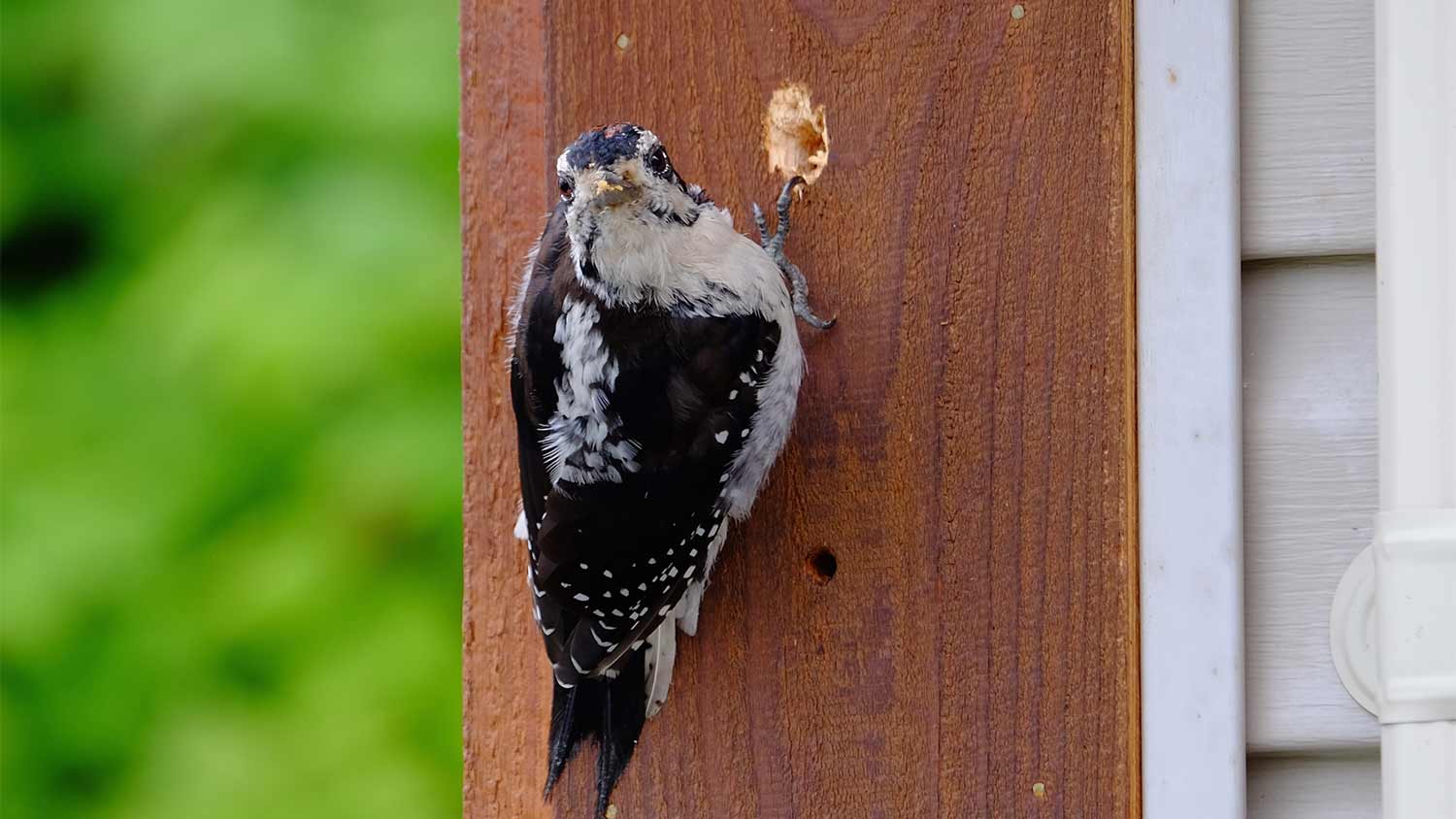
When woodpeckers start banging on your walls or roof, they are probably looking for insects to eat, storing nuts for winter, drilling a hole to make a nest, or communicating with other birds to establish territory or find a mate.
The size of the hole can help determine the reason for the pecking. Small irregular holes are a result of insect hunts. Acorn holes are more consistently sized and often fitted with a nut in the middle. Nest holes are large and have rounded edges. If the bird is pecking to mark its territory or attract a mate, it may leave dents rather than holes, and the noise will stop when the mating season starts in spring.
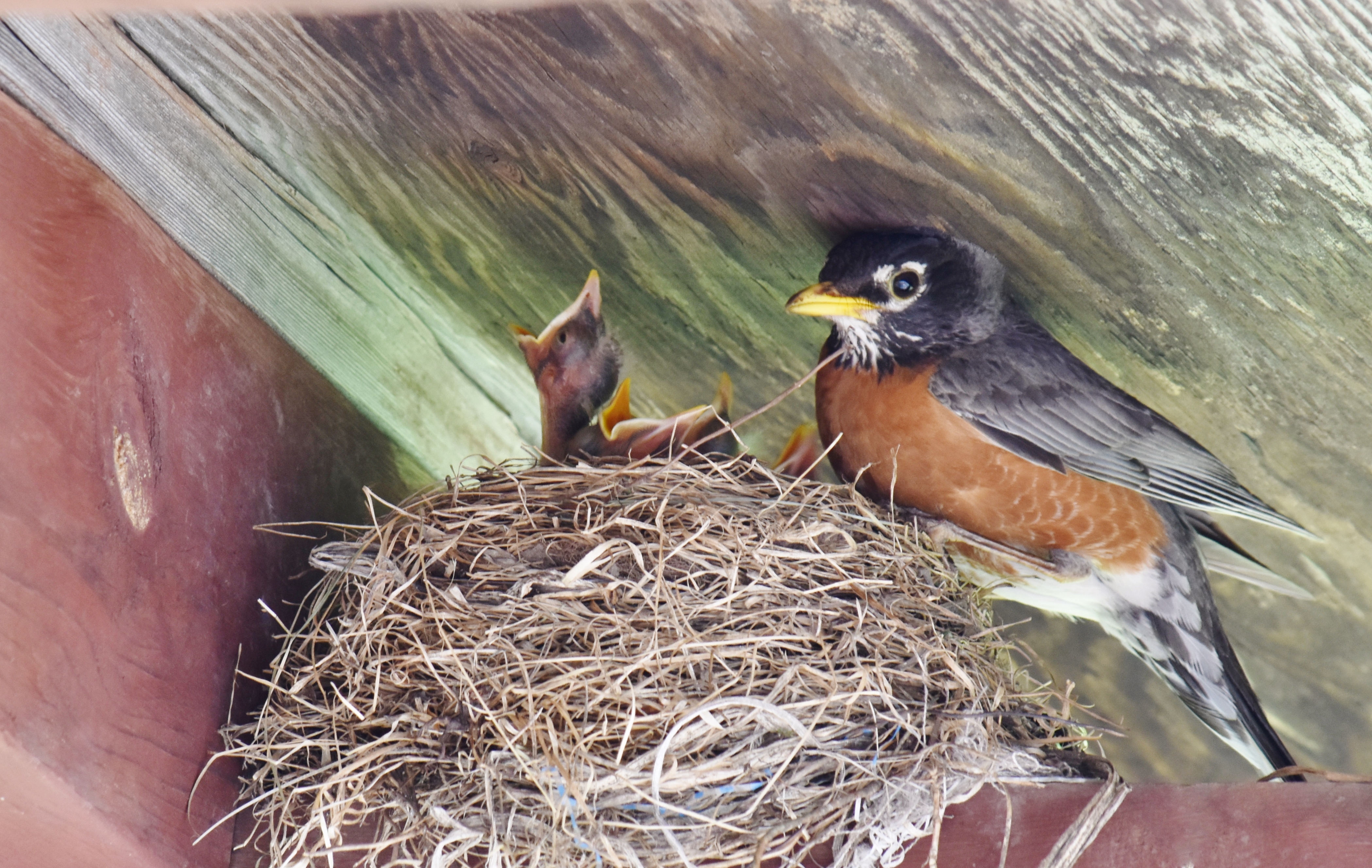
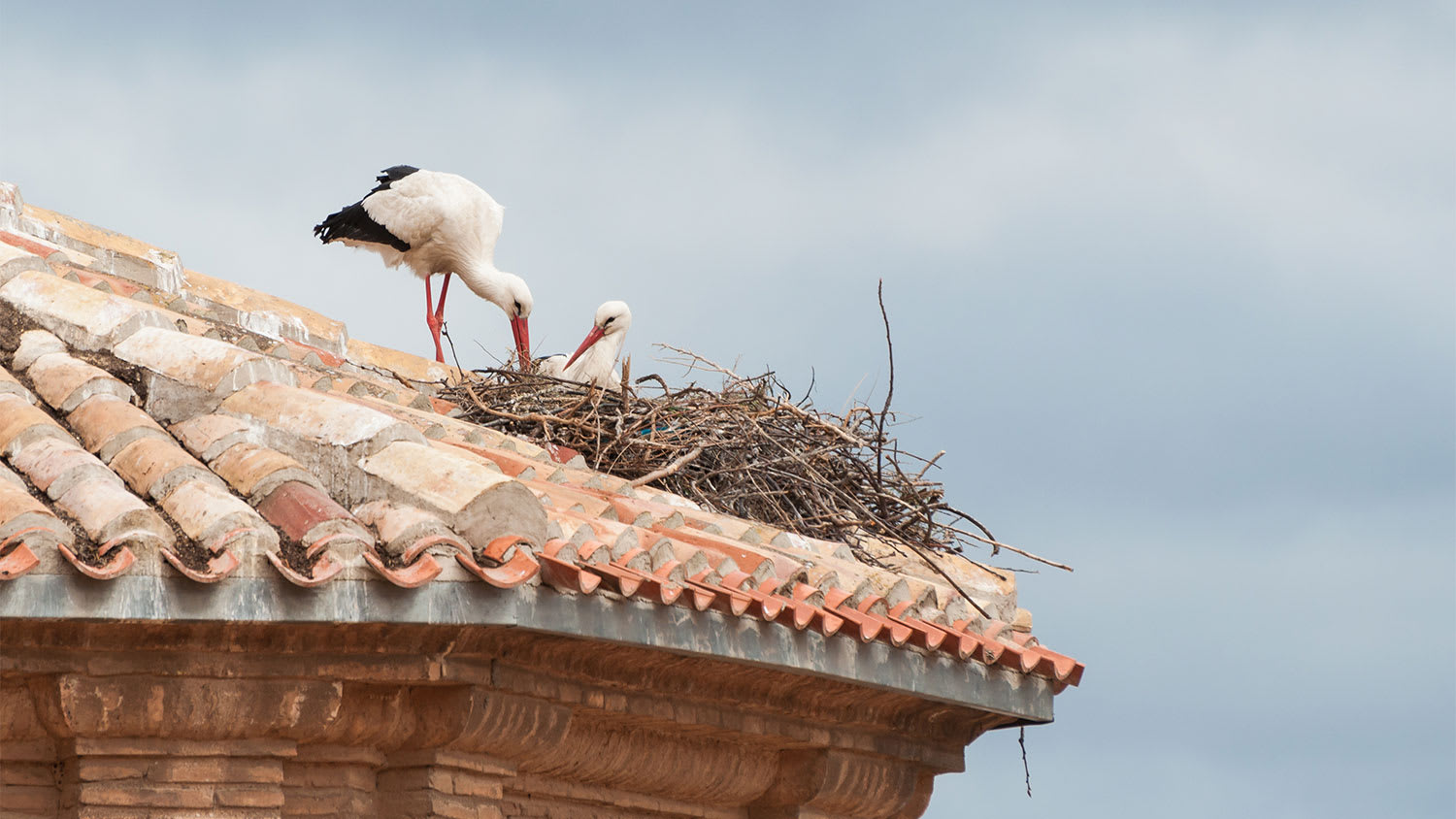
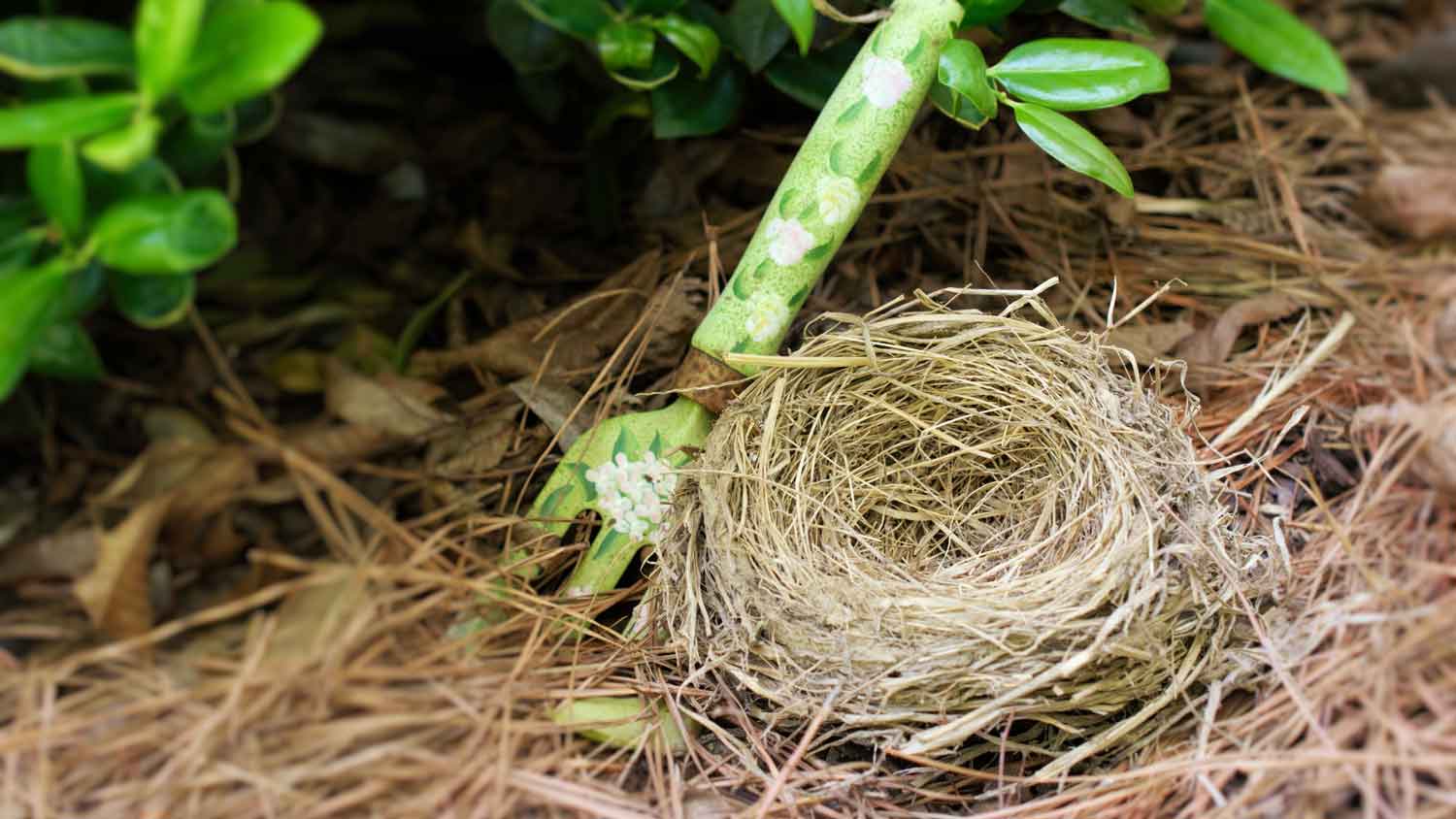
The lifespan of a bird's nest depends on the species. The building process can take from two days to three weeks. Once built, the nesting period for baby birds can last from two to ten weeks before they leave the nest. While most young birds are ready in two to six weeks, some predatory species may need up to two and a half months. Some species nest four to five times per year, so a nest could remain in use for several months. For specific information about a particular nest's longevity, it is best to consult a wildlife professional.
The Goshen, NH homeowners’ guide to bird control services
From average costs to expert advice, get all the answers you need to get your job done.
Sometimes birds nest in unwelcome places. Find out how much bird nest removal will cost based on factors like location, bird species, and preventative measures.