

Top-rated bird control service pros.

Best bird control service pros near Acworth, NH

Enter your zip and get matched with up to 5 pros

Need a pro for your bird control service project in Acworth, NH?

Select your specific project to find the pro for you.

TRUSTED BY ACWORTH, NH HOMEOWNERS

  • Average homeowner rating star icon4.9
    Average homeowner rating
  • Verified reviews icon17
    Verified bird control services reviews

Top-Rated Bird control service pros in Acworth - Updated Nov 2026

Birch Hill Critter Solutions
4.7(
218
)
Pest Control - Birds and BatsPest Control - Birds and Bats - For Business

Serving Acworth, NH and surrounding areas

Approved

Super Service Award Winner

In business since 2003

Emergency services offered

Warranties offered

"Bob replied to investigate a bird issue in my house, was able to come the next day and did a great assessment and explained options in detail. He a quick and safe extraction, thorough cleaning and properly closed off the access point to prevent future pest access. Highly recommend."
Response time5 hrs
Response rate89%
4 neighbors recently requested a quote

DeBow Wildlife Service
New to Angi
Pest Control - Birds and BatsPest Control - Birds and Bats - For Business

Serving Acworth, NH and surrounding areas

In business since 1996

Free estimates

Warranties offered

DeBow Wildlife Service provides a service of removing nuisance wildlife from commercial and residential properties. We have over 15 years of experience diagnosing and presenting long-term solutions for your wildlife problems. We specialize in the removal of squrriels, bats, beavers, skunks, raccoons. Our staff is professional and courteous to your needs. Call today for your free estimate!

Bird Control FAQs, answered by experts

An owl's worst enemy in the wild is often other raptors and environmental factors. Among the avian threats, larger owls or other birds of prey can pose a danger, engaging in territorial disputes or competing for food resources. Terrestrial predators like foxes, raccoons, and larger mammals may target owl nests or young fledglings. Environmental factors like severe weather conditions, habitat loss, and food availability changes can also significantly impact owl populations.

The lifespan of a bird's nest depends on the species. The building process can take from two days to three weeks. Once built, the nesting period for baby birds can last from two to ten weeks before they leave the nest. While most young birds are ready in two to six weeks, some predatory species may need up to two and a half months. Some species nest four to five times per year, so a nest could remain in use for several months. For specific information about a particular nest's longevity, it is best to consult a wildlife professional.

DIY removal of birds or bats is not recommended due to safety risks and potential legal protections for certain species. While simple prevention methods can be done yourself, actual removal and control of an infestation should be handled by professionals who are familiar with safe, humane, and effective techniques.

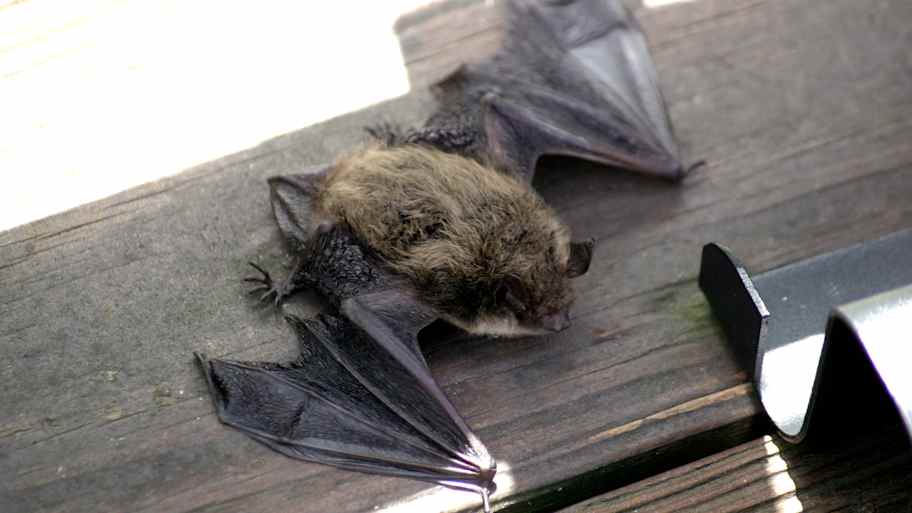
Finding a dead bat in your home can be frightening, even during spooky season. The United States Department of Interior states that if you find a dead bat, take these steps:

  • Contact your state wildlife agency to report the finding

  • Photograph the bat safely to help the wildlife agency determine the species

  • Use disposable gloves to place the bat into a plastic bag, making sure to spray with disinfectant and close the bag securely 

  • Thoroughly clean your hands and any clothing that came into contact with the bat

If you see one dead bat, you might have a large bat infestation that needs to be treated immediately. Call a local pest control company to properly inspect your home for other bats.

When woodpeckers start banging on your walls or roof, they are probably looking for insects to eat, storing nuts for winter, drilling a hole to make a nest, or communicating with other birds to establish territory or find a mate.

The size of the hole can help determine the reason for the pecking. Small irregular holes are a result of insect hunts. Acorn holes are more consistently sized and often fitted with a nut in the middle. Nest holes are large and have rounded edges. If the bird is pecking to mark its territory or attract a mate, it may leave dents rather than holes, and the noise will stop when the mating season starts in spring.

The Acworth, NH homeowners’ guide to bird control services

From average costs to expert advice, get all the answers you need to get your job done.