




Top-rated flooring contractors.

Best flooring contractors near Franconia, NH

Enter your zip and get matched with up to 5 pros

Need a pro for your flooring project in Franconia, NH?

Select your specific project to find the pro for you.

TRUSTED BY FRANCONIA, NH HOMEOWNERS

  • Average homeowner rating star icon4.5
    Average homeowner rating
  • Verified reviews icon28
    Verified flooring services reviews

Top-Rated Flooring contractors in Franconia - Updated Nov 2026

Avatar for NovoFloor LLC
NovoFloor LLC
4.7(
5
)
Concrete Floor Coating-Apply

Serving Franconia, NH and surrounding areas

Approved

In business since 2024

Free estimates

Warranties offered

"Matt is very responsive and skilled. He makes sure that the final job meets expectations. He worked hard off hours to get the job done on time, and I greatly respect that. Thanks, Matt!"
4 neighbors recently requested a quote
Recommended by100%of homeowners
Sonart Construction Corp.
2.3(
7
)
Concrete Floor Coating-ApplyVinyl or Linoleum Sheet Flooring or Tiles - InstallVinyl or Linoleum Sheet Flooring or Tiles - Install - For Business+2 more

Serving Franconia, NH and surrounding areas

Approved

In business since 2013

Free estimates

Credit card accepted

Sonart Construction Corp. has over15 years of experience in providing a variety of exterior and interior renovation services. We provide services to Palm Beach, Broward and Miami-Dade Counties.. We specialize in Bathroom Remodeling, Kitchen Remodeling, Flooring and the list goes on. Customer satisfaction is what determines our success, which is why we take a hands-on approach and keep the customer informed through every phase of the project. When interacting with our company, you'll notice that we're particularly focused on the principles of quality workmanship, timely completion, competitive pricing, and integrity in all our business dealings. We combine knowledge and research with our extensive practical experience to ensure a specialized approach for your renovation needs. Give us a call today!

...
Showing 1-10 of 71
Flooring Installation FAQs, answered by experts

It’s possible to reuse household materials to cover floors, but they won’t provide the same level of protection as dedicated materials. They’re also more difficult to tape down and more prone to slipping and bunching up—and any dirt or debris on them could scratch or stain your floors. That being said, extra materials like these can be useful for protecting the sides of furniture and placing in areas that could use added protection.

While it is possible to install carpet yourself, it is a challenging DIY project that requires precise measurement, proper cutting skills, and knowledge of correct installation techniques. The process involves multiple steps, including removing old flooring, installing underlayment and tack strips, and stretching the carpet to prevent wrinkles, which can take several days to complete.

Before starting, consider these factors:

  • Warranty: Many manufacturers' warranties are voided if the carpet is not installed by a professional.

  • Tools: You will need to buy or rent specialized equipment like a knee kicker, carpet stretcher, and seam roller.

  • Complexity: DIY installation is most suitable for simple, straightforward rooms. Projects involving stairs or floor vents are significantly more difficult.

  • Cost: While you can save on labor, the cost of tools plus the risk of expensive mistakes—which may require re-installation—can make hiring a professional more cost-effective in the long run.

Given the potential for errors, voided warranties, and the need for special tools, hiring a local carpet installer is often recommended to ensure the job is done correctly and safely.

Laminate flooring takes about 24 to 48  hours to settle. Before this, planks are not completely acclimated to your home, and walking on them could cause shifting and permanent damage to the flooring. You should allow floorboards to acclimate for 48 to 72 hours before installing so that they can adjust to your home’s humidity and temperature levels, but they will continue to acclimate and settle after installation. For this reason, avoid placing any furniture in the room for 72 hours after installation.

Your floors will continue to settle for a few months after installation, becoming less bouncy as they rest.

A subfloor's lifespan can range from 30 years to the entire life of the house, which is often between 50 and 100 years. The actual longevity depends on the material and its protection from damage. For example, while OSB may last longer than plywood, it is not the best choice for heavy flooring like ceramic tile. The most critical factor is moisture; a subfloor that avoids water damage, mold, and termites can last for decades. However, prolonged exposure to moisture will cause it to warp, rot, or grow mold, significantly shortening its life.

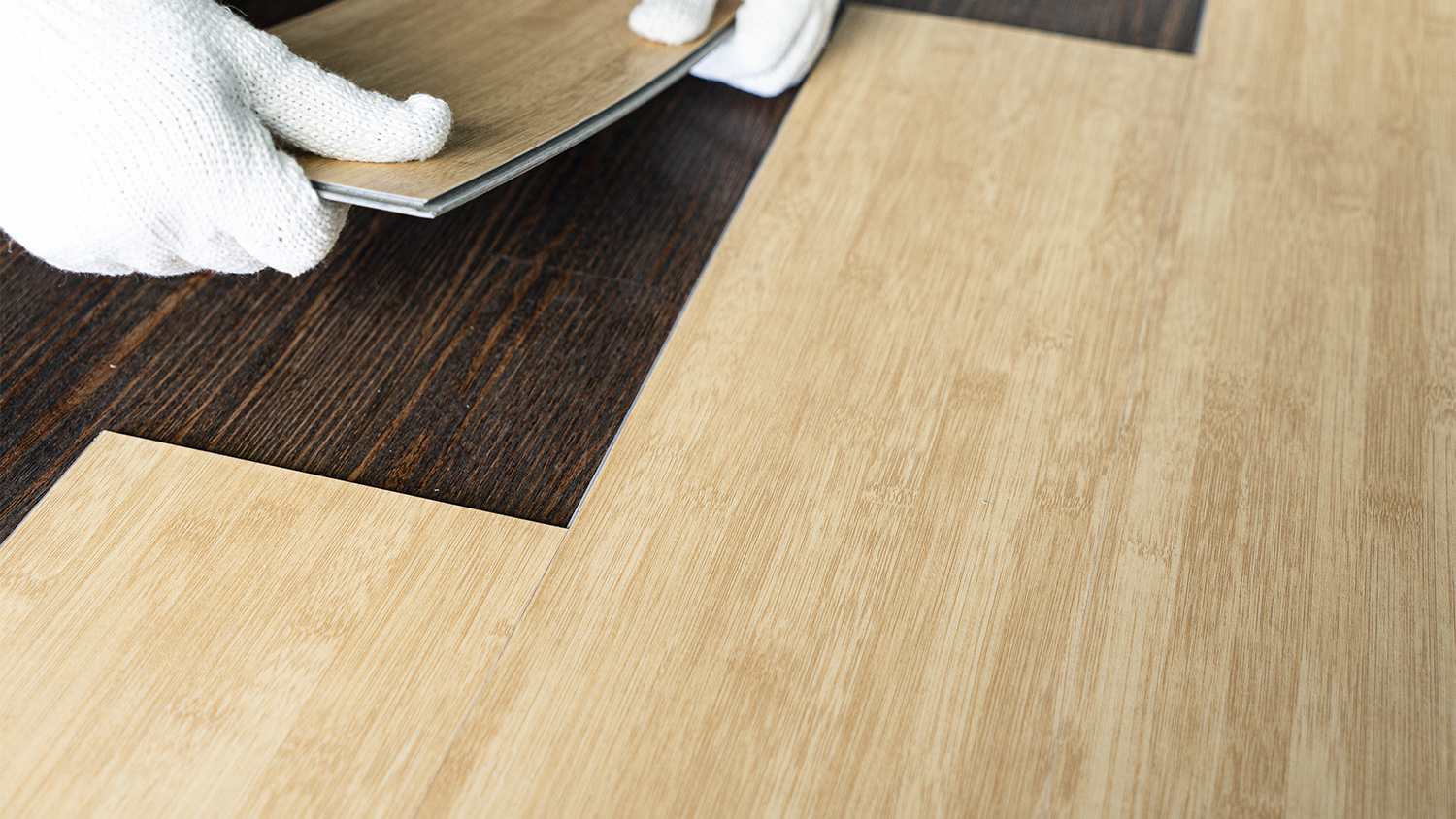
Start the first row of vinyl planks along the longest or most visible wall in the room. This will create a clean, straight foundation row to build off of. Snap a chalk line to guide the first row, and use spacers for the most precise installation—these maintain an even extension gap between the flooring planks and the wall. Finally, double-check that the first row is level before moving on to the second row. If it’s not, start over and get it right before completing the rest of the floor.

The Franconia, NH homeowners’ guide to flooring services

From average costs to expert advice, get all the answers you need to get your job done.