
Top-rated tree service pros.

Get matched with top tree service pros in Deering, NH

Enter your zip and get matched with up to 5 pros

Need a pro for your tree service project in Deering, NH?

Select your specific project to find the pro for you.

TRUSTED BY DEERING, NH HOMEOWNERS

  • Average homeowner rating star icon4.7
    Average homeowner rating
  • Verified reviews icon98
    Verified tree services reviews

Find Tree service pros in Deering

Avatar for Leafy Tree
Leafy Tree
5.0(
29
)
Tree RemovalTree Trimming

Serving Deering, NH and surrounding areas

Approved

In business since 2021

Free estimates

Offers commercial services

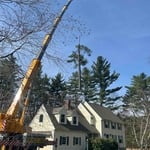
"Leafy Tree Service was a very knowledgeable-and experience service who had excellent pruning techniques and left our yard spotless after taking down two large pine trees an A Plus for the work"
White pine removal
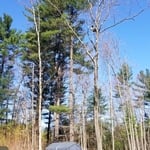
White pine removal
White pine removal
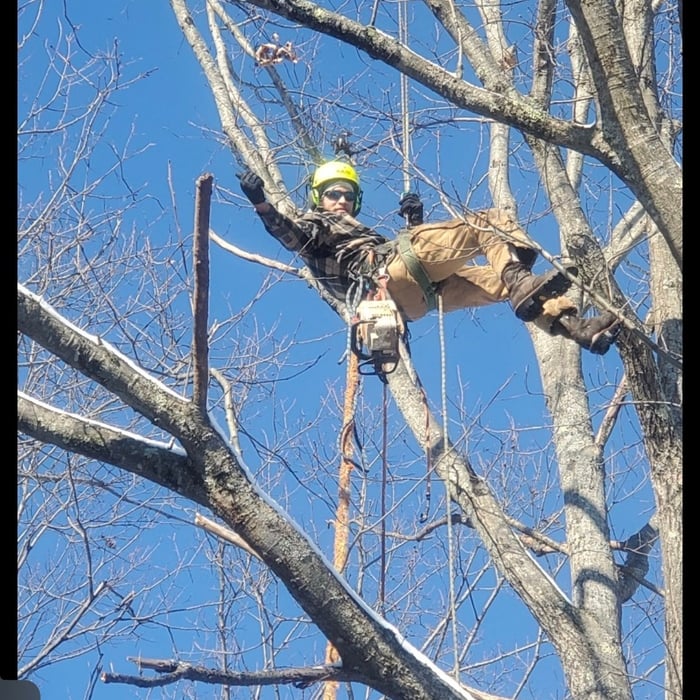
Pruning a maple tree

+9

Response time3 days
Response rate94%
4 neighbors recently requested a quote
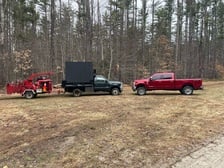
Hooper's Tree Service Inc.
5.0(
5
)
Tree RemovalTree Removal - For BusinessTree Trimming+5 more

Serving Deering, NH and surrounding areas

Approved

In business since 2017

Credit card accepted

Customers say: True professional

"Everything was great from start to finish. Very reasonably priced. The huge pine we had removed was over 100 feet tall. They had all the necessary equipment to skillfully cut down the tree. It was amazing to watch. We highly recommend Hooper's Tree Service. George E."
6 neighbors recently requested a quote

Recommended by80%of homeowners
Avatar for Sato Solution Inc
Sato Solution Inc
New to Angi
Tree RemovalTree Stump - RemoveTree Trimming+2 more

Serving Deering, NH and surrounding areas

Approved

Free estimates

Emergency services offered

Small jobs welcome

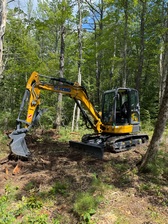
At Sato Solution, we are a family-owned and operated tree service company committed to providing safe, reliable, and professional tree care. We specialize in tree removal, trimming, pruning, stump grinding, and storm cleanup for residential and commercial properties.\n\nWe take pride in delivering quality workmanship, fair pricing, and outstanding customer service. As a local family business, we treat every property with care and work hard to earn the trust of our customers.\n\nContact us today for a free estimate and let us help keep your property safe and looking its best.\n

8 neighbors recently requested a quote
...
Showing 1-10 of 70
Tree Service questions, answered by experts

Some people prefer to leave or even carve a leftover stump, but we recommend removing it if possible. You can often dig out smaller trunks with a shovel once they have died and dried out. You can have stumps professionally removed, or request a service to grind them down to ground level so they can be replaced with other landscaping or objects.

Coverage varies quite a bit by policy, but most homeowners' insurance policies will cover $500 to $1,000 of the cost of removing a tree. Additionally, if your tree causes damage to your property, like your house, many policies will cover some or all of the costs to repair the damage, depending on why the tree fell.

Aside from removing dead or diseased branches, you should prune your trees somewhere between every one and three years. Some people—particularly commercial farmers—prune their apple trees yearly to produce higher yields. This is the best way to promote tree health. That said, the average homeowner can get away with hard-pruning their mature apple tree every other year or every three years. 

It’s not as common for Dutch elm disease to affect other types of trees, especially if the surrounding trees aren’t elms. However, it is possible for DED to spread to other trees, particularly in northern states, like Minnesota. In fact, it’s a good idea to use geography to identify wood and determine which types of trees are in your yard. 

Unfortunately, the complex and shallow root system of elm trees makes surrounding elm trees particularly vulnerable to DED. Early discovery is key!

Deciduous shade trees (the type of trees whose leaves fall off in autumn) need to be pruned in late winter—between February and March. That’s because it’s easier to find and remove sick or dead branches when no leaves are present. And wounds close and heal faster in colder temperatures so pruning them at this time also makes them less prone to infection.

The Deering, NH homeowners’ guide to tree services

From average costs to expert advice, get all the answers you need to get your job done.