Top-rated excavation pros.

Get matched with top excavation pros in Barrington, NH

Enter your zip and get matched with up to 5 pros

Need a pro for your excavation project in Barrington, NH?

Select your specific project to find the pro for you.

TRUSTED BY BARRINGTON, NH HOMEOWNERS

  • Average homeowner rating star icon4.7
    Average homeowner rating
  • Verified reviews icon45
    Verified excavation services reviews

Find Excavation pros in Barrington

Gagnons Excavating, LLC
4.8(
4
)
Building Site - Preparation and ClearingLandscape - Minor Grading or Resloping

Serving Barrington, NH and surrounding areas

Approved

In business since 2012

Free estimates

Customers say: Quick response

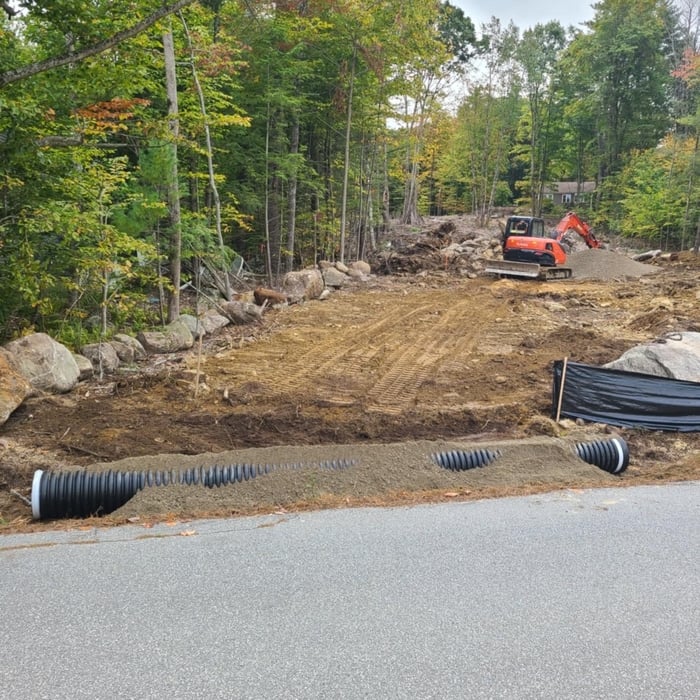
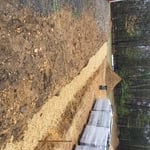
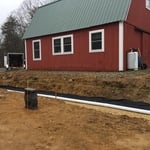
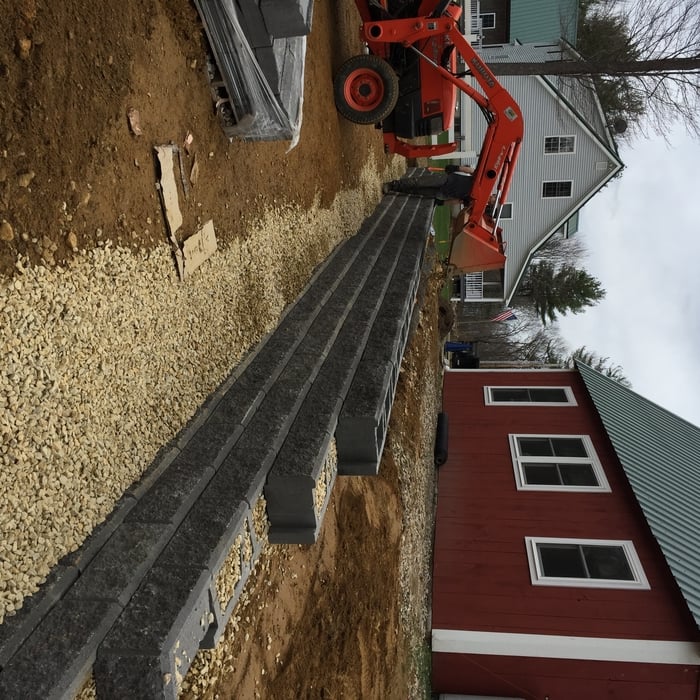
"I really appreciated the great excavation and fill work that Roland Gagnon did for me. This was a driveway drainage project that required low spot filling and proper grading of the area. The driveway now has the proper slope and is draining properly. Roland went above and beyond my expectations, he will be my first call for any future work."
Response time1 day
Recommended by100%of homeowners
...
Showing 1-10 of 138
Excavating questions, answered by experts

Yes, you can excavate in the winter, but it might make the job harder. Frozen ground is harder to dig, and snow or ice can make the work site more hazardous. A contractor may need special equipment and techniques, such as ground-thawing methods, to break through frozen soil. Although winter excavation is possible, it may take longer and be more costly than excavating during warmer months.

Trenching and boring are two distinct methods for installing underground utilities. Trenching involves digging a channel using equipment like an excavator, trencher, backhoe, or shovel. While it is a simpler process, it causes significant disruption to the surface, landscaping, and surrounding ecosystems.

Boring, also known as directional boring, is a less invasive alternative that uses a drill to create a tunnel for utility lines without disturbing the surface. This method is more precise and is ideal for installations that need to go underneath buildings, roads, or bodies of water. Although boring is less disruptive, it is generally more expensive than trenching.

Most residential basements are 8 to 10 feet deep. You can dig deeper depending on building codes, but it does become more difficult. You’ll likely need to install stronger foundation walls and additional supports to handle the increased load. Depending on the water table, you may also need a water management system. Clay soil can support a deeper foundation than sandy soil. A structural engineer will be able to tell you the maximum, feasible depth.

Digging a bush up by the roots is the most natural DIY method for removing a bush stump. Start by identifying the shrub type and revealing its roots. Cut the shrub to its base and loosen the soil, ensuring no utility lines are nearby. Optionally, treat the base with herbicide, then dig around the roots and cut a circle around the shrub using various tools. Dig a trench, cut the base of the root ball, and finally fill the hole to prevent regrowth. This thorough process ensures complete removal without damaging surrounding areas.

Excavation and grading are both generally necessary for designing your foundation, and leveling the ground where your foundation will go. These steps can also prepare the area by removing vegetation and anything else that could interfere with your home’s foundation.

The Barrington, NH homeowners’ guide to excavation services

From average costs to expert advice, get all the answers you need to get your job done.