

Top-rated asbestos removal specialists.

Get matched with top asbestos removal specialists in Sutherland, NE

Enter your zip and get matched with up to 5 pros

Need a pro for your asbestos abatement project in Sutherland, NE?

Select your specific project to find the pro for you.

Find Asbestos removal specialists in Sutherland

High Plains Roofing, LLC
4.5(
1
)
Asbestos Siding - Repair

Serving Sutherland, NE and surrounding areas

In business since 2019

Free estimates

"Lewin from High Plains Roofing is very precise and meticulous in everything he does. The quality and standard of his work made Lewin stand apart from his competitors. He is very polite, professional, and friendly. He makes sure everything is clear in his communication, and is very quick to follow up and fix any issues that may arise."
Response time2 days
Recommended by100%of homeowners
Asbestos Removal questions, answered by experts

Most manufacturers stopped putting asbestos in linoleum before 1980 due to public concerns about its toxicity. However, the Environmental Protection Agency (EPA) didn’t ban asbestos-containing products until 1989, and a comprehensive ban was not announced until 2024. This means that homes built after 1989 may still have asbestos in their flooring.

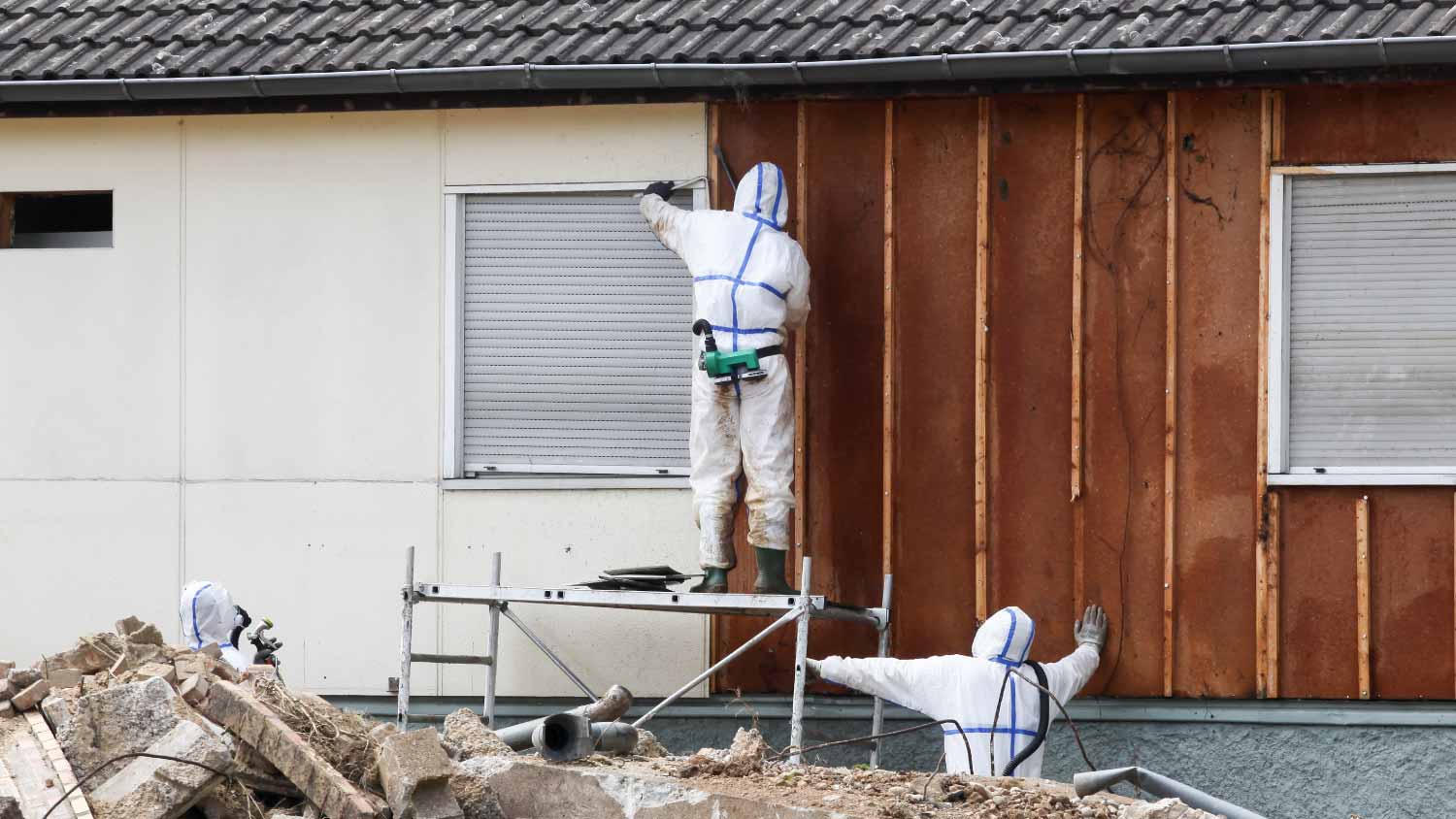
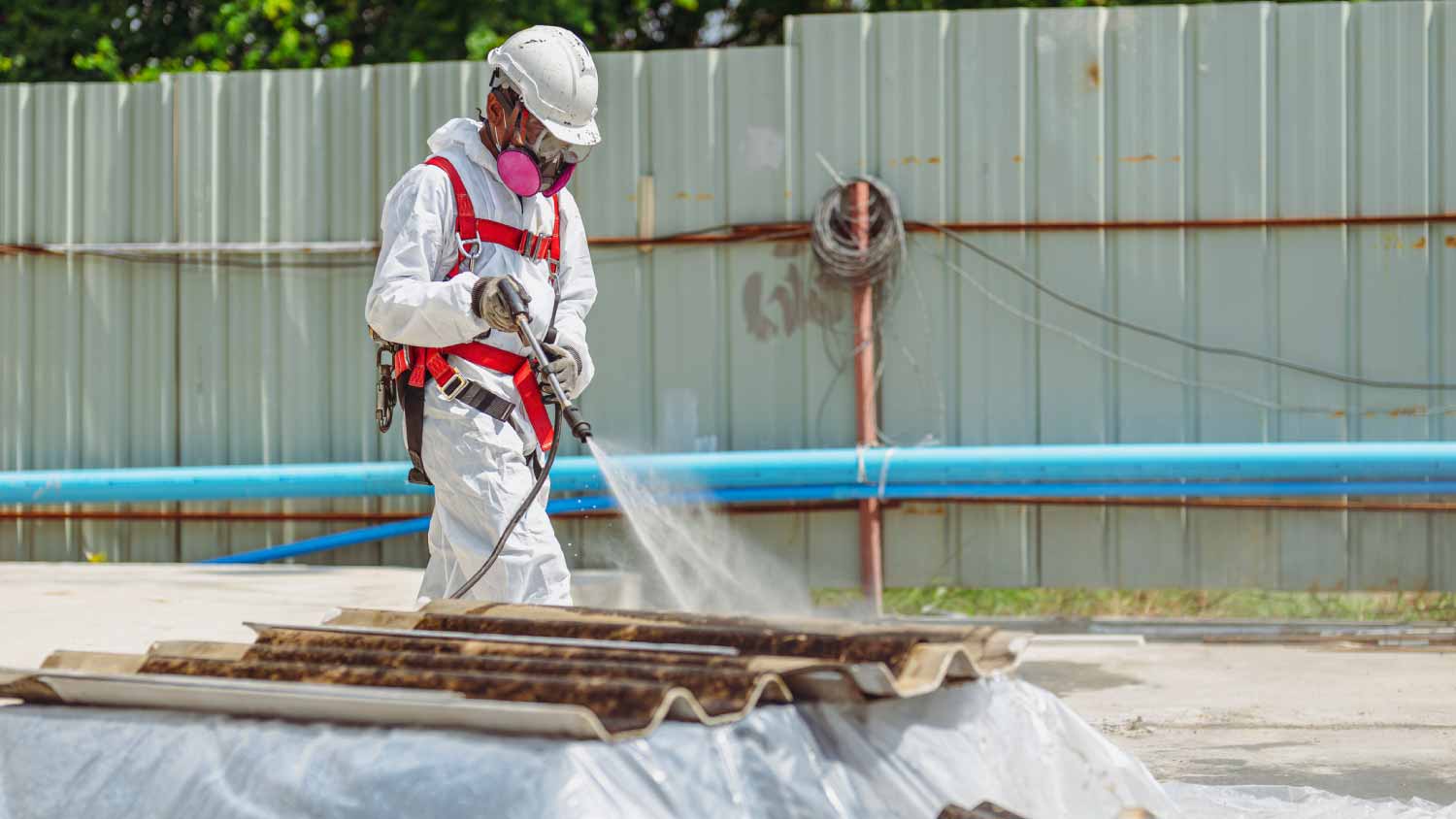
Asbestos-containing materials are not easily affected by water and do not disintegrate or dissolve when exposed to it. However, porous materials can deteriorate due to water exposure, leading to the release of asbestos fibers into the air. The settling of asbestos fibers can also occur as water makes them heavy, which reduces the risk of airborne exposure, though future disturbance of the materials could cause risk. Wetting asbestos-containing materials does not constitute safe removal, and the proper handling and disposal of asbestos materials should be left to professionals.

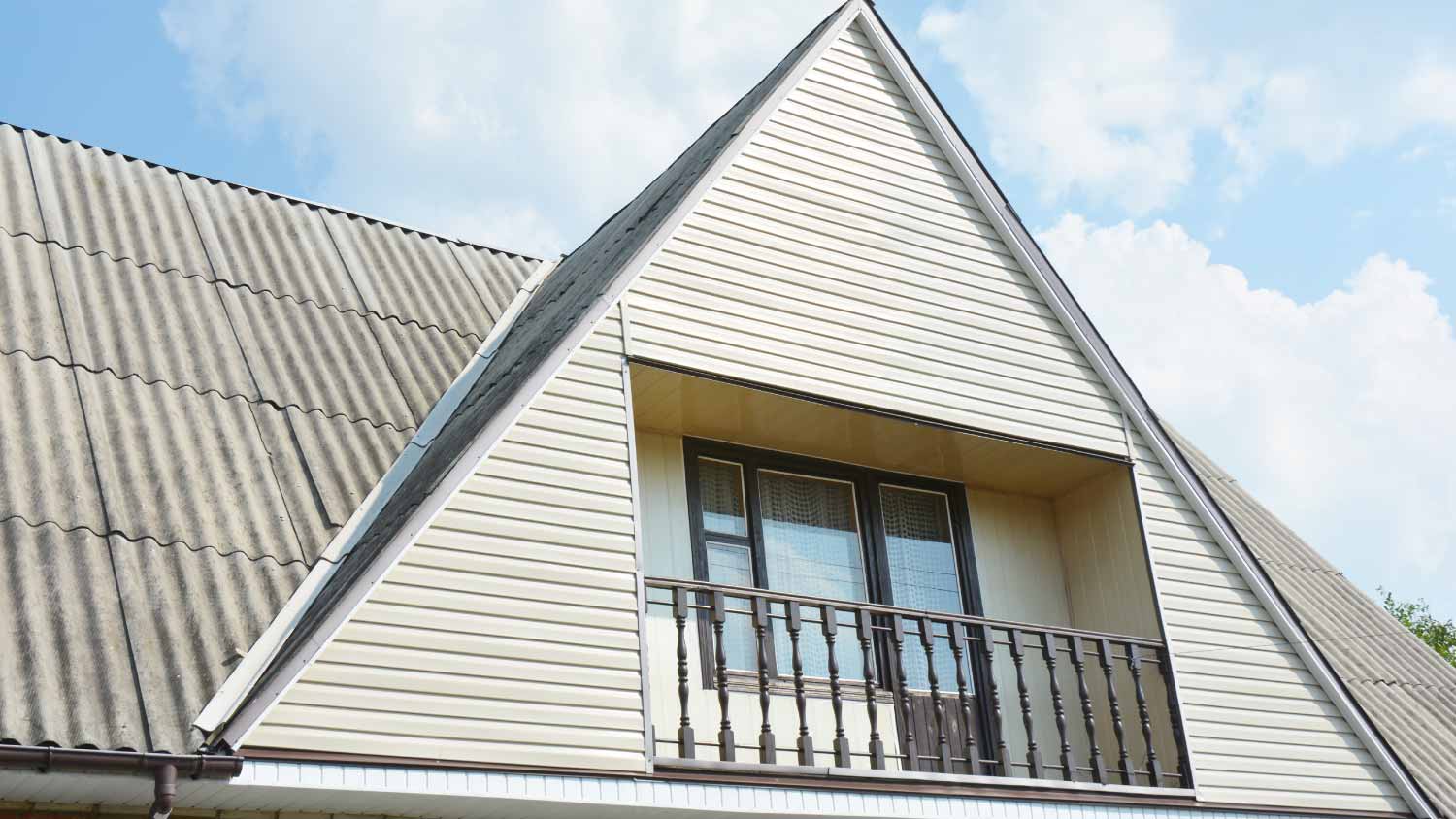
In the 1980s, the use of asbestos in house siding materials underwent a significant decline, ultimately being phased out by the mid-1980s to early 1990s. This change was largely due to a growing awareness of the severe health risks associated with asbestos exposure, particularly its link to lung diseases and cancers. With increased public concern and regulatory agency involvement, building codes and regulations were updated to restrict the use of asbestos in construction materials. 

According to the Environmental Protection Agency (EPA), hazardous waste is generally classified into four main categories:

1. Characteristic Wastes: These exhibit at least one of four hazardous traits: ignitability (flammable, like gasoline), corrosivity (can rust or decompose materials, like car batteries), reactivity (unstable and can explode, like aerosol cans), or toxicity (harmful when ingested, like lead-based paint).

2. Listed Wastes: These are specific wastes from manufacturing and industrial processes that the EPA has officially designated as hazardous. They include byproducts from processes that use solvents, pesticides, and other chemicals.

3. Universal Wastes: These are commonly generated hazardous items that are subject to streamlined regulations. Examples include batteries, pesticides, mercury-containing equipment (e.g., bulbs), and some lamps.

4. Mixed Wastes: This category includes waste that contains both hazardous and radioactive components, making it subject to regulation by both the EPA and the Nuclear Regulatory Commission.

If you think you’ve touched asbestos, do not put on a mask. This is important because you may take the asbestos fibers on your hands on trap them in the mask. Make your way to a sink and wash your hands thoroughly. Remove any clothes and seal them in a bag, then take a shower. Call your doctor and let them know you’ve been exposed to asbestos, and make sure you see them as soon as possible. The reason you keep the clothes is in case anyone wants to confirm the presence of asbestos.

The Sutherland, NE homeowners’ guide to asbestos removal services

From average costs to expert advice, get all the answers you need to get your job done.