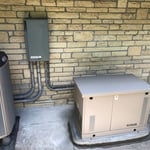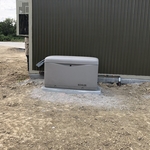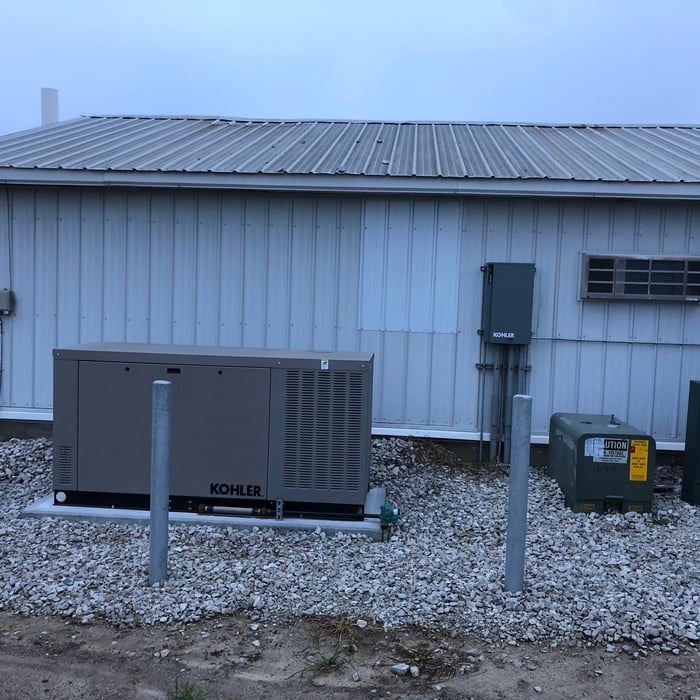

Top-rated generator install pros.

Get matched with top generator install pros in Laurel, NE

Enter your zip and get matched with up to 5 pros

Need a pro for your generator install project in Laurel, NE?

Select your specific project to find the pro for you.

Find Generator install pros in Laurel

Avatar for JP Electric, Inc.
JP Electric, Inc.
5.0(
21
)

Serving Laurel, NE and surrounding areas

In business since 2004

Free estimates

Emergency services offered

"Great Install of the generator. Finished the job in less than one day and my power was only off for 2 hours. Generator is working fine. Also did a thorough clean-up after installing. All questions about operation were answered in detail."
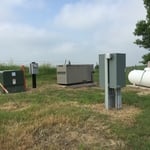
Kohler 48RCL
KOHLER 20RESD
KOHLER 20RESC
KOHLER 60KW industrial
Kohler 48RCL

+22

Response time1 day
Response rate89%
Recommended by95%of homeowners

Generator Install questions, answered by experts

If you’re wondering whether gas generators produce carbon monoxide, know that natural gas generators do not produce carbon monoxide if they are functioning properly, as natural gas burns cleanly. However, if the generator malfunctions and the gas does not burn completely, there is potential for carbon dioxide to be produced. To prevent malfunctions, it's crucial to perform regular maintenance, including running the generator weekly and scheduling professional inspections every 6 to 12 months. Also, be sure to test your carbon monoxide detectors regularly to ensure they function in the rare case of the generator producing carbon monoxide.

To determine the right size generator for your house, you should calculate the total wattage of the appliances and devices you want to power during an outage. List all essential items, note their start-up wattages, and add them together.

Here are some typical wattage requirements for common appliances:

  • Refrigerator: 600 watts

  • Large dehumidifier: 700 watts

  • Large window air conditioner: 1,400 watts

  • Water heater: 3,000 to 4,500 watts

  • Electric furnace: 5,000 to 25,000 watts

A 7,500-watt generator might be sufficient for essentials like a refrigerator, freezer, well pump, and lighting circuits. However, for high-demand items like a water heater or furnace, a whole-home generator is a better choice. A portable generator may be enough if you only need to power a few critical items.

While home square footage can offer a rough estimate, it is not always a reliable indicator. For reference, here are some typical generator sizes based on square footage:

  • 1,000 sq ft: 6–9 kW

  • 1,500 sq ft: 7–10 kW

  • 2,000 sq ft: 10–14 kW

  • 2,500 sq ft: 12–16 kW

  • 3,000 sq ft: 16–20 kW+

For the most accurate sizing, consult a professional who can calculate your home's peak and average power consumption and recommend the optimal generator.

While natural gas generators are costly, they’re a great option for standby power due to the reliability of natural gas as a fuel source. Unlike other fuels, natural gas is delivered through underground pipes, making outages extremely rare and less likely to be affected by the elements. As long as the area isn’t prone to earthquakes, they offer an unlimited supply of natural gas that doesn’t degrade over time or require storage in tanks.

Homeowners can often access federal tax credits, such as the Investment Tax Credit (ITC), which covers a percentage of installation costs. Many states and utilities offer additional rebates, grants, or performance-based incentives. These programs can significantly lower your upfront investment. Check the Database of State Incentives for Renewables and Efficiency (DSIRE) or contact your local energy office for current offers.

As a safety measure, you should always turn off the main breaker while operating your generator’s backup breaker. In addition, you should also switch off all appliance breakers so you don't have a power surge when the main breaker turns back on. And finally, turning off the main breaker prevents back-feeding, which endangers utility workers with the risk of electrocution. Back-feeding could also destroy the electrical circuits of your neighbors if they use the same power network.

The Laurel, NE homeowners’ guide to generator installs

From average costs to expert advice, get all the answers you need to get your job done.