Lopez Construction is a family owned and operated company that takes pride in the work we do. We care about our customers and getting the job done in a timely manner. Give us a call for your free estimate today.
GM Concrete is committed to excellence in every aspect of our business. We uphold a standard of integrity bound by fairness, honesty and personal responsibility. Our distinction is the quality of service we bring to our customers. Accurate knowledge of our trade combined with ability is what makes us true professionals. Above all, we are watchful of our customers interests, and make their concerns the basis of our business.
Carpet Installation questions, answered by experts
Costs depend on carpet quality, labor, underlayment, and furniture moving requirements.
The complexity of installation depends on the type of flooring you choose and the level of expertise required to install it. While some materials, like vinyl or laminate, offer relatively straightforward installation processes suitable for DIY enthusiasts, others, such as natural stone or hardwood, often require professional assistance from a flooring company to ensure proper fitting and longevity.
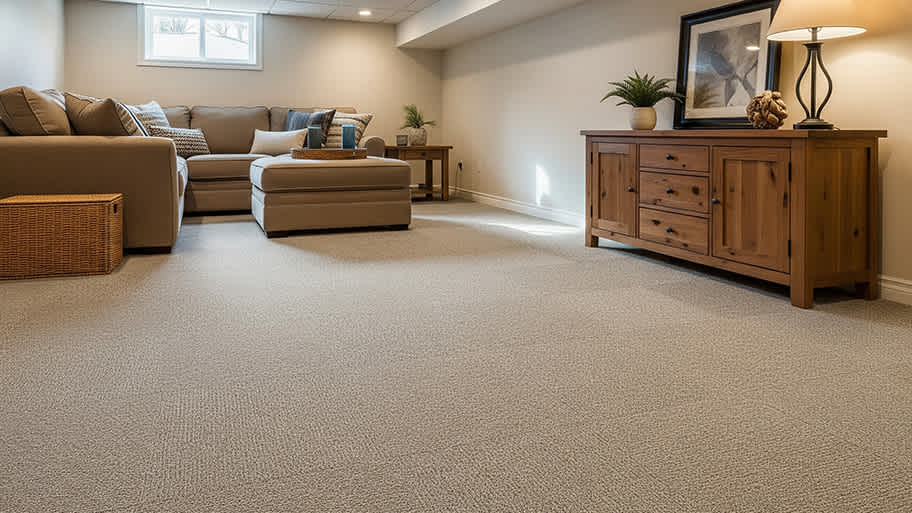
Carpet density refers to how closely together the fibers of a carpet are stitched into the carpet backing, with values ranging from 1,000 to 7,000. A carpet density value of 3,000 or higher is considered best for most homes, especially in high-traffic areas, such as a living room or dining room. If you’re comparing two carpets made of the same material, a higher carpet density can indicate better durability and longevity. However, carpet density is only one of many factors that can help you determine a carpet’s quality.
Nylon carpet is widely considered one of the most durable and longest-lasting options, typically lasting 12 to 15 years. Its durability comes from its high resistance to wear, tear, stains, fading, and abrasions. It also resists liquid spills, insects, mold, and mildew, making it ideal for high-traffic areas like living rooms and hallways. For even greater longevity, frieze or Berber carpets are excellent choices that can last up to 20 to 25 years.
Beyond the material, a carpet's construction is key to its durability. Low-pile carpets with short, tight loops hold up better against wear than high-pile options. As a synthetic material, nylon is available in a vast range of colors and styles and often feels remarkably soft.
Avoid plush, high-pile, or thick carpets on your stairs because they can increase the risk of slipping and wear down quickly in busy homes. Also, ensure the carpet you install is stain-resistant, particularly if you select a light color.
The Spalding, NE homeowners’ guide to carpet installation
From average costs to expert advice, get all the answers you need to get your job done.
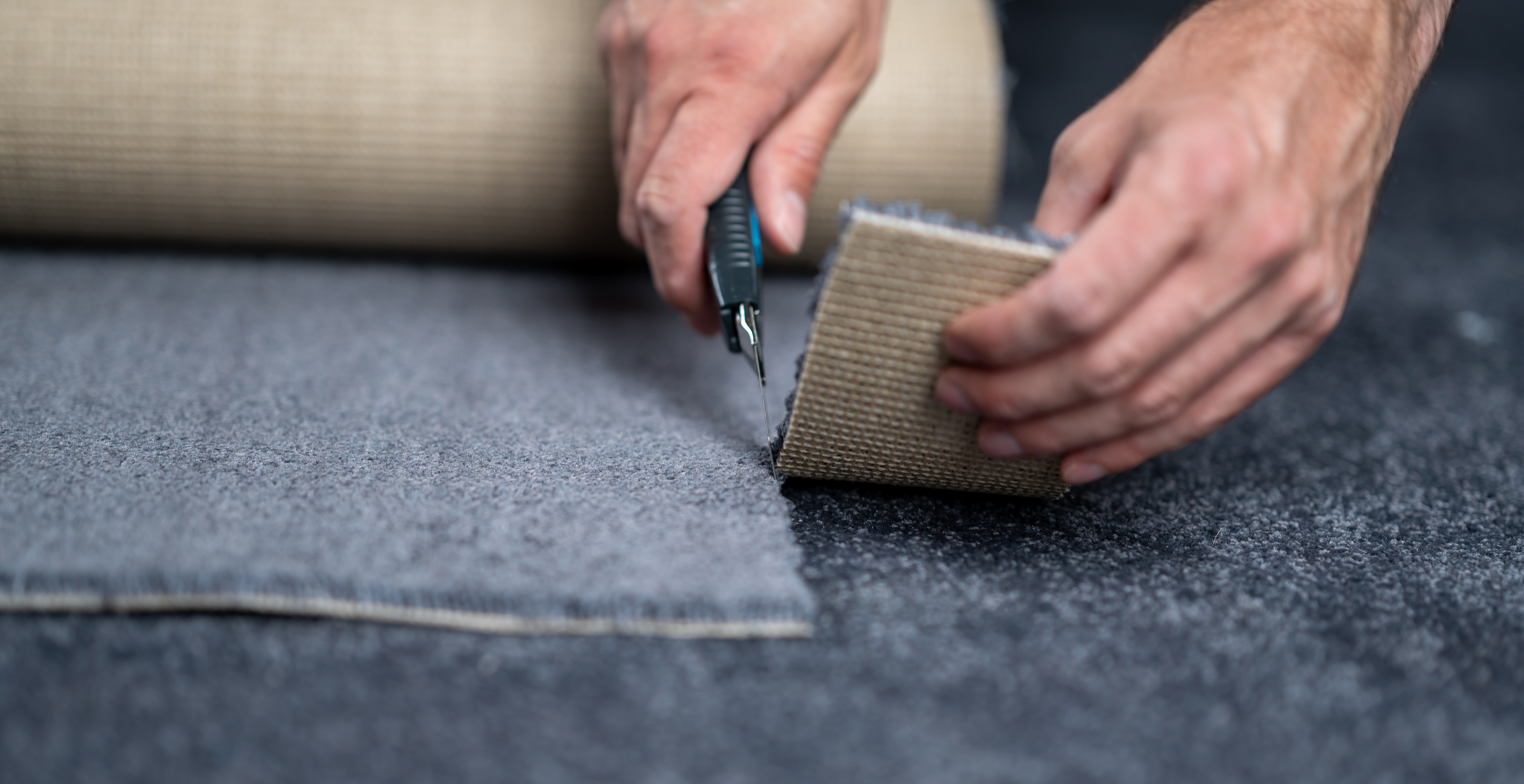
Not only are carpet tiles easier to install than carpet, but they’re often more affordable. So, how much does carpet tile installation cost? Let’s take a look.