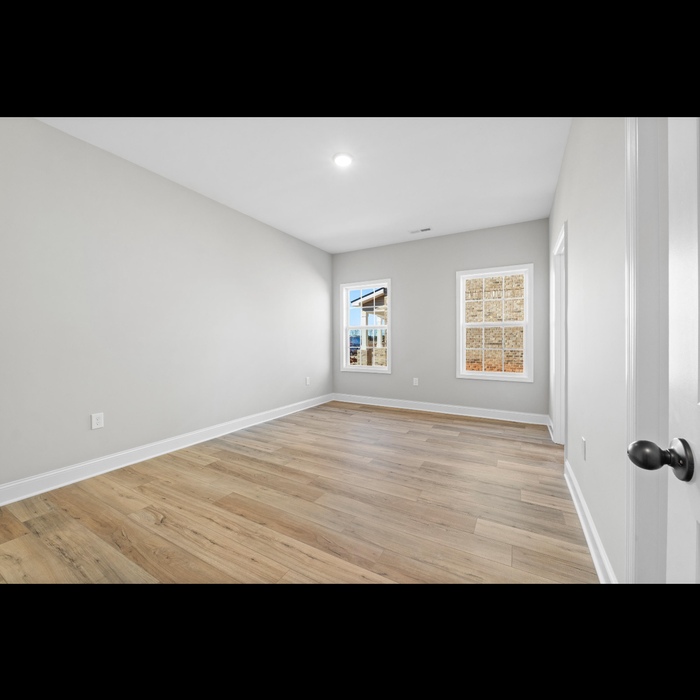
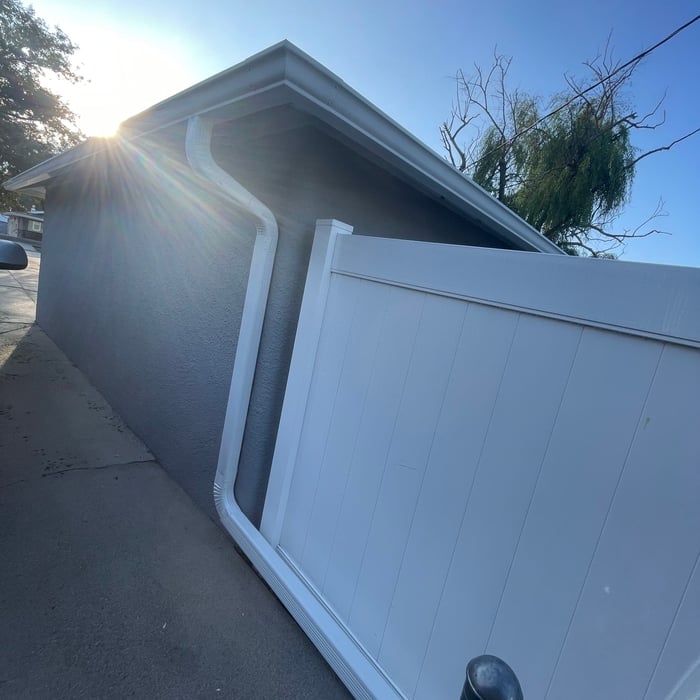
"Excellent work from start to finish. He built everything exactly how I wanted it, with outstanding craftsmanship and attention to detail. The quality is top-notch, and I couldn?t be happier with the finished product. I highly recommend him to anyone looking for a skilled and dependable welder."
"I worked with him doing drywall for Miriams Hope and had him pour our concrete driveway. He worked in the evening after he was done with his regular job. His dad & crew helped on the day of the pour. The final results were great. Highly recommend him."
"I called to set up an appointment and he came the next day. Did an excellent job. Very nice friendly and professional. The cost was very reasonable. He also inspected our roof for us and took pictures so we could see any damage. We would definitely use him again."
We pride our company on reliability, great communication, integrity, and quality work. We are experts in our trade and will do our best to keep you as educated as we can on your particular task or project. We look forward to earning your business! Feel free to book online with us today!
Burns Construction, is a full service general contracting firm operating in the greater SW NE area for many years. We pride ourselves in our attention to detail and our unsurpassed customer service. The quality of our work speaks for itself and we look forward to working with you on your next project.
A handyperson is the professional term used to describe professional fixers who can tackle a wide range of general home repairs. Some pros may prefer to use the term handyworker, handyman, or handywoman, so we recommend politely asking your pro how they would like you to identify them during the project.
The cost to hire a handyman can vary, with most charging on a per-hour or per-project basis. On average, expect to pay between $50 and $150 per hour, with a typical rate around $90 per hour. For project-based work, the average cost is about $400, though the total can range from as low as $180 to $1,500 or more. Some handypeople may also require a minimum flat rate, such as payment for two hours of work.
Several factors influence the final cost, including:
The type, size, difficulty, and complexity of the job
The amount of time the work takes
The handyman's experience level
Your geographic location
The cost of materials and any necessary permits
Accessibility of the work area and potential travel costs
Additionally, you may encounter higher rates or extra fees for emergency services or work scheduled during holidays.
Pros save time and ensure quality by handling complex tasks and repairs efficiently.
Rates vary by task complexity and time, often providing cost-effective solutions for homeowners.
While handypeople do not need to be licensed in many places, you should only hire insured pros for any home improvement work. Your handyperson should have active liability coverage that protects them and you in the case of an error or accident. Furthermore, if they have employees on your property, they should also have workers’ compensation insurance. If you hire an individual or a company that is not insured and they damage your property, have an accident while on the job, or become injured on your property without insurance, you can be held financially liable.
The Overton, NE homeowners’ guide to caulking services
From average costs to expert advice, get all the answers you need to get your job done.
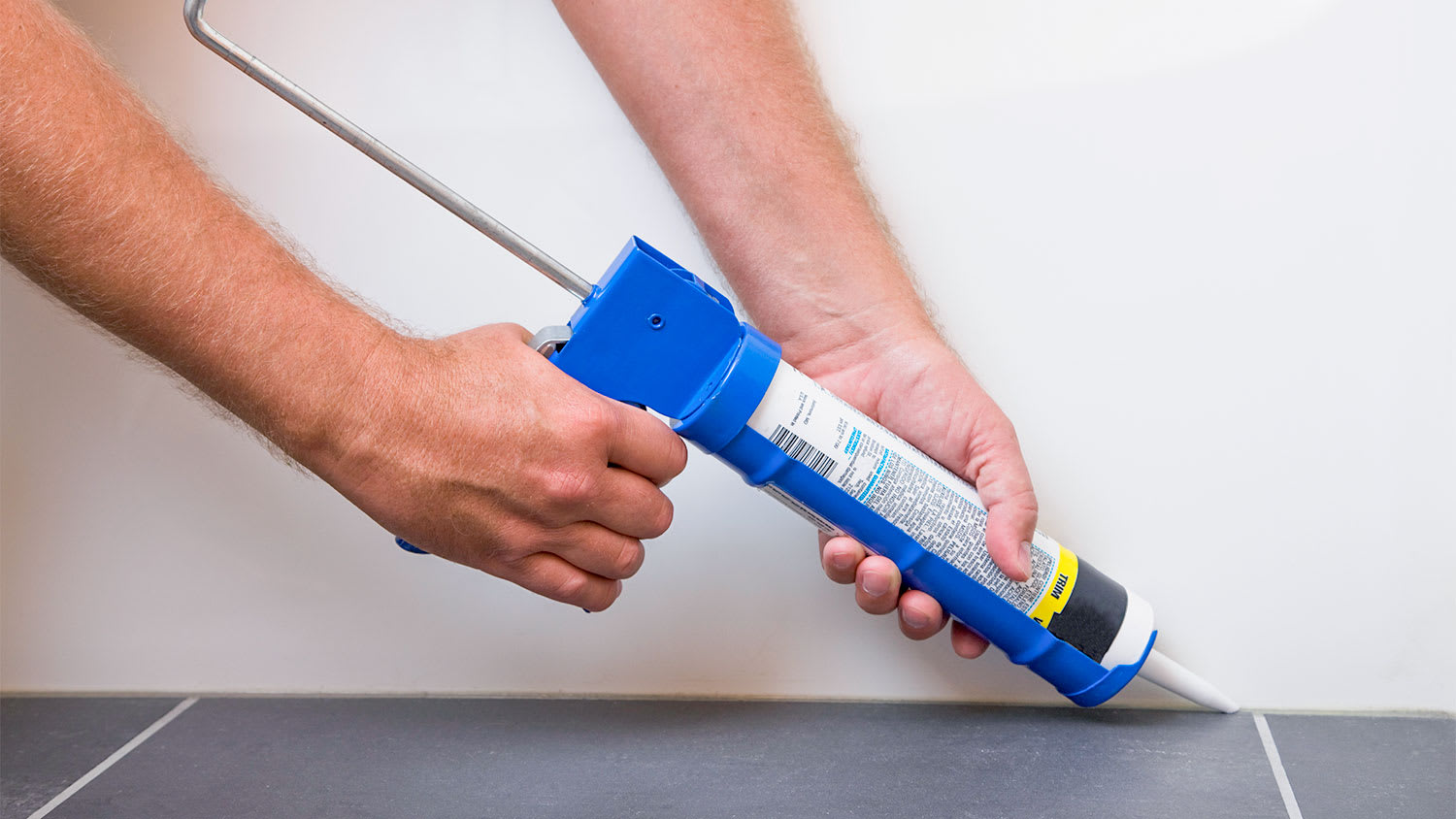
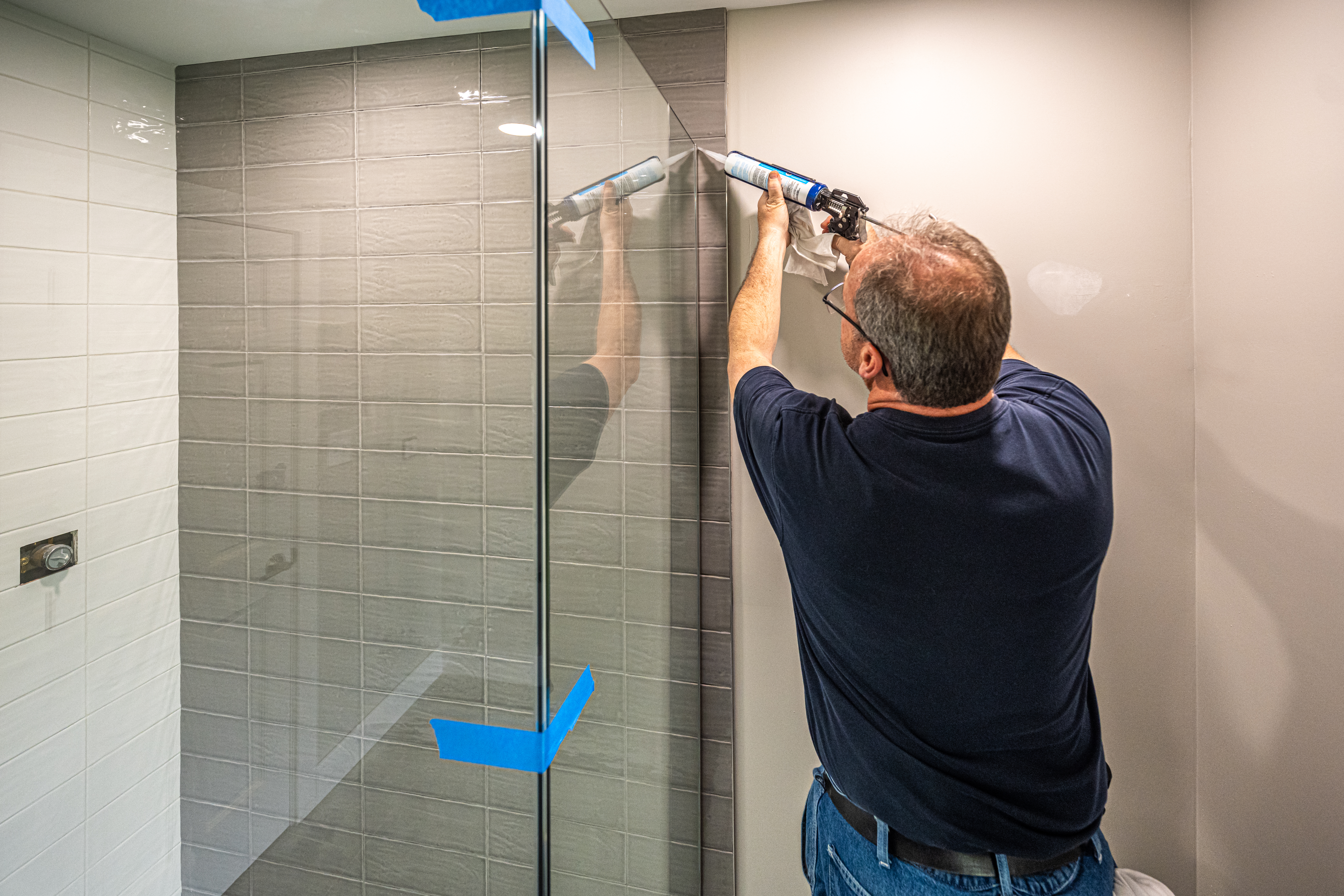
For a bathroom remodel, touch-up, or home perimeter, caulking is worth the investment. Find out average costs for window caulking, shower caulking, and more.
You know your bathroom needs a new caulking job to prevent leaks, but who do you hire? We’ll tell you what kind of professional to contact, what goes into the project, and whether you should consider doing the job yourself.
Caulking isn’t as easy as it looks, but with some tricks, even a beginner can do it like a pro. This guide will show you how to caulk in nine simple steps.
With so many different types of caulk on the market, how do you know which one is right for your home improvement project? Here’s how to figure it out.
Caulk and sealant are both helpful for closing gaps, but they aren’t the same thing. Find out whether caulk versus sealant is a better choice for your project.