


Top-rated excavation pros.

Get matched with top excavation pros in Norfolk, NE

Enter your zip and get matched with up to 5 pros

Need a pro for your excavation project in Norfolk, NE?

Select your specific project to find the pro for you.

Find Excavation pros in Norfolk

McLean Earthworx LLC
5.0(
3
)

Serving Norfolk, NE and surrounding areas

Approved

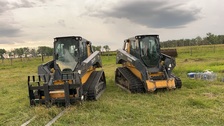
My name is Terron McLean. I am the owner of McLean Earthworx LLC.\n\nI'm a new business owner stepping into the heavy equipment industry with 10 years of heavy equipment hands-on experience.\n\n8 of those years I additionally served, and continue to serve, in the US Air Force as a heavy equipment operator.\n\nWhile I know I still have a lot to learn and don’t have all the answers, I'm passionate about my work and committed to providing the best service possible. I truly value the support and understanding of my clients, as it helps me grow both personally and professionally.\n\nI'm open to taking on new challenges and trying out fresh ideas to meet your needs. Together, we can navigate the way forward, and I'm excited to build lasting relationships while delivering quality results.

Bolling Excavating
New to Angi

Serving Norfolk, NE and surrounding areas

In business since 2013

Free estimates

Bolling Excavating is Antelope County's premiere commercial & residential excavation company. With over a decade's worth of experience in the industry, we're considered masters within the trade. Regardless of the size & scope of your project, we ensure total customer satisfaction each and every time. Our approach to each project is calculated with an exceptional attention to detail, in addition to expert craftsmanship. The next time you're in the market for professional excavating, give us a call!

Excavating questions, answered by experts

Trenching and boring are two distinct methods for installing underground utilities. Trenching involves digging a channel using equipment like an excavator, trencher, backhoe, or shovel. While it is a simpler process, it causes significant disruption to the surface, landscaping, and surrounding ecosystems.

Boring, also known as directional boring, is a less invasive alternative that uses a drill to create a tunnel for utility lines without disturbing the surface. This method is more precise and is ideal for installations that need to go underneath buildings, roads, or bodies of water. Although boring is less disruptive, it is generally more expensive than trenching.

Yes. A metal detector is one of the quickest and easiest ways to find your septic tank. However, metal detectors can be too expensive (costing upward of $300 in some cases), and not everyone has a metal detector just lying around. If that’s the case for you, you can also take a long metal rod and poke it into the ground at regular intervals until you hit something—likely your septic tank lid.

Yes, an excavation company is the best option for land grading and yard leveling. General landscapers might be able to tackle these projects, but an excavation company will do a better job because they’re used to operating the necessary heavy machinery. Landscapers might opt to do the work manually, which takes much longer and could cost you more in labor fees. Finally, excavation companies will understand local regulations and know when you need permits to legalize the work, while a landscaper might not.

Sewer lines can be buried anywhere from 18 inches to 8 feet deep, with a common average depth between 18 and 30 inches. The exact depth depends on local factors like climate and soil type. In colder regions, pipes must be buried deeper (below the frost line) to prevent freezing, sometimes as deep as 8 feet. The digging depth can also impact the cost of sewer line replacement. To find the specific depth for your property, you can check the building plans for your system, which should be on file with your city or local sanitation department since permits are required for installation.

Call 811 to locate and mark the gas lines at least three days before digging. In many areas, you can dig within 18 inches of the lines, though in some locations, the distance may be further. Check local regulations, as you may need a utility company representative onsite when digging. Document your calls to 811 and precautions taken to avoid gas lines. A homeowner can be held liable for hitting a gas line in some cases, but contacting the proper authorities and following all guidelines can offer protection.

The Norfolk, NE homeowners’ guide to excavation services

From average costs to expert advice, get all the answers you need to get your job done.