
"I have to admit, I was really disappointed with my overall experience. I was told that I could one time do a reimbursement. First off, why would you do that if you have already paid for service?!?! Then it took almost a week to get some one to address my situation. Now, I do realize that it does take time to get things rolling, but a week?? The gentleman that came to do the work was knowledgeable, but he didn't want to work with he Google representative to make sure that my NEST was/wasn't working properly. He was very short with the rep. and after several minutes of debating with him finally gave in and addressed both of our concerns. The other concern I had was, I was told that I would not have to pay anything this time, because of the delay, yet the rep. said I owed $65.00. He showed me the data he had and sure enough it said that I owed $65.00. Why, would a rep. from your own company tell me this and then turn around and not honor it?!?!? I sure hope that it doesn't take that long to get service the next time, that I need to have something done. What ever happened to customer service?? REALLY DISSSAPPOINTED!!!"
"My air conditioner was not working so I contacted my home warranty service and they sent a local company representative to checkout the problem. It was a capacitor - the technician installed the part and it has been working ever since."
There’s no denying the striking resemblance, but squash bugs are different from the brown marmorated stink bug. While both are shield-shaped and emit a foul odor when crushed, they belong to different insect families and target different plants. Squash bugs primarily attack squash, pumpkins, and other cucurbits, while stink bugs have a much broader range of host plants, including fruits, vegetables, and ornamental plants. Their eggs and feeding damage also differ, making proper identification key for effective pest control.
Will coffee grounds get rid of squash bugs?
What smell do squash bugs hate?
In some cases, a clean house can have roaches, especially if you have excess moisture somewhere. You may want to check for leaky pipes or look underneath sinks to make sure water isn’t dripping near a hidden area that is inviting the cockroaches in. Roaches can also take up residence in clean homes with not-protected food sources, like open bags of food in a kitchen cupboard.
The best way to deal with a rodent problem is to avoid it in the first place. One way to do that is to make your home smell uninviting to them. Here are some household products that can repel rodents. When using oils, try soaking a cotton ball in the stuff and leaving it in places rodents frequent:
Peppermint oil
Eucalyptus oil
Cinnamon
Vinegar
Cedarwood
Cloves
Garlic
Chili oil/powder
Cayenne pepper
In general, mouse droppings can remain infectious for 2 to 3 days at room temperature. Through their urine and feces, rodents can spread harmful diseases to humans. Common infectious diseases include hantavirus, salmonellosis, leptospirosis, and LCM.
However, depending on the specific virus and environmental conditions, mouse droppings can carry viruses for shorter or longer periods of time. For example, Salmonella can survive in mouse droppings several days and even weeks.
Identifying the specific animal running on your roof at night can be challenging without direct observation. Common nocturnal roof visitors include raccoons, squirrels, opossums, and rats. Raccoons are bigger and can create heavy thumping sounds. Squirrels are agile and may produce rapid scurrying noises. Opossums tend to move stealthily with less noise. Rats can make scratching or gnawing sounds. To determine the culprit, look for signs like footprints, droppings, or damaged areas near the roof. For accurate identification, consult a pest control professional or set up wildlife cameras near potential entry points.
The Mullen, NE homeowners’ guide to nest installation services
From average costs to expert advice, get all the answers you need to get your job done.
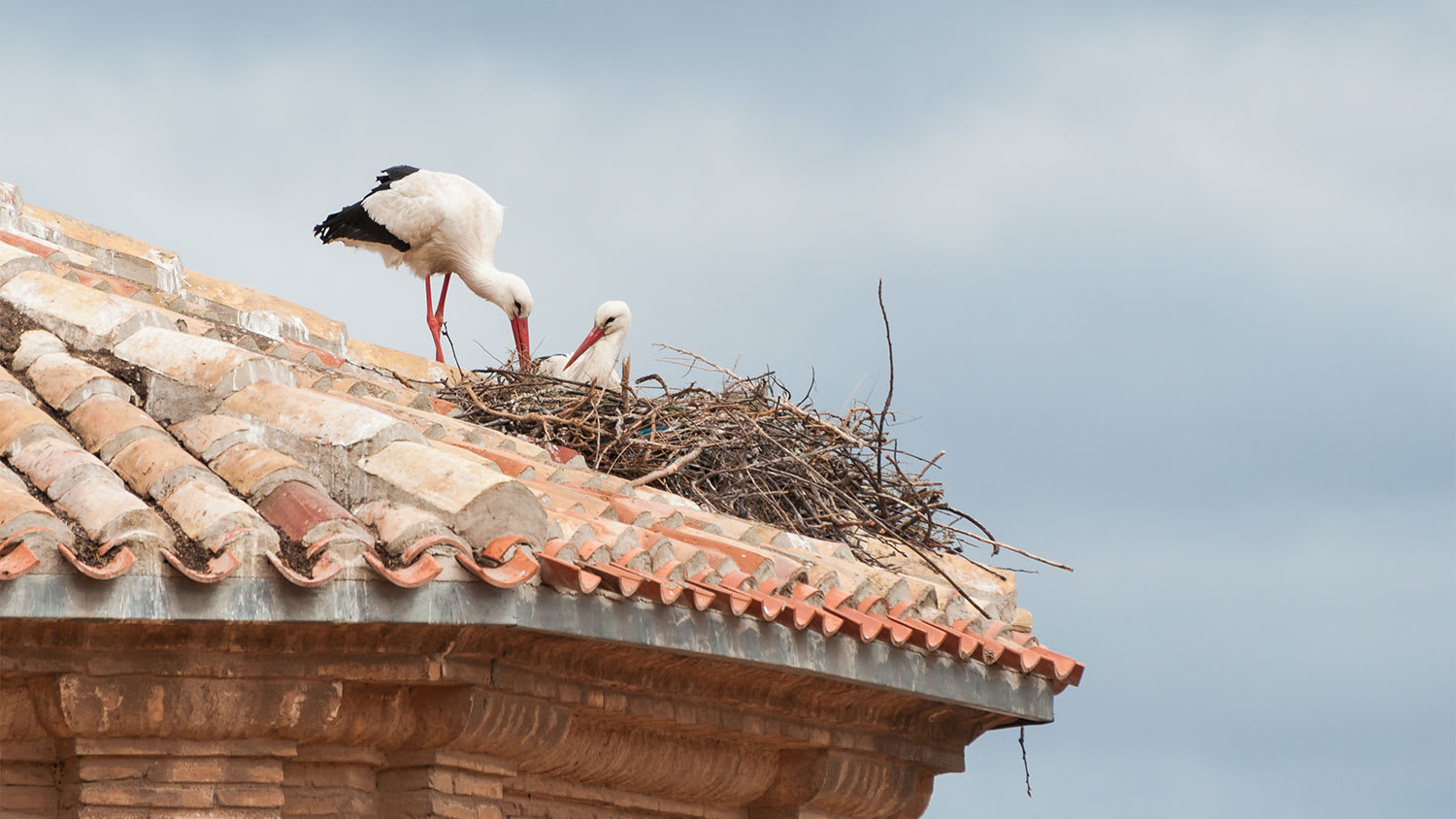
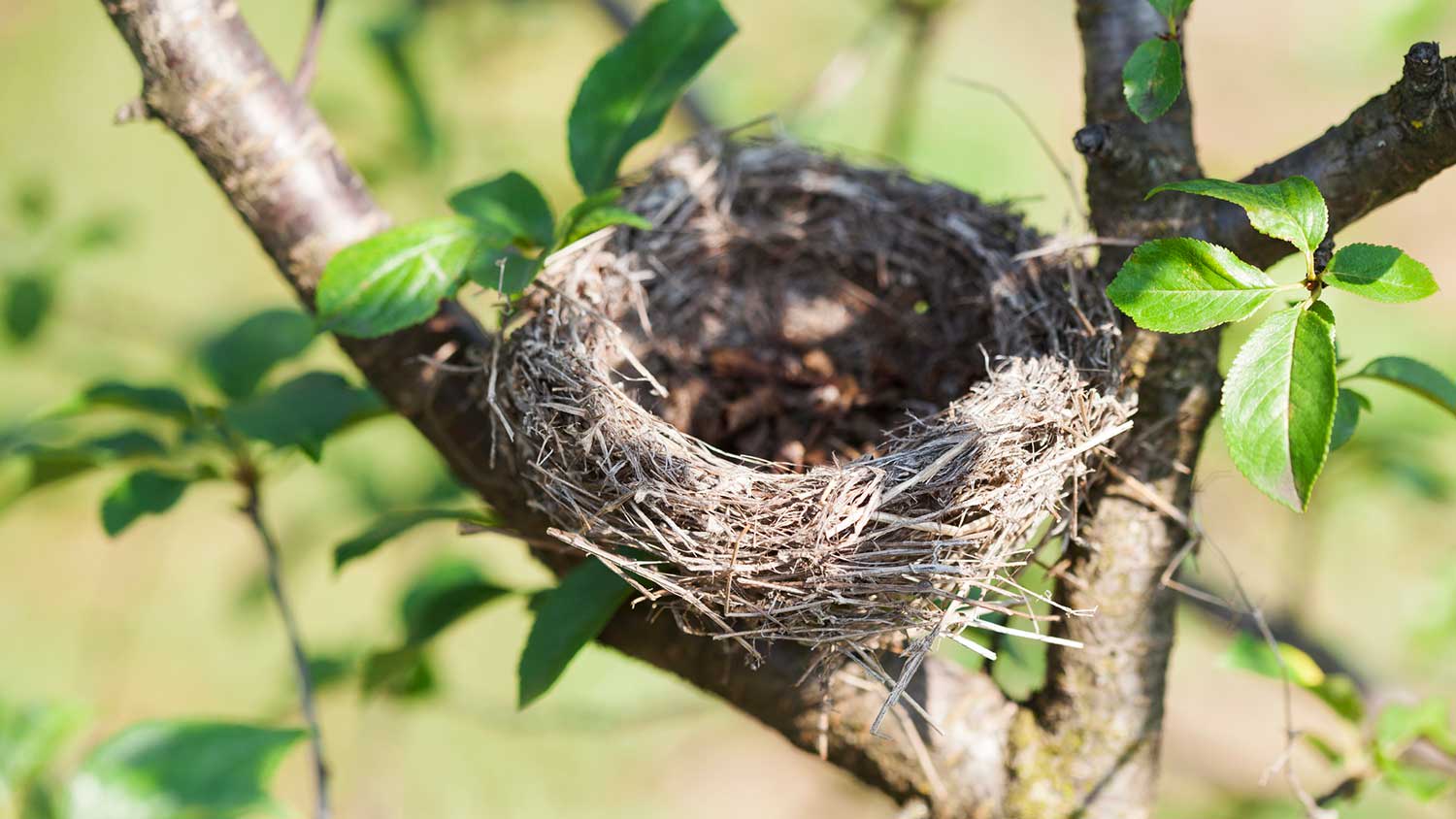
Sometimes birds nest in unwelcome places. Find out how much bird nest removal will cost based on factors like location, bird species, and preventative measures.
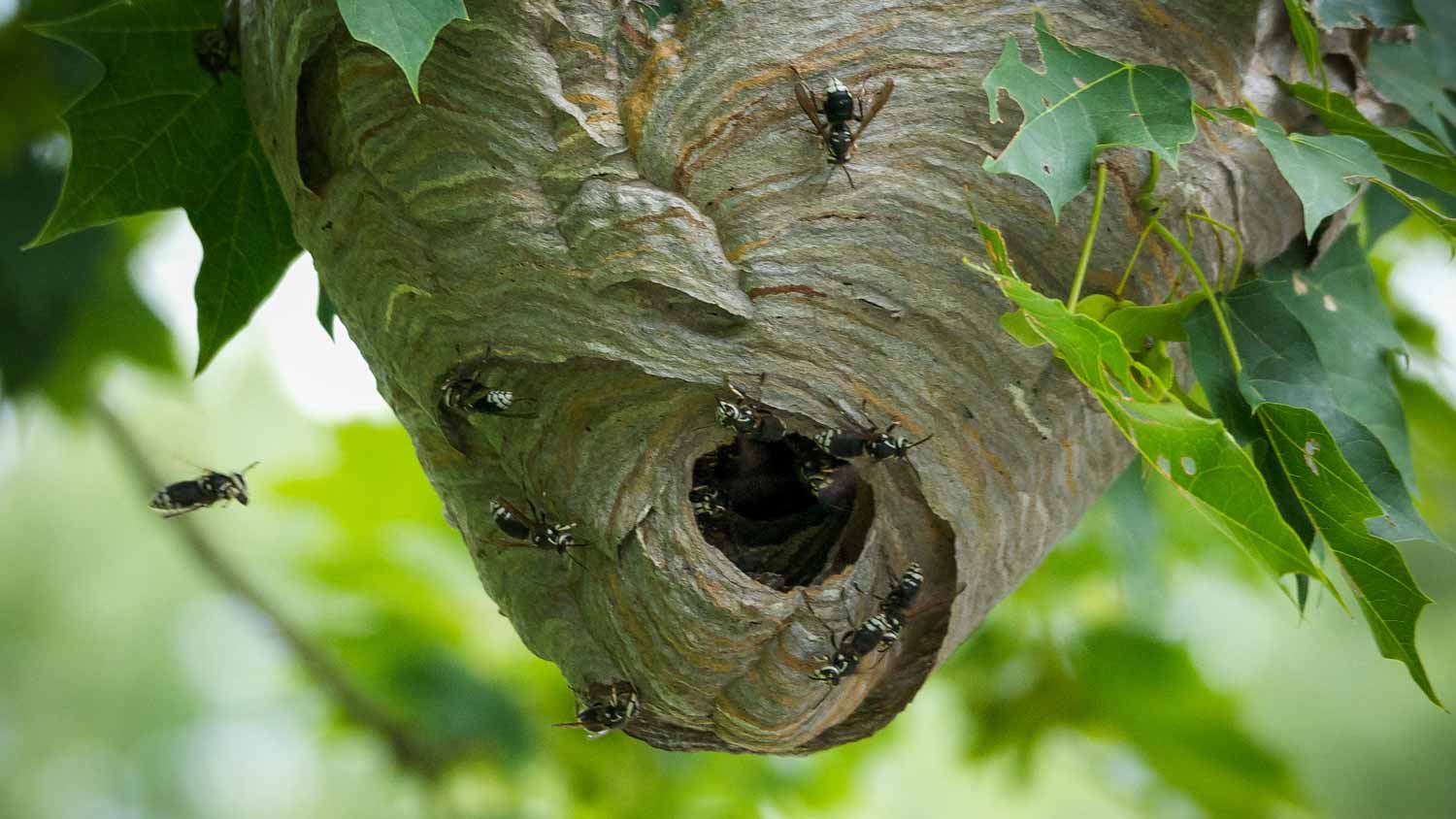
Wasps are a pain to share space with, but you have options for removal. While it’s best to call a pro, here’s how to get rid of wasp nests the DIY way.