
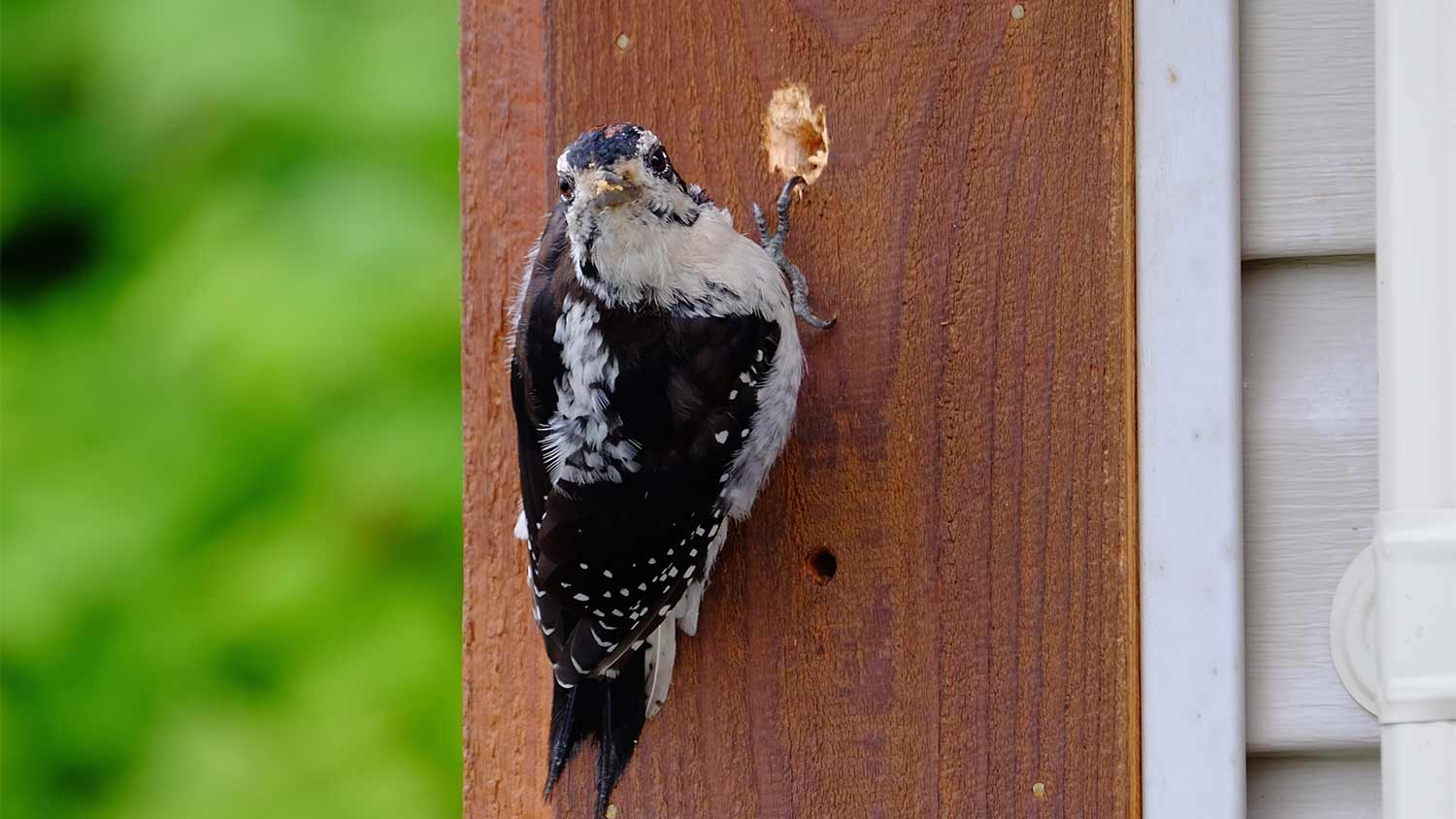
If you have woodpeckers pecking on your house, you may be at your wit's end. Read this to learn how to stop woodpeckers from pecking your house.
Time to move it along, Woody

Getting rid of woodpeckers starts with reflective foil tape or wind chimes near their active spots, as these create movement and noise that discourage them.
Professional bird removal costs $50 to $100 per hour, while woodpecker removal services range from $450 to $650 to address your home's pecking damage.
You can wrap tree trunks with burlap or install bird netting to protect siding and wood surfaces from further woodpecker damage and foraging activity.
Hiring a local arborist professional helps identify diseased trees attracting woodpeckers and provides tree inspections to reduce the appeal of your property to these birds.
Woodpeckers help eliminate pests and create nests for other forms of wildlife via the holes they peck in trees. But these federally protected birds don’t discern between a tree or important parts of your abode, like siding or decking, which can leave frustrated homeowners desperate for a humane solution.
The best course of action is to figure out how to get rid of woodpeckers before they wreak havoc on your home. Read on for ways to safely and humanely remove woodpeckers from your property.

One humane method is to frighten the woodpeckers away using reflective foil tape. Aluminum foil also works, but the tape is certainly easier to install. Start by placing a small amount of foil hung by a string near the area where the woodpecker spends the most time and gradually increase the amount as needed. When the wind blows, it pushes the foil tape around and makes the woodpecker think there’s movement in the trees.
Similar to the reflective foil, you can use wind chimes and pinwheels to cause distraction for woodpeckers. The sudden noise and unpredictable movement are scary to them, especially if it’s close to their nest or feeding zone. You can hang as many wind chimes and pinwheels as needed and gradually increase the number if the problem persists.
If the noise produced by your wind chimes is too subtle to scare off woodpeckers, then try introducing more racket with motion-activated speakers or noisemakers. You can situate these speakers wherever the woodpeckers hang out and see if it keeps them away. If the birds become accustomed to the noise, change up the settings and noises frequently.
Bird netting is a simple way to protect any area affected by woodpeckers and works by simply casting a large swath of netting that causes interference. Woodpeckers like the path of least resistance, so they may get frustrated with the netting and decide to move on.
Woodpeckers prefer trees over exterior walls, siding, roofs, and other manufactured structures, so if you notice woodpeckers in your trees, poking many holes for foraging, nesting, and attracting mates, consider wrapping your trunks in burlap bags or sacks. These bags are inexpensive and easy to apply. Just wrap up the tree as needed, and the woodpeckers will likely give up and go somewhere else.

Woodpeckers provide several clues they’re using your property as their new home. For starters, you can listen out for the near-constant pecking noises they make near their nests or when searching for food. Visually, you might notice their black and white feathers, although their marking can vary depending on the type of woodpecker.
Another sign is the presence of woodpecker holes. Woodpeckers leave these distinct holes wherever they nest or look for food. There are three types of woodpecker holes, including:
Foraging holes: These are small, deep holes that occur in a vertical or horizontal line. You typically see more holes in older wood versus fewer holes in newer wood.
Drumming holes: These holes are typically caused by male woodpeckers looking to “drum” up a mate and look like numerous small, shallow holes in a cluster.
Roosting holes: Otherwise known as nesting holes or excavation holes, these are much larger than the other types. Roosting holes are fairly large in diameter, up to five centimeters, and sometimes resemble an upside-down L.
These birds peck anything they get their beaks on, but particularly wood. That means your wood siding, fences, decking, and utility poles are all at risk for woodpecker damage. Though these holes start small, they accrue serious cosmetic damage over time. Additionally, woodpeckers can eventually open up entry points into your home, leading to invading pests, leaks, mold growth, and other problems. Though they rely exclusively on wood, these birds accidentally pierce plumbing and electrical lines while foraging or building a nest.
It is worth noting, however, that woodpeckers much prefer dead trees to anything on your property.

Once woodpeckers flee your property in search of greener pastures, you can deter future visitors by following these methods.
Fill holes: Use epoxy putty or wood putty to fix the holes woodpeckers leave behind as they search for food, build nests, or tempt mates. Woodpeckers return to the same areas each year during migration, so filling these holes deters them from coming straight back to your yard.
Conduct necessary repairs: Woodpeckers cause serious damage to roof shingles and siding, so you may need to replace these features as a contractor recommends—plus, it removes any temptation for building nests next season.
Have your trees inspected: Woodpeckers primarily love dying and diseased trees, indicating you may need to conduct a professional tree inspection with a local arborist to identify any issues.
Handle pest problems: Woodpeckers eat carpenter ants, termites, grubs, and any other insect they come across, so you may benefit from hiring an exterminator to remove their favorite food sources.
Paint wood siding: Studies indicate that paint fills in gaps that house pests, thus discouraging predators like these birds from dropping by.
Install nest boxes: If woodpeckers still visit each year, give them somewhere else to live instead of in your siding or your trees. Place cavity-type nest boxes throughout your property, staying close to the epicenter of damage. Fill these boxes with sawdust to encourage the birds to excavate and make a new home.
Woodpeckers are attracted to nut-bearing trees, serviceberry, dogwood, and elderberry plants. They may also be attracted to metal surfaces like tin roofs and aluminum siding because they communicate using the percussion sounds their beaks make and metal makes an excellent drum for them.
The above steps cater to DIYers and are easily accomplished by both seasoned homeowners and amateur renovators. However, if these simple deterrence procedures do nothing to alleviate the problem, bring in a local bird control company to help. They are experienced in locating and deterring active woodpecker populations in residential areas.
Bird removal costs $50 to $100 per hour, but some experts might adjust prices per the target species. On average, woodpeckers cost $450 to $650 to remove.
Additionally, hiring a pro to remove a bird’s nest costs anywhere from $100 to $2,000, depending on accessibility, the number of specimens using the nest, and any post-removal cleanup services rendered. Woodpecker nests fall on the low-to-medium end of that price range, as they don’t travel in large flocks like pigeons and other species.
Never move a nest with eggs. It is always best to wait for birds to abandon the nest before you attempt to remove it.

One of my old tall evergreen trees was suddenly leaning toward the busy street in front of my house. I submitted a request for an emergency tree inspection, and Alejandro, owner of Cajete Tree Service, contacted me immediately and arrived to look at it just 20 minutes later. We agreed the...
 Cajete Tree Service LLC
Wonderful. I am going to have them remove and replace my driveway in the spring.
 All Star Paving and Sealing
Lyle did a great job removing asbestos shingles from our front porch roof. They worked together with our roofer to make sure that the new roof was able to be installed on the same day that Lyle removed the asbestos shingles.
 Lyle Environmental
Involved an extensive bathroom remodel, including removing tub & installing walk in shower, new drywall, custome tile work to ceiling, plumbing, etc. Overall, job was done on time and on budget. Nick & his team were very professional and had high attention to detail. Quality was great. Highly...
 Stamos Flooring and Remodeling LLC
Extremely well. Ohio Tree Care is my go to company for all tree care and snow removal services. they are professional, knowledgeable and affordable. I manage five camps in 33 counties and Ohio Tree Care has serviced every one of our properties. Highly recommend.
 Ohio Tree Care Inc
A team of 2 spent 5 hours, cleaning top to bottom (removed all light fixture and cleaned.... impressive!!!)
 Luzia's Cleaning
I would have given an "A" rating were it not for the devil being in the details. 1. The van rear doors, when open, expose the track area and that had not been cleaned. Noticeable only when you look for it and then it's obvious. 2. Was able to get 99.5% of the dog hair out of the cargo area...
 614 Detail
Great Job!!! Martin called me after I requested a estimate on Home Advisor. He was very professional and actually went the same day and looked at the tree I needed removed gave us a estimate and I felt it was very aggressive so I did not even call for any other bids. I asked him how soon he...
 Reyes Tree Service LLC - Home Facebook
Mike and his crew did a great job working through a very challenging task. The job required a full demolition of our ceiling, removing the blown in insulation and removing all the material from the site daily. It involved multiple inspections from the city and many challenges to get the...
 Rising Height Unlimited
Removed various items (furniture, lamps, other junk) from my home. They were on time, personable, professional, etc. I can't say enough positive things about this company. <br />
From average costs to expert advice, get all the answers you need to get your job done.
If you have woodpeckers pecking on your house, you may be at your wit's end. Read this to learn how to stop woodpeckers from pecking your house.
Spiders are not the worst houseguests to have, but spider webs and cobwebs sure are frustrating. Follow this guide to delete the unwanted webs for good.

If you have a strange branch growing from the roots of your tree, it might be a sucker. Here’s how to get rid of tree suckers without damaging your tree.

Termites can cause major structural damage to your home if left untreated. Use this guide to learn how to get rid of termites once and for all.
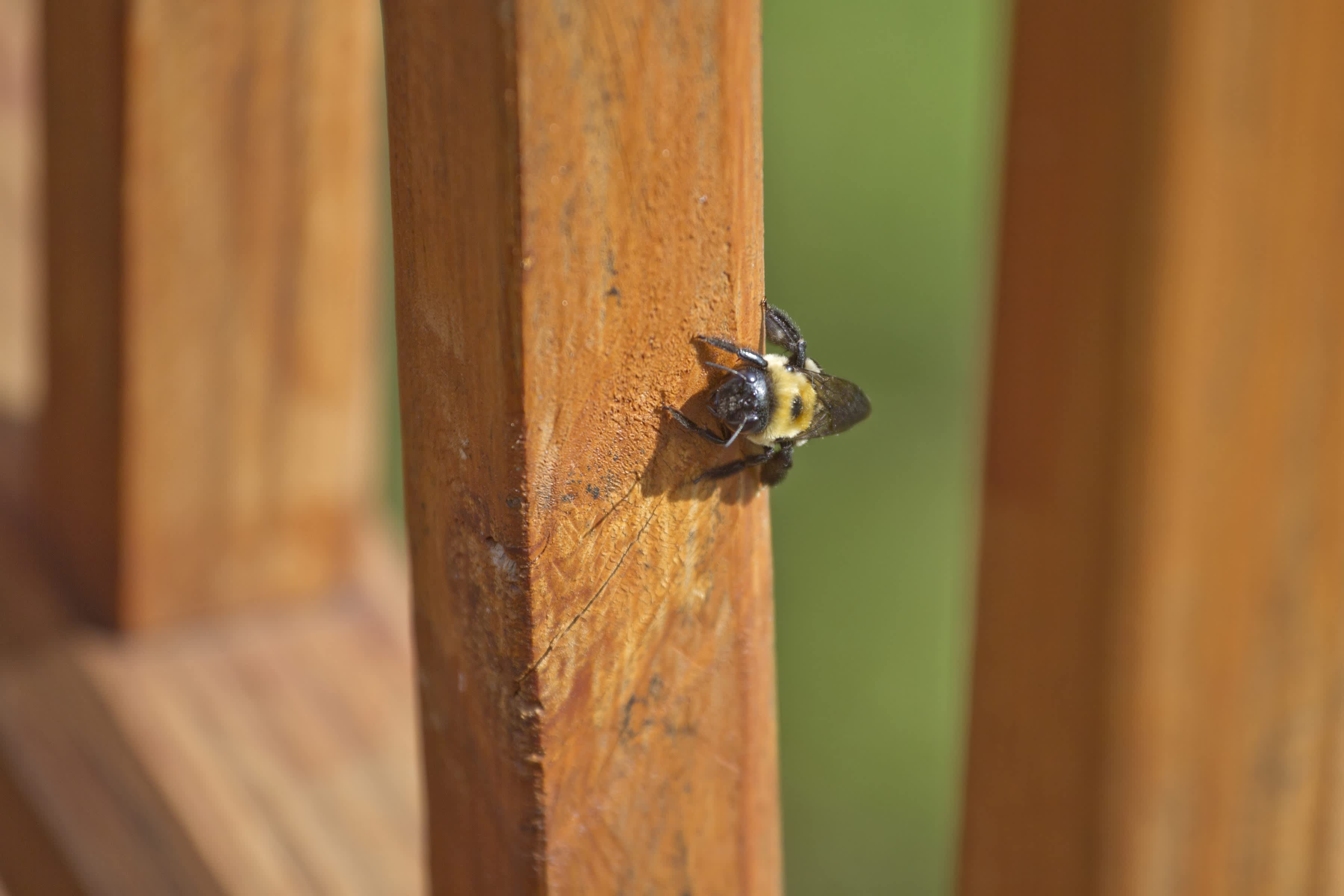
Learning how to get rid of carpenter bees naturally is important for the environment, ecosystem, and the structure of your home. Use this guide for easy DIY tips.

Find out how to get rid of ladybugs and the look-alike harlequin ladybird in your home using inexpensive remedies and plenty of prevention to combat infestations.