"I hired them to create plans for an apartment building. The process was quick and painless. Cost was good. The plans are full complete abd ready to take to builders for quotes. I will definitly use them again."
We have a single mission: Complete Customer Satisfaction! We have consistently focused on the needs of our customers, providing personalized attention and a stress-free experience.\nYou will find us to be competitively priced with close attention to the details.\nOur reputation is based on service, safety, and quality, regardless of how large or small the job.\nWe look forward to building a lasting relationship and guarantee your satisfaction!\n
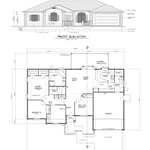
Terraform Development & Design LLC, delivers expert permit-ready architectural plans and drafting services nationwide. With 8+ years of experience and hundreds of clients across all 50 states, we create code-compliant residential and commercial construction documents that get approved fast and built right.\nFrom site plans, floor plans, elevations, structural & foundation drawings to MEP coordination, full construction sets, 3D renderings, interior design, solar PV layouts, and precise material takeoffs - we handle it all. Fast 4-6 week turnaround, 3 design revisions included, free revisions for city redline changes, transparent pricing (starts at $2,000), and direct partnerships with licensed engineers for stamps in every state.
"Very knowledgeable. Worked up a new addition to my home and did it in a timely fashion. Great pricing also and also friendly. Listens to your concerns and comments."
"I had a fantastic experience working with this drafting firm. From the very first phone call, Kirsten?our drafting consultant? was clear, professional, and incredibly helpful. She explained the entire process in detail and made sure all of my questions were answered up front, which gave me immediate confidence in the team.
This firm partnered with engineers and architects to get the best quote for me on a stamp for my plans after they did an exceptional job on drawing the prints that met all the requirements for permitting. Their coordination and attention to detail made the process very simple on my end.
If you are looking for a highly capable drafting firm that knows how to get things done right, I highly recommend them!"
At TR Home Design, we can take care of all of your design needs. Our expertise extends to every room in your home and we will customize the plans to fit your needs. Call today for a free estimate and let us show you how to make your building dreams come true!
With several years experience, we pride our company on reliability, great communication, integrity, and quality work. We are experts in our trade and will do our best to keep you as educated as we can on your particular task or project. We look forward to earning your business!
Yes, architects specialize in both new construction and renovation projects, ensuring that additions blend seamlessly with existing structures while meeting safety standards.
Designing a building takes 2-6 months, depending on project size, required permits, and revisions.
Federal architecture is most common in urban areas throughout the New England states, including the older parts of New York, Pennsylvania (namely, Boston and Philadelphia), Maryland, Massachusetts, and Virginia. The style also dominated in parts of Georgia in the late 18th and early 19th centuries, so many historical homes in the area embody this home design. Salem, MA, has two historic districts that predominantly feature this architectural style: Chestnut Street District and the Salem Maritime National Historic Site.
Fees depend on project size, design complexity, required permits, materials, labor, and whether additional consulting services are included.
Whether you’re building a new home or building an extension on your existing property, you will likely need both a structural engineer and an architect. A structural engineer will determine what loads your foundation and framing can safely handle, and an architect will draw plans according to those structural calculations to simplify the building process. You can start by contacting a structural engineer near you, as many work alongside architects and can get all of the prep work done at once.
The Mullen, NE homeowners’ guide to architectural services
From average costs to expert advice, get all the answers you need to get your job done.
Wondering how much hiring an architect cost? Discover architect prices, cost factors, and money-saving tips to help you plan your home project with confidence.
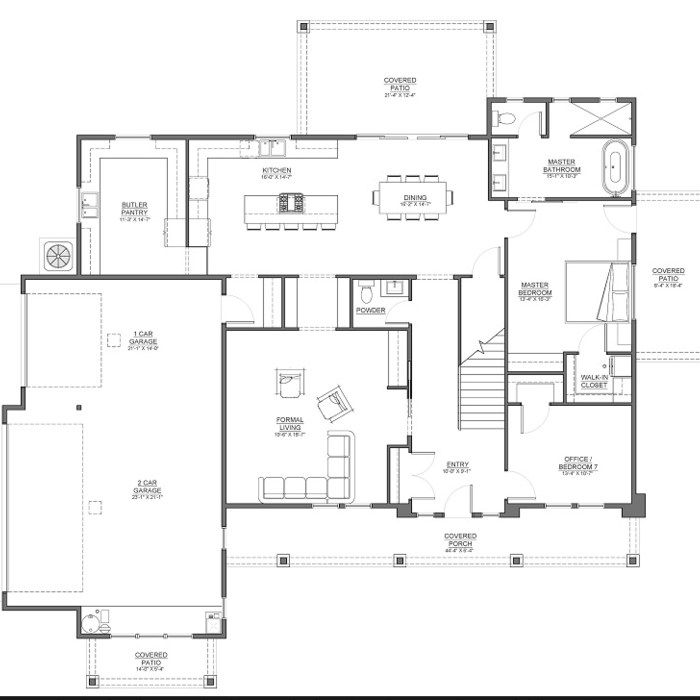
Floor plans can help you visualize a space and are useful in home construction and design. Learn how much a floor plan costs and what affects the price.