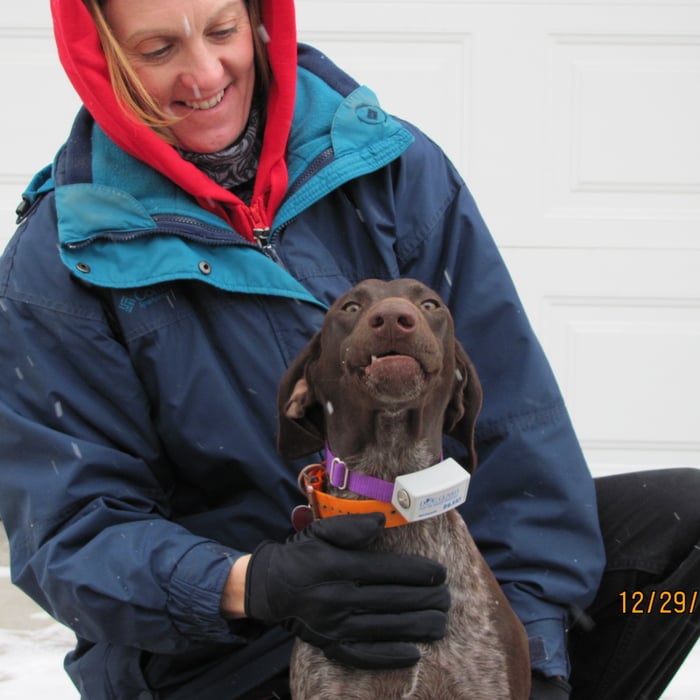
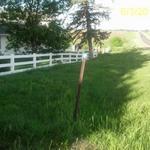
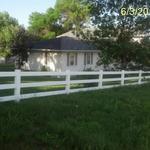
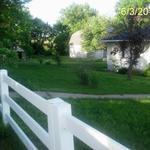
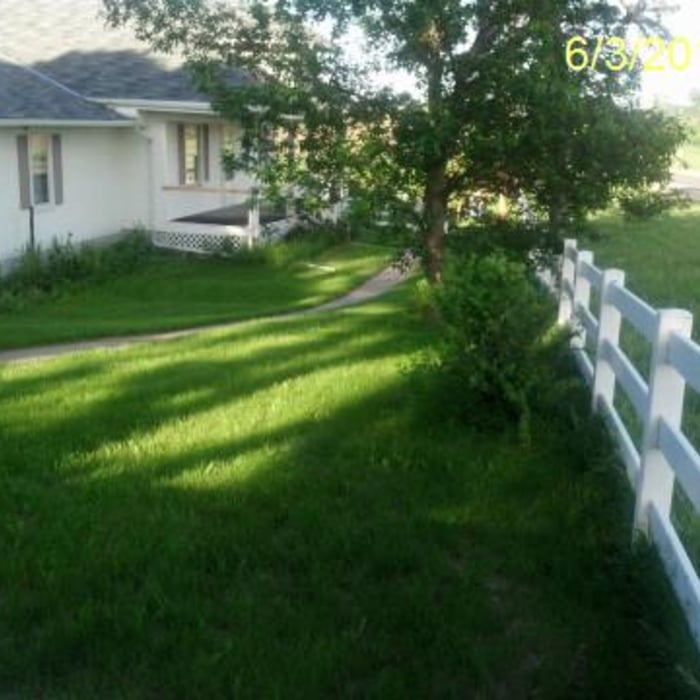
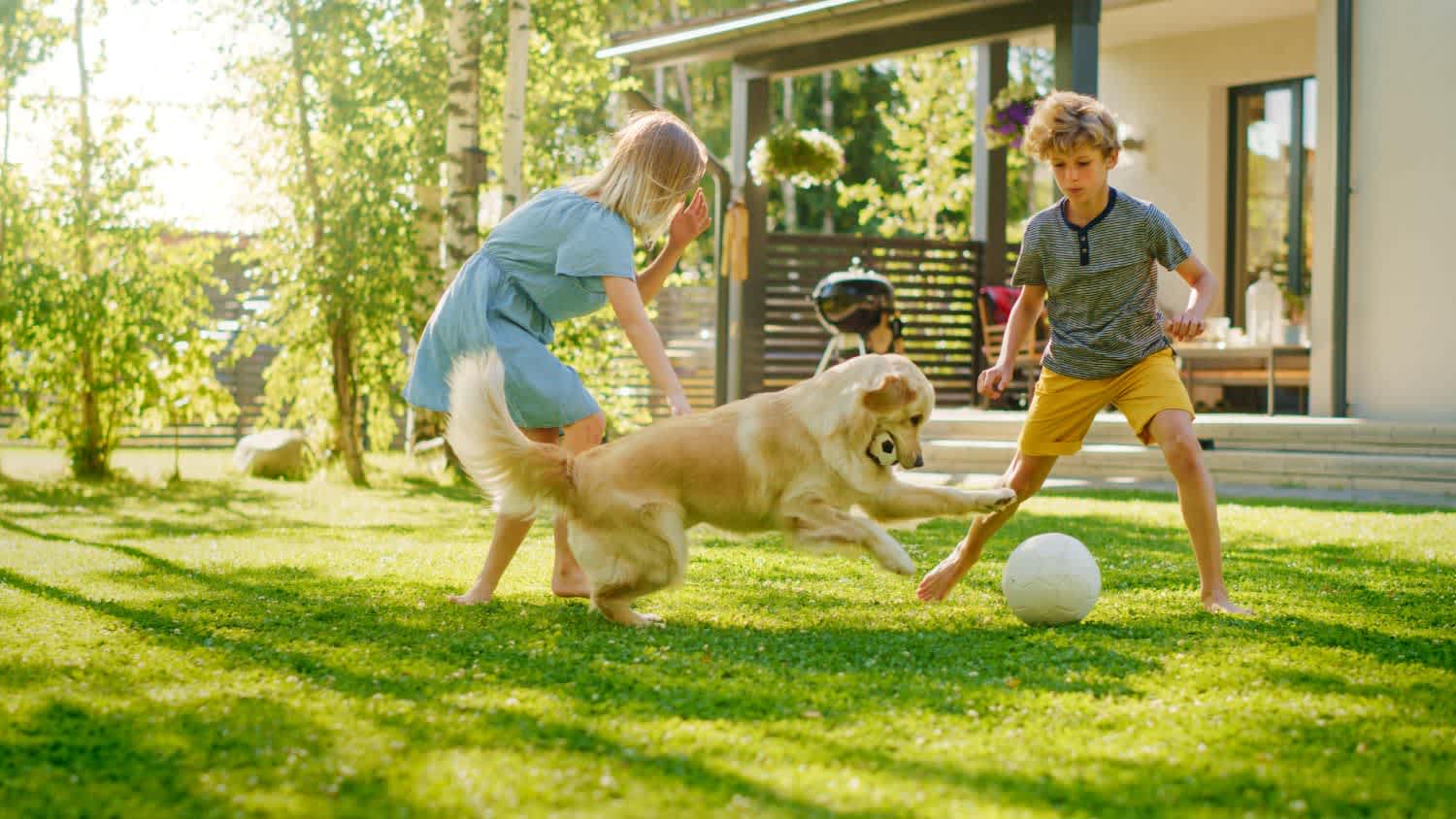
"Was going to buy a fence and install it myself but decided to just let a pro do it. A week latter and the customer service is still top notch. Only complaint was I think the fence was originally set a little high but that was an easy change. If your looking for a dog fence I highly recommend Dog Guard."
"These guys did all that I wanted at a great price. I've read the reviews and contracted with them. They are insured and bonded and licences. VERY FRIENDLY GUYS."
Identifying the specific animal running on your roof at night can be challenging without direct observation. Common nocturnal roof visitors include raccoons, squirrels, opossums, and rats. Raccoons are bigger and can create heavy thumping sounds. Squirrels are agile and may produce rapid scurrying noises. Opossums tend to move stealthily with less noise. Rats can make scratching or gnawing sounds. To determine the culprit, look for signs like footprints, droppings, or damaged areas near the roof. For accurate identification, consult a pest control professional or set up wildlife cameras near potential entry points.
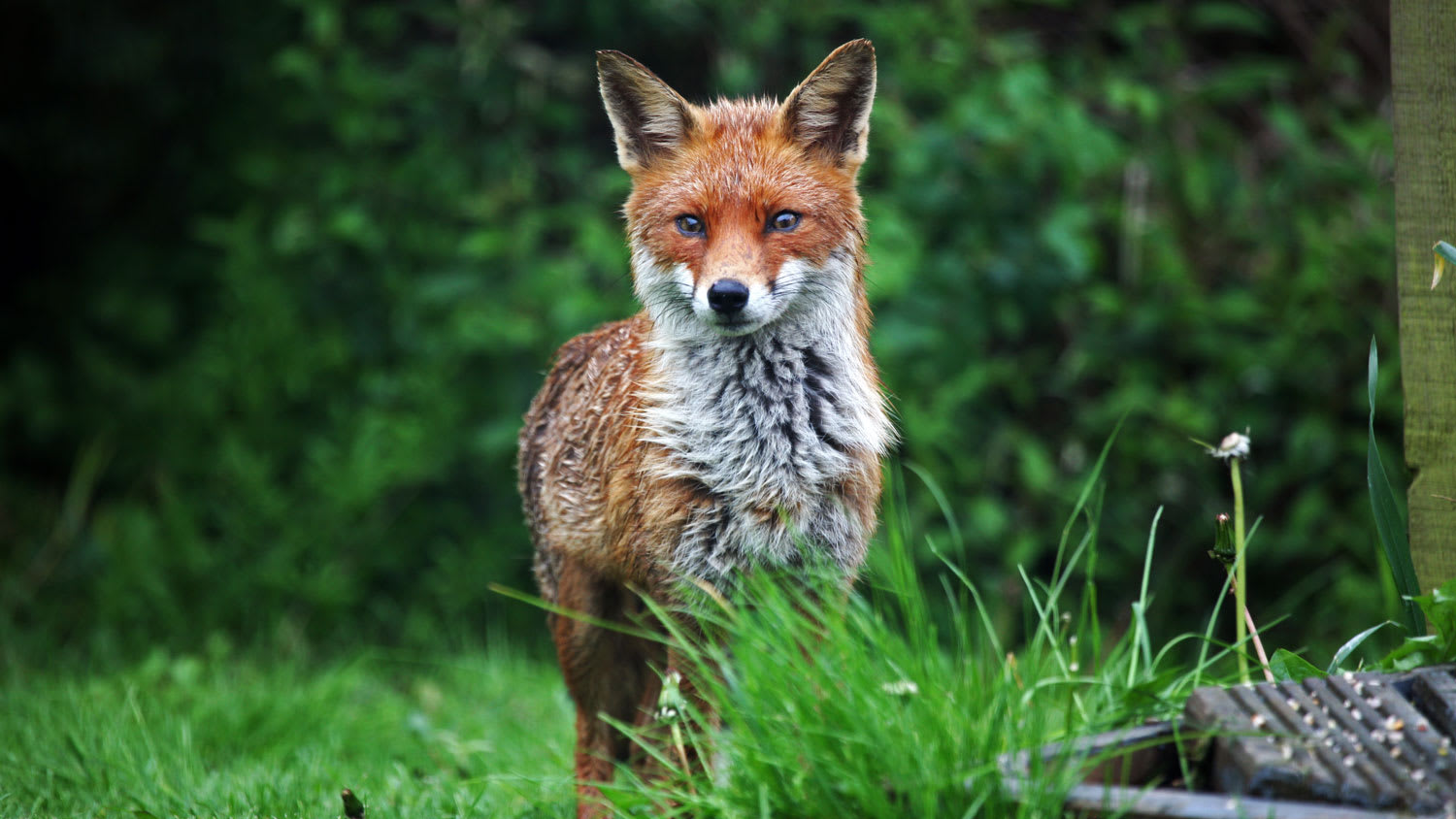
If a wild animal enters your yard, prioritize safety for yourself and the animal. Remember to avoid direct contact and always keep a safe distance. Contact local authorities or a wildlife rehabilitation center if the animal is hurt or in distress. Both sources should be able to guide you on how to proceed and send help if needed. Please wait for the animal to leave naturally for non-threatening situations, as many will. To deter future visits, implement measures like securing trash cans, sealing entry points, and removing potential food sources.
Skunks spray as a defense mechanism to ward off predators. The active ingredient in their sulfurous, oily musk is n-butyl mercaptan, which evaporates into a powerful and smelly gas. Once the spray hits the skunk’s target, the stench can linger for days, and water and common cleaning kits aren’t enough to wash it away.
If you happen upon a skunk in your yard, try to back away slowly to reduce the chance of them aiming at you. Encouragingly, they don’t use their weapon casually, as it can take up to 10 days for their life-saving weaponry to refill. Paw stamping, hissing, lifting their tail, and arching their back are early signs they feel trapped or under threat and that it’s time to make a careful retreat.
Small animals, particularly rats and mice, like to burrow inside pool heaters. To keep them out, seal any entry points with caulk or steel wool. Then, place mothballs inside or around your pool heater. As a final measure of protection, you can cover the pool heater in hardware cloth or wood paneling to further block entry points.
Groundhogs are non-aggressive animals that are afraid of humans. They forage for vegetation in yards and gardens, so they can often be seen as a nuisance if you spot one on your property. That said, if you happen to get bitten or scratched by a fearful groundhog, be sure to get checked by a doctor, as they could carry infections or diseases like rabies, Lyme, or the rare tularemia.
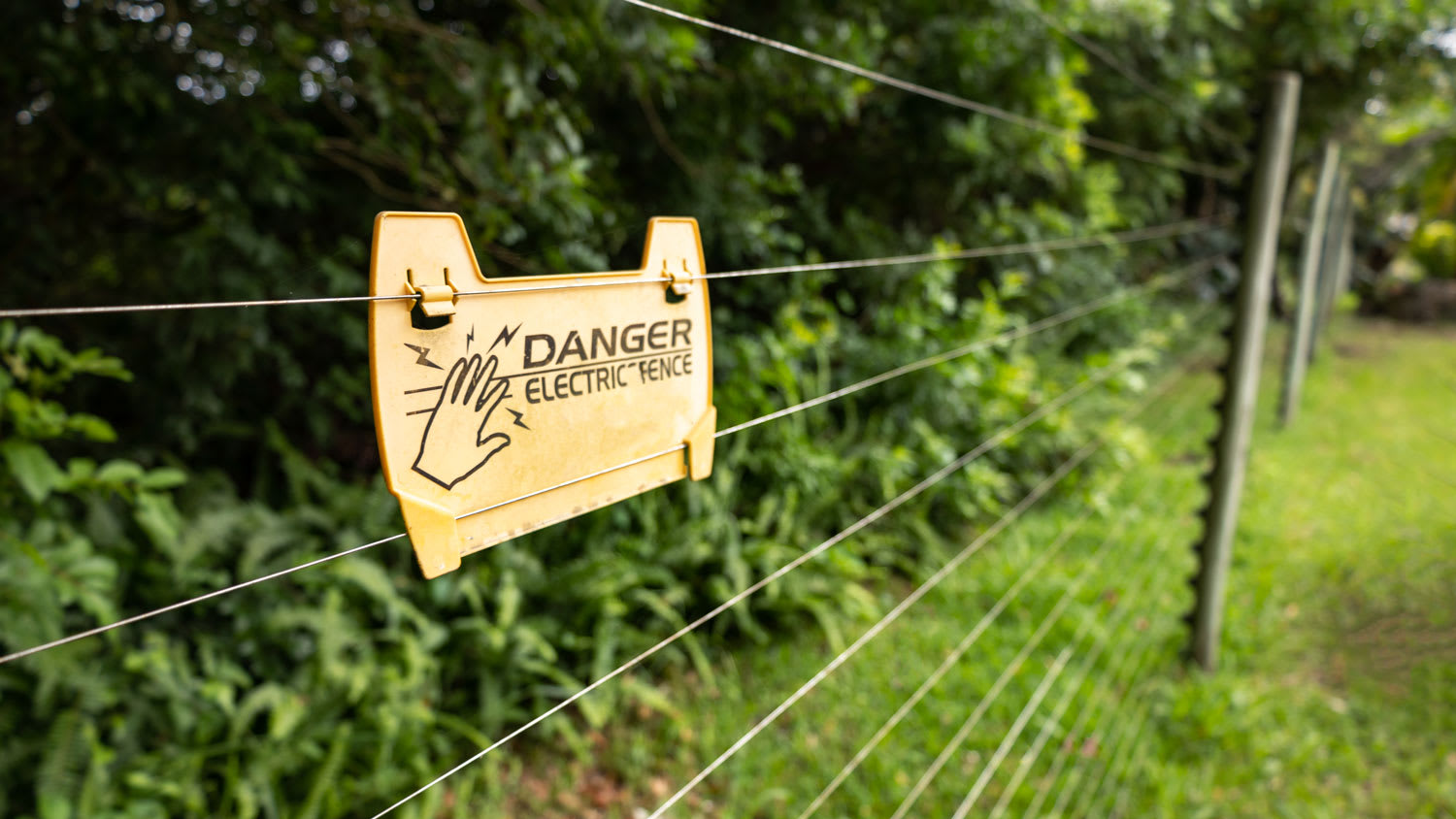
The Howells, NE homeowners’ guide to animal fencing services
From average costs to expert advice, get all the answers you need to get your job done.
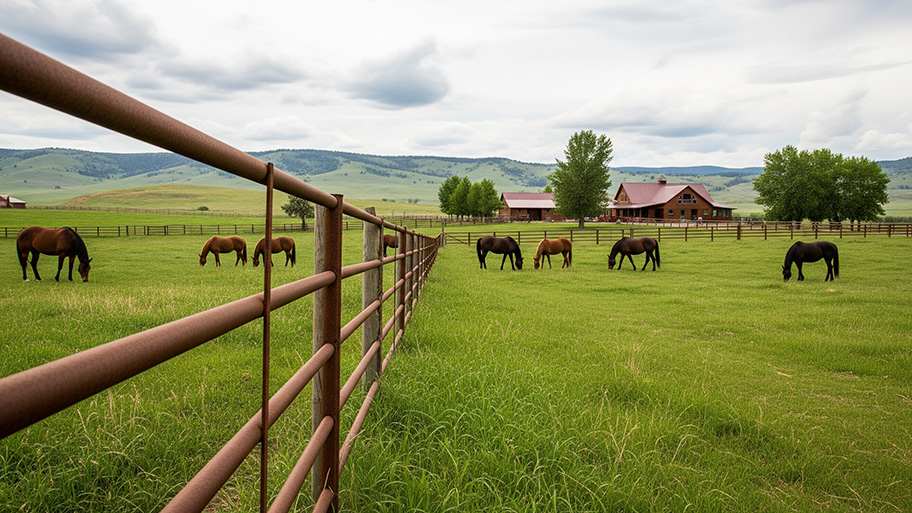
Pipe fencing is an extremely strong, durable option for containing horses and other livestock. This guide breaks down the factors that affect pipe fence cost.