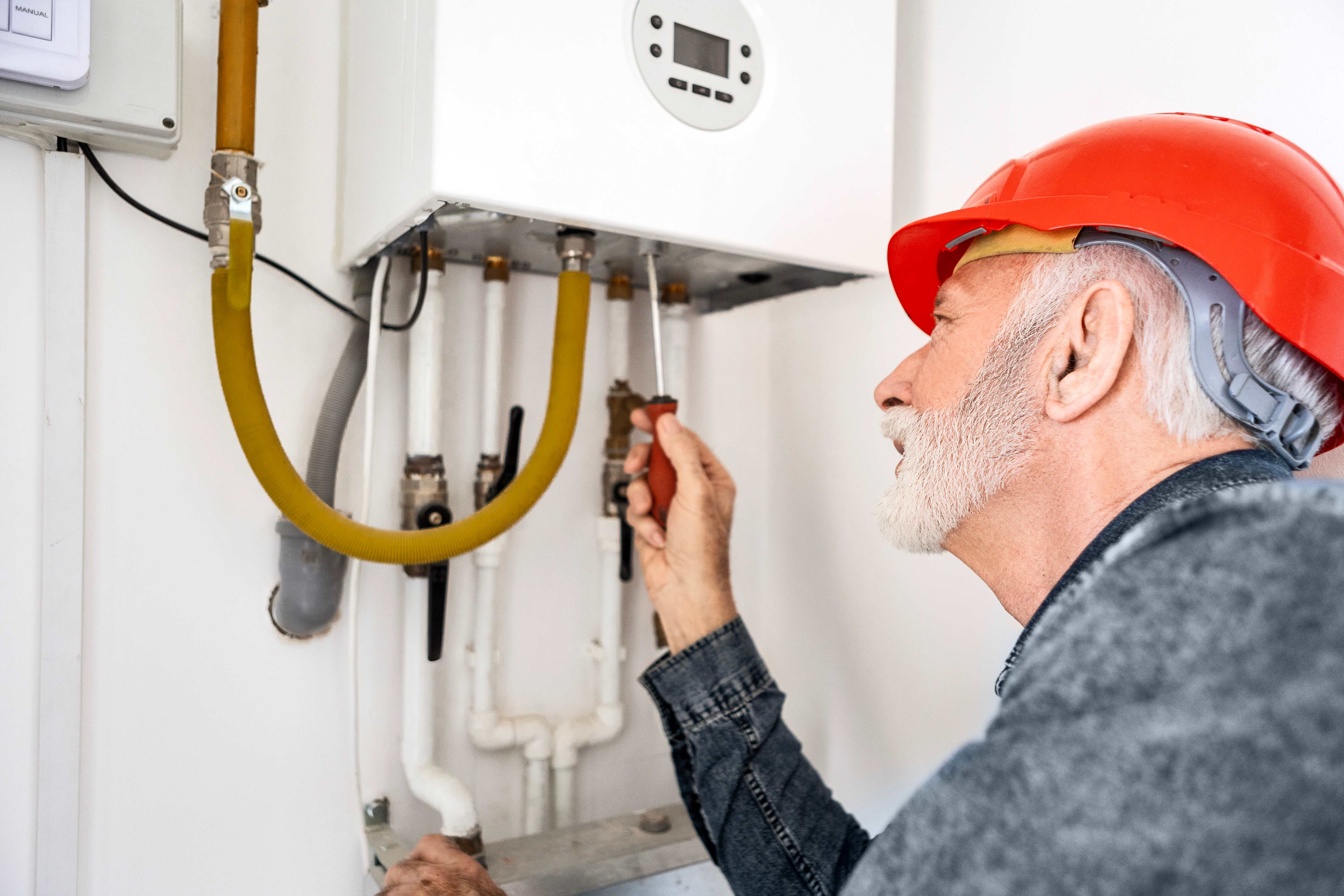



"He was able to quickly diagnose that the water leak from the water heater was a result of a ruptured tank, resulting in the need to replace the entire water heater."
With over 10 years of experience in the plumbing industry, we are the experts you need to take care of your home or business. We handle everything from remodeling to service requests. We will treat your home as we would treat our own. Give M & M Plumbing a call today, we look forward to working with you!
We pride ourselves on our extreme professionalism and attention to detail. Our customer satisfaction guarantee will assure you we will not leave your property until you are completely satisfied with our work. As a locally owned and operated business you can trust that we will treat your home as we would treat our own. Give us a call today, and we look forward to working with you!
Burns Construction, is a full service general contracting firm operating in the greater SW NE area for many years. We pride ourselves in our attention to detail and our unsurpassed customer service. The quality of our work speaks for itself and we look forward to working with you on your next project.
Not all types of water heaters require a venting system. Electric tankless water heaters don’t use natural or propane gas, so no venting is required. Instead, they use electric burners to heat water quickly and efficiently. However, any system that does use gas or propane will require ventilation.
A larger heater requires a larger breaker—unless there’s one already installed. The longer answer to this question is more nuanced. Do you place demands on the heater at the same time as running other heavy-duty appliances like ovens and washing machines? Do you live in an older home that may not have considered the higher electrical demands we have now? Breakers need to be sized at 125% of the load. To find that load, you should call a local electrical pro.
Excessive pressure (above 80 psi) puts too much stress on plumbing pipes, joints, and fixtures. This can lead to leaks and burst pipes. Plus, it shortens the lifespan of appliances, can waste water, and can raise your utility bills. High water pressure might feel like a gift, but it’s actually a silent threat to plumbing.
Tankless water heaters are more expensive than those with a storage tank, but they come with some impressive benefits that most homeowners find worth the higher investment. Most importantly, they provide unlimited hot water, so you’ll never run out like you would with a storage tank. Tankless heaters are also more efficient, so comparing gallon-for-gallon, you’ll spend less on hot water with a tankless heater. Tankless water heaters are also smaller, require less maintenance, and tend to last longer than storage tank water heaters.
Most standard residential water heaters, which are typically around 40 gallons and use 240 volts and between 3,500 and 5,500 watts, require a 30-amp, two-pole circuit breaker. For smaller, point-of-use water heaters using 120 volts and between 1,500 and 3,000 watts, a 30-amp breaker is also often adequate. However, some models may have different needs; units that use more watts than average may require a 40-amp breaker, while smaller units might only need a 20-amp breaker. Newer, tankless, or more energy-efficient models can also require a higher amperage. Having the correct breaker size is crucial for safe and efficient operation, so it's best to consult a licensed electrician to determine the specific needs of your water heater.
The Hershey, NE homeowners’ guide to water heater services
From average costs to expert advice, get all the answers you need to get your job done.
A water heater flush costs $160 on average but can vary based on the unit size, type, labor, location, and more. Keep reading to learn how much you could pay.
Worried your water heater might freeze this winter? Learn to spot the warning signs and how to safely thaw your tank or tankless system out if necessary.
Hybrid water heaters will have you weighing high initial costs versus long-term savings. Is it the right option for you? Explore the pros and cons of hybrid water heaters.
The average lifespan of water heaters is 6 to 15 years for conventional models and up to 20 for tankless ones, but it can be less if they are not properly maintained.