





Top-rated stucco pros.

Best stucco pros near Geneva, NE

Enter your zip and get matched with up to 5 pros

Need a pro for your stucco service project in Geneva, NE?

Select your specific project to find the pro for you.

Top-Rated Stucco pros in Geneva - Updated Nov 2026

Stucco FAQs, answered by experts

Stucco applied over brick can last 30 to 50 years or more when correctly applied and properly maintained. Stucco’s lifespan can be shortened by improper application, incorrectly mixed material, lack of preparation before application, and lack of maintenance. To get the most life out of your stucco siding, keep up with maintenance and repair any damage as soon as you discover it. 

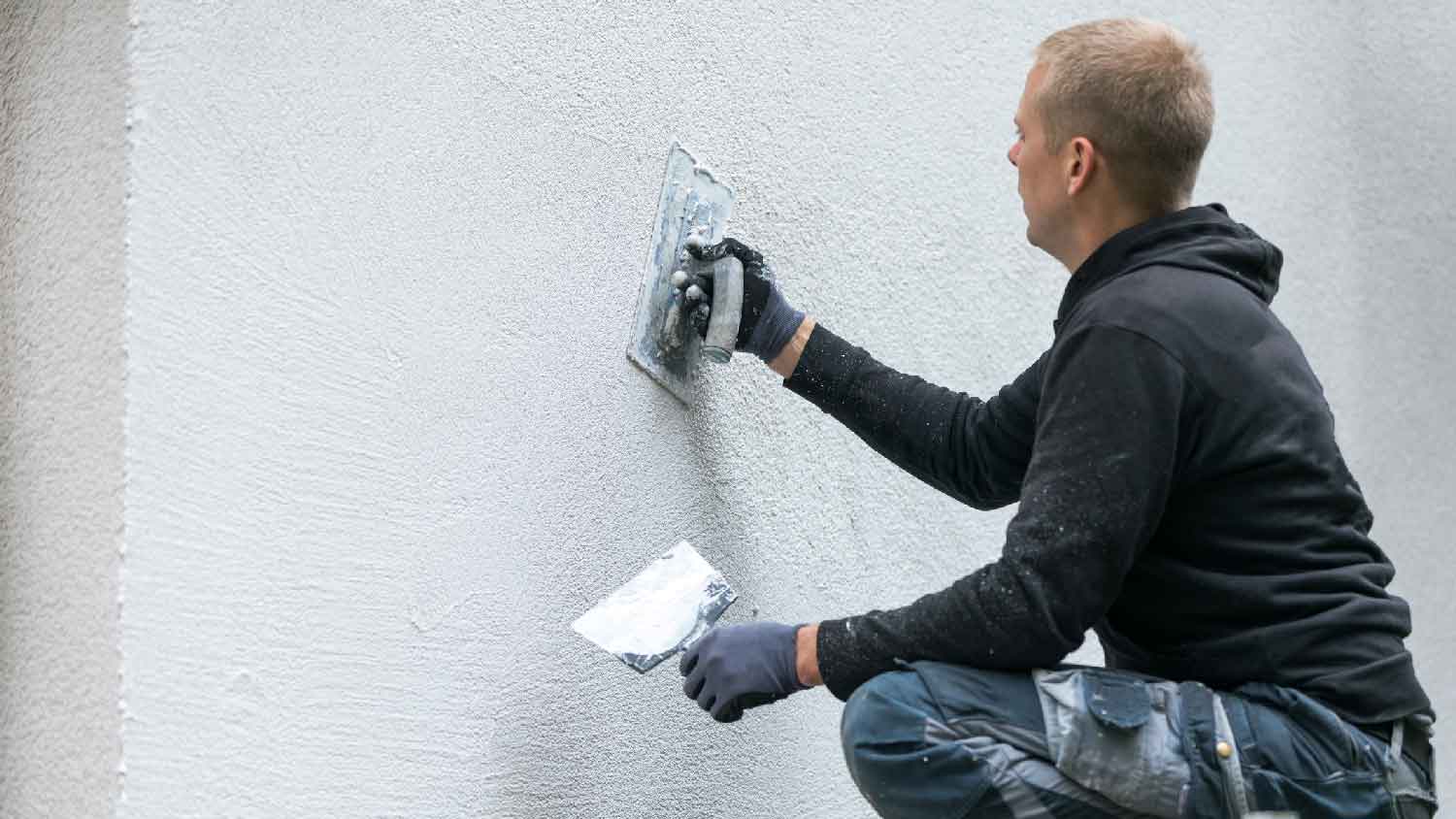
Stucco repair can best be described as a patch. It involves identifying the problem and fixing that specific damage with additional stucco. If no mold infiltration or an underlying leak is causing the damage, repair is most likely all you need. 

Remediation, on the other hand, involves removing the existing siding, fixing the underlying cause of the damage, and then reapplying stucco siding for that wall. It’s a more permanent fix that takes longer to complete and, hence, comes with a steeper price tag than repair.

If contractors discover water damage, rot, or mold beneath the stucco, additional repairs will be necessary. These repairs can increase your total project cost and timeline, but addressing them promptly is essential for your home’s structural integrity. Ignoring hidden damage can lead to more severe issues and higher costs in the future.

The curing time for stucco typically takes several weeks to fully complete. During the curing process, the stucco undergoes a chemical reaction and gradually hardens. It's important to note that curing is different from drying. While the surface of the stucco may dry relatively quickly within a few hours or days, the curing process continues beneath the surface, strengthening and solidifying the stucco. 

It's best to avoid excessive moisture exposure during the curing period, as it can impede the curing process. The exact curing time can vary based on factors such as temperature, humidity, and the specific stucco mixture used.

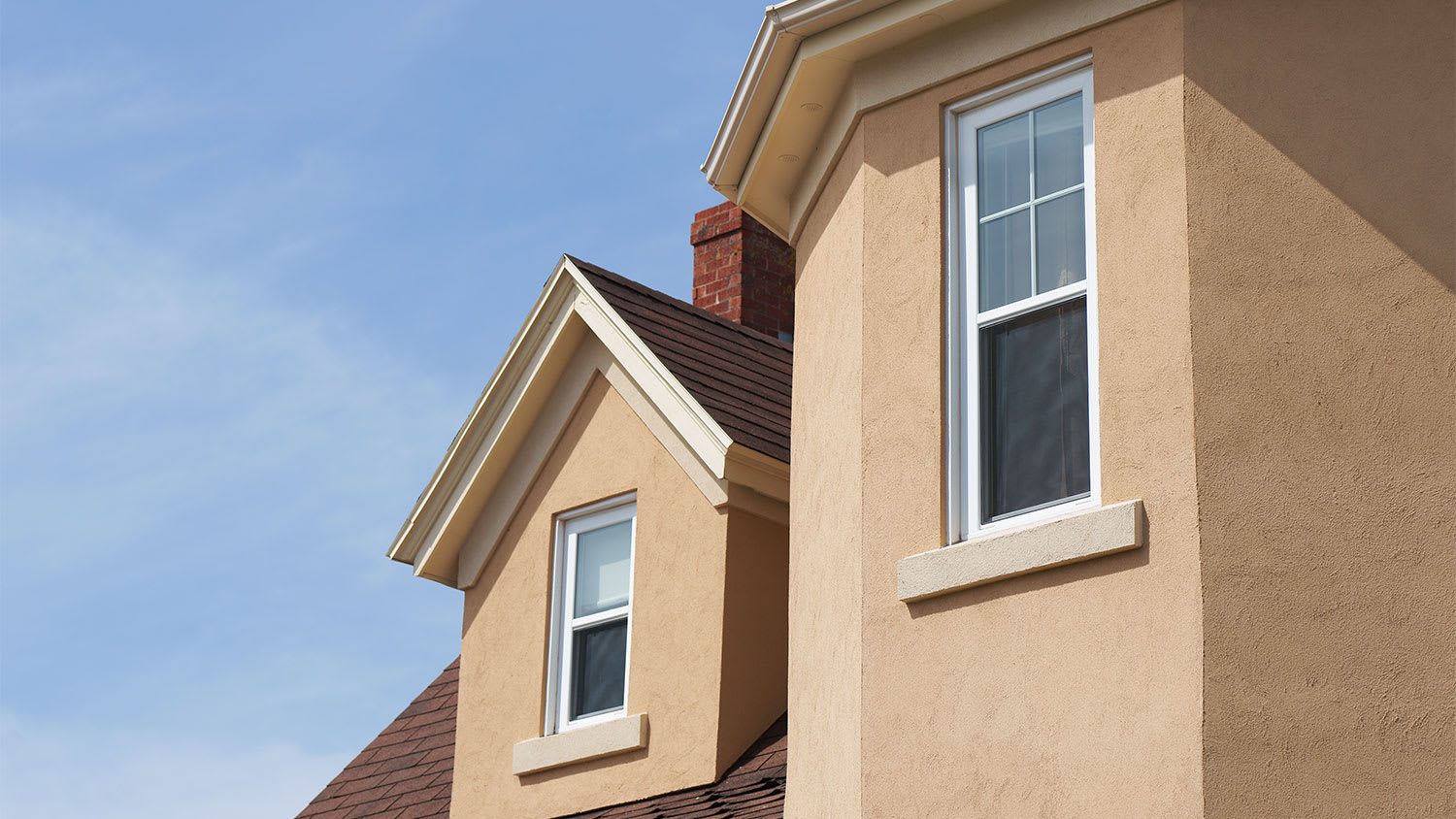
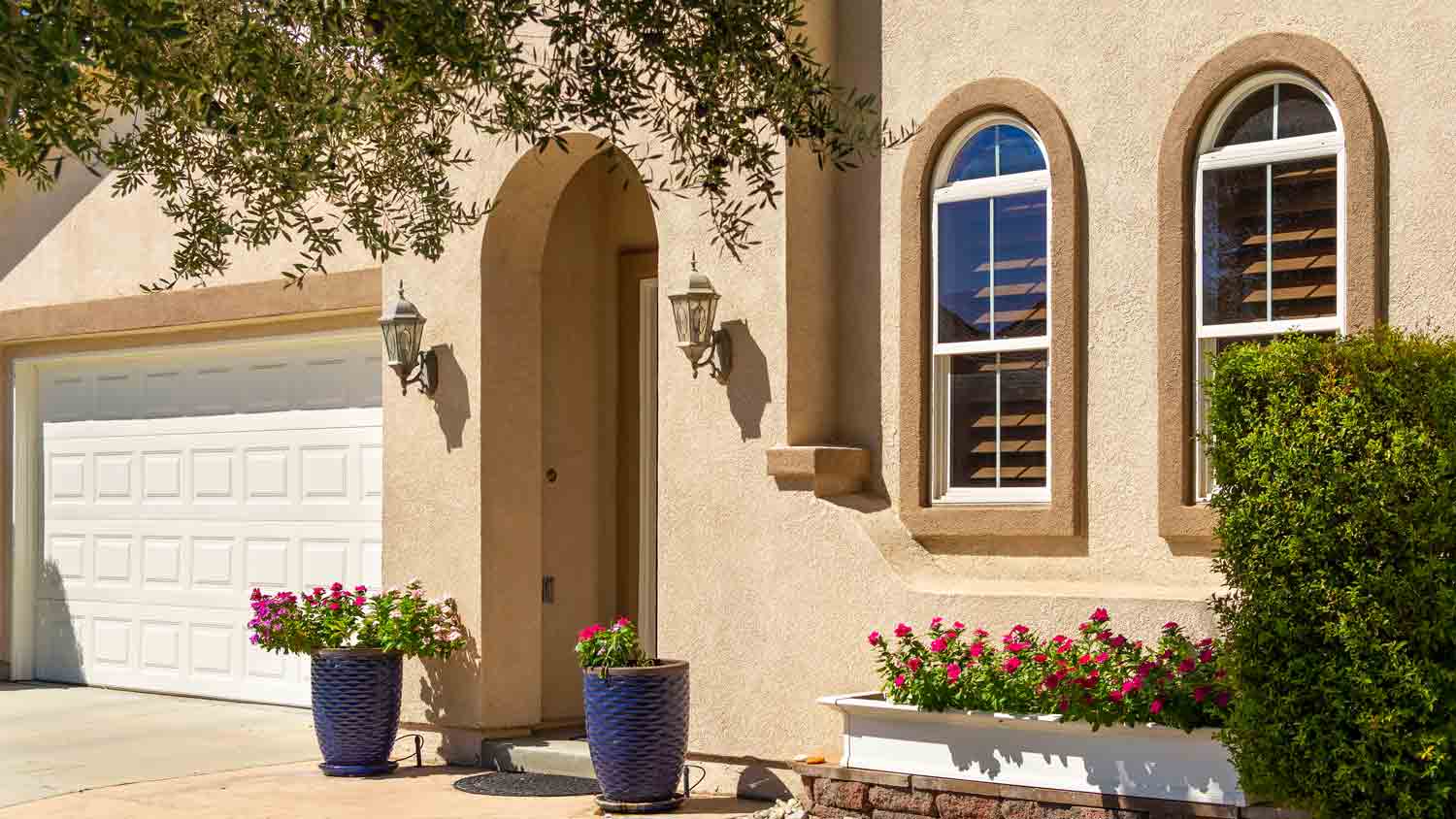
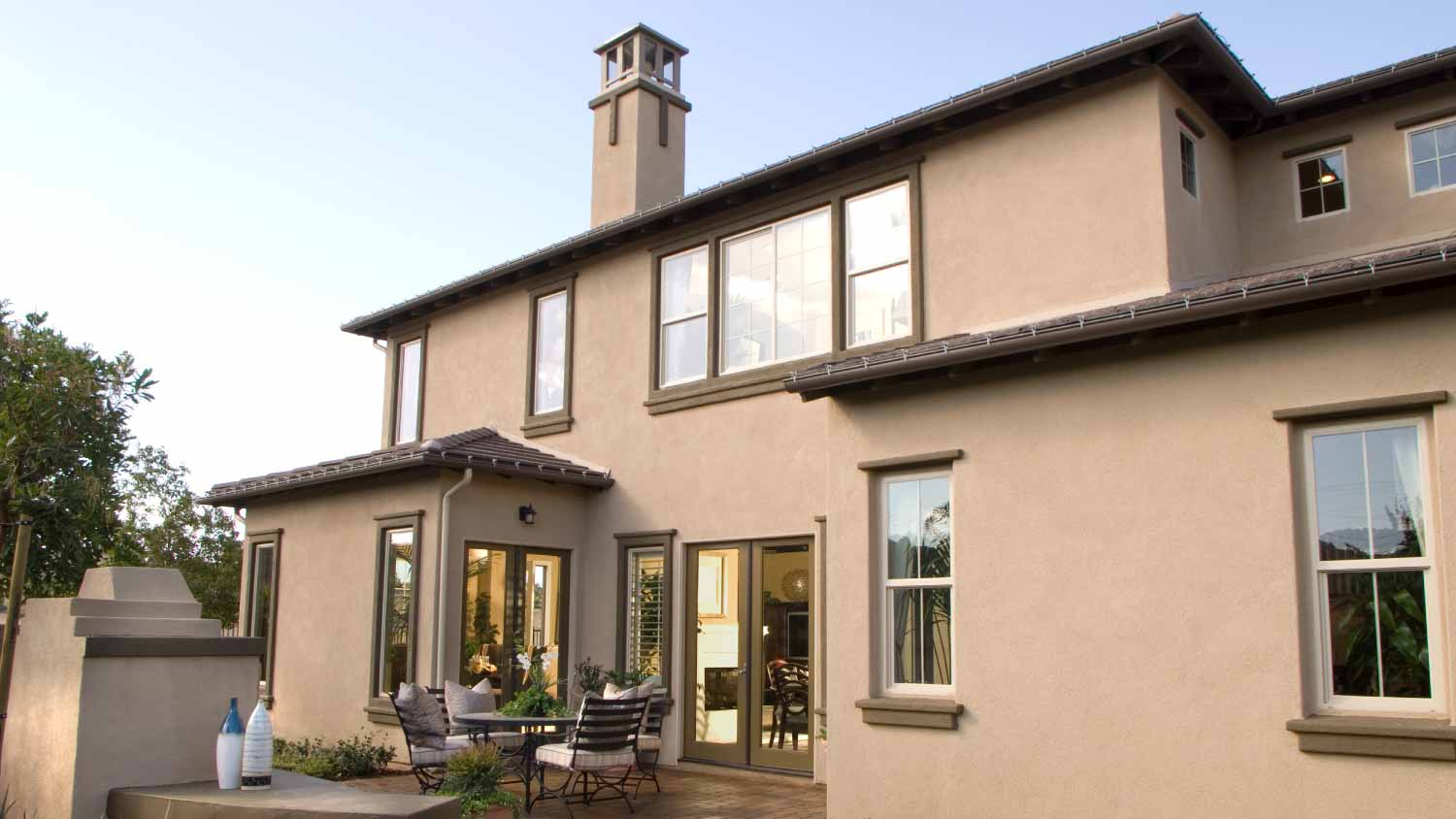
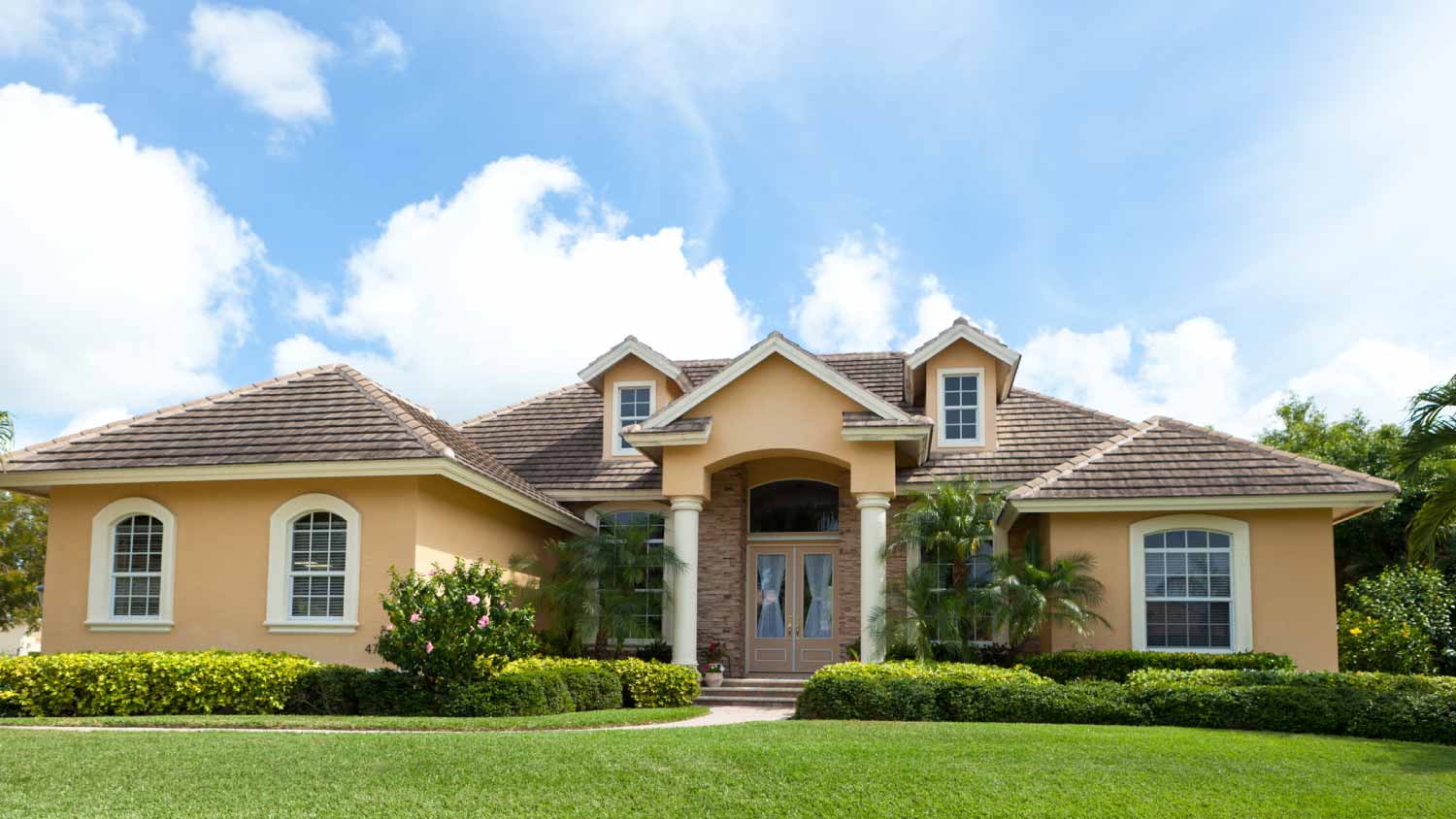
Neutral colors like white, tan, beige, and light brown are the most popular stucco colors. Natural stucco has a grayish color due to the high concentration of Portland cement in the material, but most homeowners have their contractors add pigments to create a more inviting appearance. Stucco is most popular in hotter climates, where it provides ample insulation to regulate interior temperatures and keep the solar heat out. Since lighter colors reflect more sunlight, lighter stucco is more prevalent.

The Geneva, NE homeowners’ guide to stucco services

From average costs to expert advice, get all the answers you need to get your job done.