


Modernized Excavate & Demolition
Building Site - Preparation and ClearingBuilding Site - Preparation and Clearing - For Business
Serving Elgin, NE and surrounding areas

*The Angi rating for Excavation companies in Elgin, NE is a rating based on verified reviews from our community of homeowners who have used these pros to meet their Excavation needs.
*The HomeAdvisor rating for Excavation companies in Elgin, NE is a rating based on verified reviews from our community of homeowners who have used these pros to meet their Excavation needs.
Last update on December 11, 2025
Serving Elgin, NE and surrounding areas
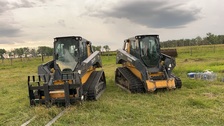
Serving Elgin, NE and surrounding areas
In business since 2023
Free estimates
Emergency services offered
"Did a good job of triming my trees."
Serving Elgin, NE and surrounding areas
In business since 2013
Free estimates
Bolling Excavating is Antelope County's premiere commercial & residential excavation company. With over a decade's worth of experience in the industry, we're considered masters within the trade. Regardless of the size & scope of your project, we ensure total customer satisfaction each and every time. Our approach to each project is calculated with an exceptional attention to detail, in addition to expert craftsmanship. The next time you're in the market for professional excavating, give us a call!
Serving Elgin, NE and surrounding areas
In business since 2017
Free estimates
Credit card accepted
Clifton Land Leveling and Excavation is committed to excellence in every aspect of our business. We uphold a standard of integrity bound by fairness, honesty and personal responsibility. Our distinction is the quality of service we bring to our customers. Accurate knowledge of our trade combined with ability is what makes us true professionals. Above all, we are watchful of our customers interests, and make their concerns the basis of our business.
Serving Elgin, NE and surrounding areas
In business since 2021
Free estimates
Credit card accepted
"He did a good job at a fair price. He was very polite and professional."
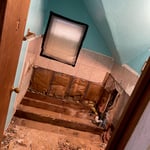
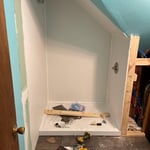
+3
Serving Elgin, NE and surrounding areas
In business since 2000
Reliant Construction offers full service home improvement crews, including roofing, siding, windows, and gutters. We service Northern Kansas, Eastern Colorado and the entire state of Nebraska. We will travel to your job request site.
From average costs to expert advice, get all the answers you need to get your job done.

Excavation costs $1,500 to $6,300 for most residential projects—but it depends on factors like the size of the area. This guide will help you plan a budget.

Preparing for a big excavation project in your yard? Find out excavator rental prices by type, project size, and more to budget for your project.

You can't have an in-ground pool without digging into the ground. How much does pool excavation cost, and can you take it on yourself? Our guide explains.

Can you excavate in the winter? Sometimes, but it’s complicated. Find out the pros, cons, and steps for planning a winter excavation project.

Discover what excavation is, the different types, and when it's needed in construction. Learn key insights for your next big home project.
Planning a backyard overhaul? Learn about grading and excavation costs, site preparation steps, and how to hire the right local pro for your project.