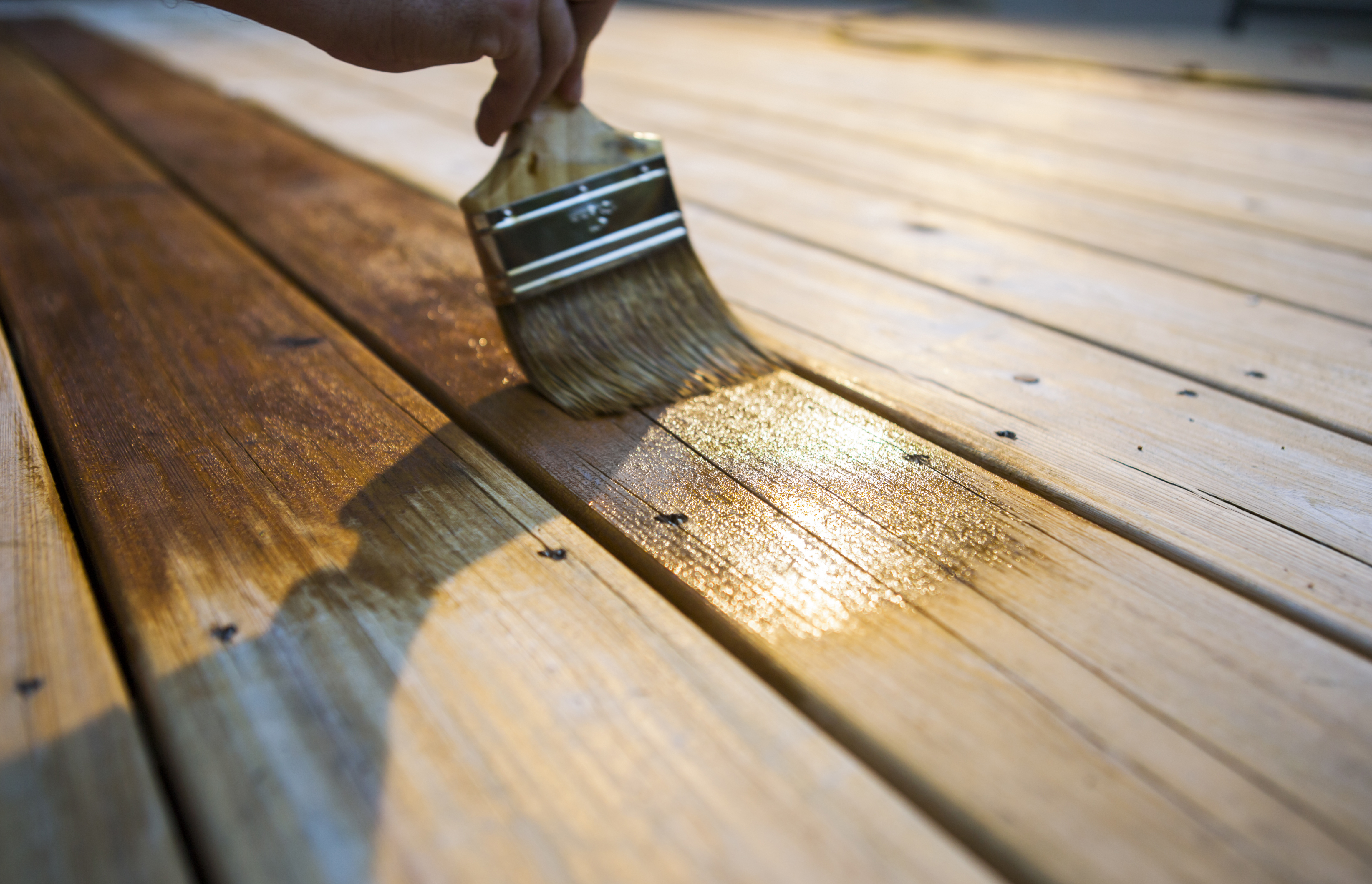


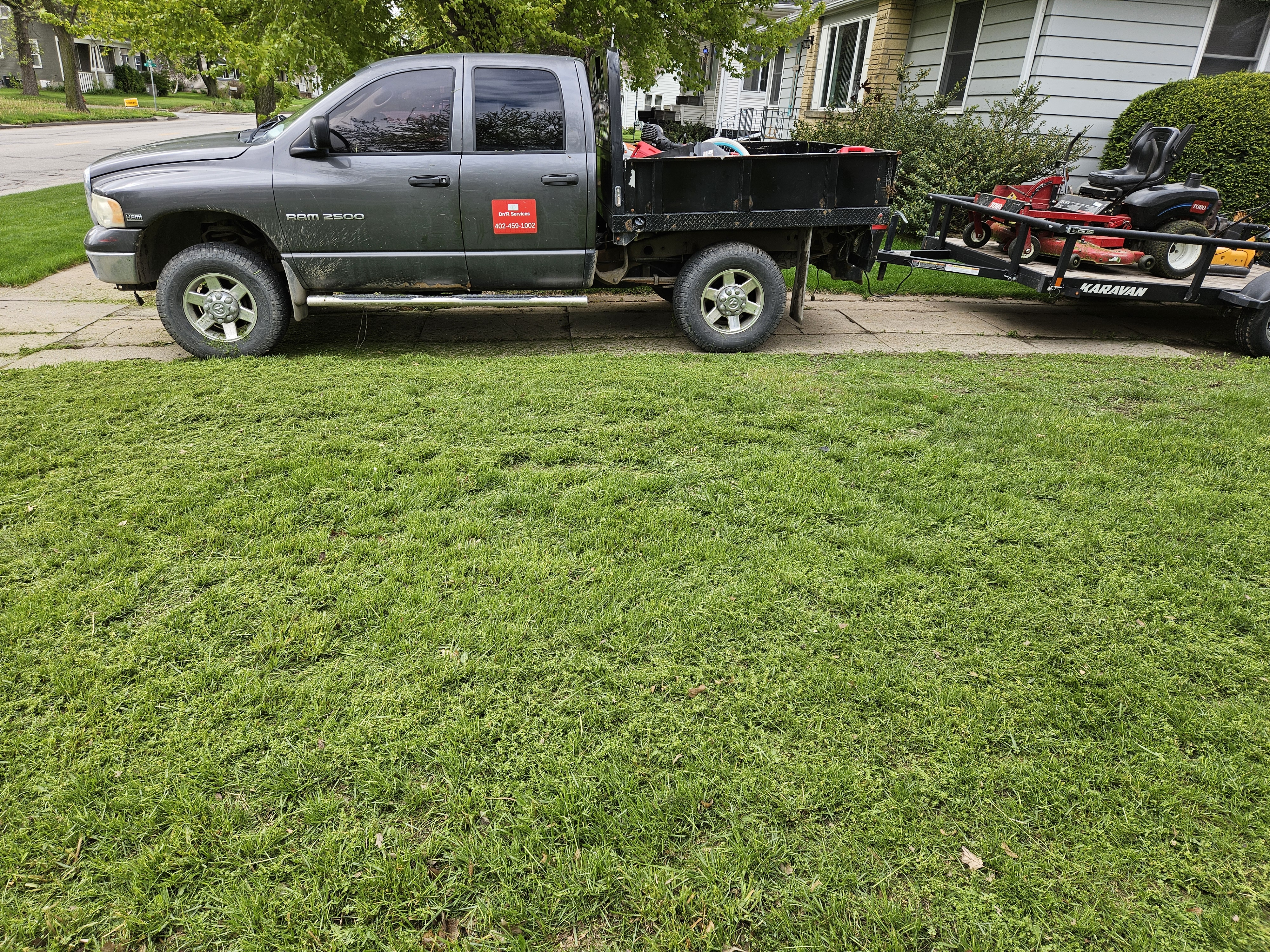


Top-rated deck maintenance specialists.

Get matched with top deck maintenance specialists in Dodge, NE

Enter your zip and get matched with up to 5 pros

Need a pro for your deck maintenance project in Dodge, NE?

Select your specific project to find the pro for you.

Find Deck maintenance specialists in Dodge

Avatar for LM Mowing
LM Mowing
3.7(
3
)
Deck, Fence, Patio or Porch - Clean and Seal

Serving Dodge, NE and surrounding areas

In business since 2011

Free estimates

Small jobs welcome

LM Mowing is a locally owned and operated company that values honesty and integrity in all aspects of our business. Our dedicated team of professionals have years of hands on experience, to provide innovative ideas and suggestions tailored to your projects. Our services are customized to your individual needs, paying close attention to the details of each project that we are involved with. Please feel free to contact us today!

work
Response time8 hrs
Recommended by100%of homeowners
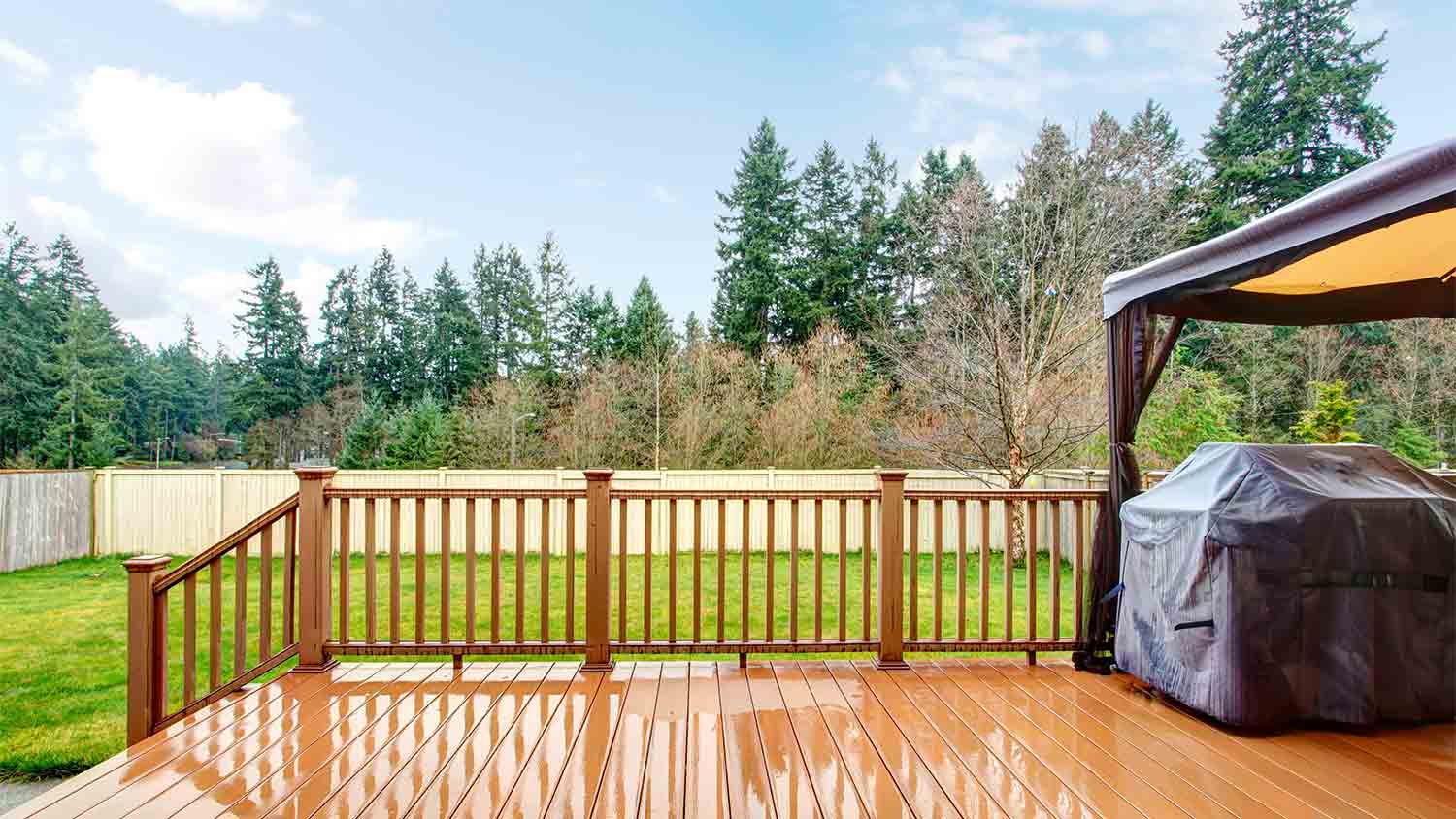
Showing 1-10 of 33
Deck Maintenance questions, answered by experts

You can add a roof to most decks, but you need to have it inspected first. If your deck didn’t come with a roof initially, it may not be able to handle the weight without some structural changes. You can add additional supports to your existing deck to safely add a roof, and tying your deck’s roof to an exterior wall can help add some structural stability, but remember these aren’t DIY projects and need to be left to a pro. 

The proper height for a stair riser or deck step is between four and seven inches, with seven inches often considered the most comfortable. Building your stairs to this height ensures a strain-free step position and minimizes the risk of trip and fall injuries. For optimal safety and comfort, especially on deck stairs, a rise of around seven inches should be paired with a tread depth (or run) of at least 10 to 12 inches. While it is possible to design stairs with risers up to 12 inches, this height can be challenging for children, pets, or individuals with mobility issues. Always check with your local building codes, as they may mandate specific dimensions that differ from these general recommendations.

In most cases, your deck will need some form of deck footing to hold it in place, preventing moisture from rotting your wood and decreasing your deck’s lifespan. Concrete deck blocks are the most common type of footing for floating decks. Some homeowners use ground-level deck footings. For added security, consider digging and laying your ground-level footings below ground.
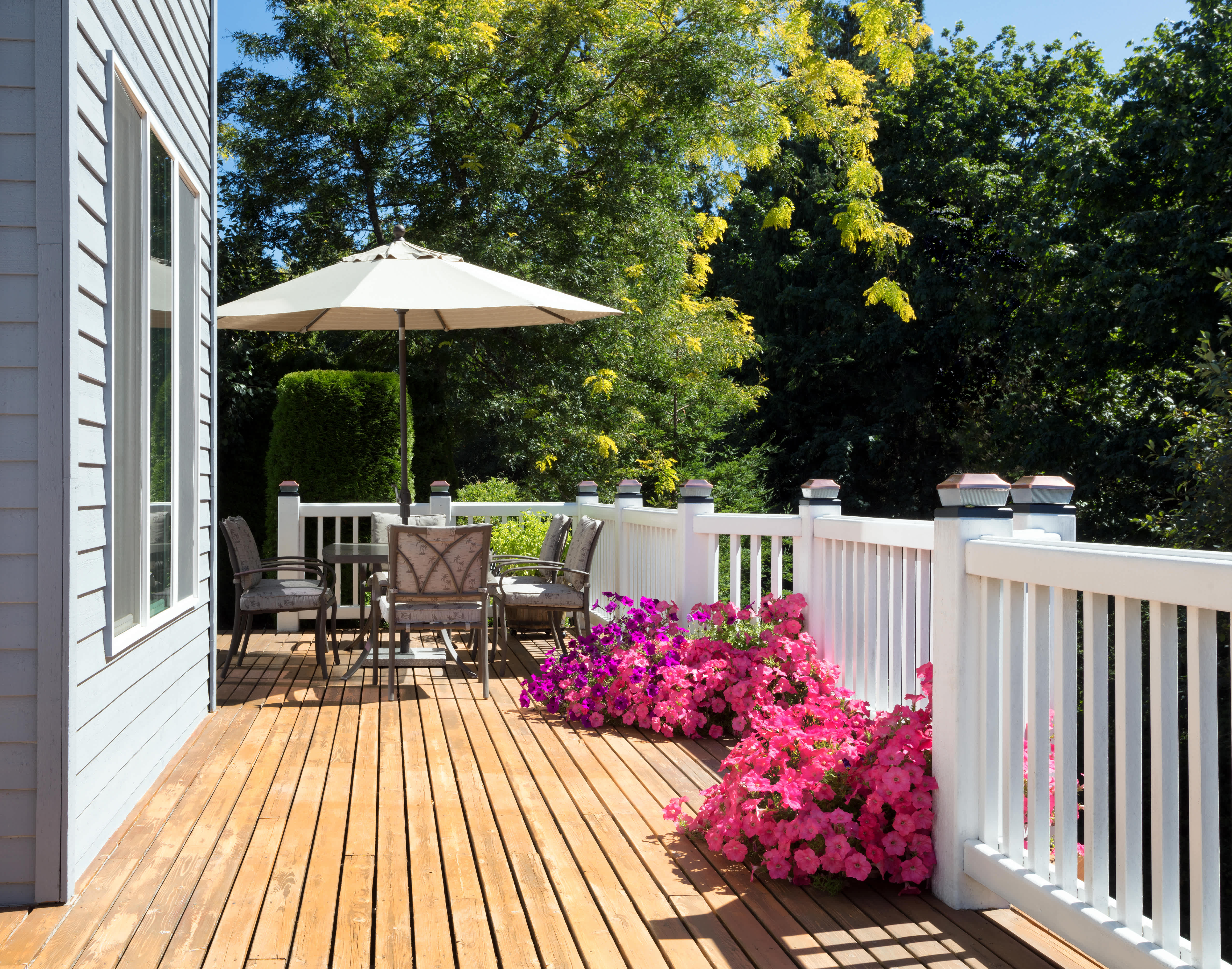
Most building codes list a minimum width of 36 inches and a maximum height of 7¾ inches. However, for the most comfort and spaciousness, you’ll want to aim for a width of at least 48 inches and a height of 7 inches. Again, it’s always a good idea to base your numbers off steps that you already use comfortably.

Space deck handrail posts four to six feet apart. If the posts are more than six feet apart, the railing will be less able to withstand lateral forces and is more susceptible to breaking. Additionally, railing posts that are more than six feet apart may not be up to code, and you may face fines and be required to reinstall the posts to bring them up to code.

The Dodge, NE homeowners’ guide to deck maintenance services

From average costs to expert advice, get all the answers you need to get your job done.