





Top-rated deck maintenance specialists.

Get matched with top deck maintenance specialists in David City, NE

Enter your zip and get matched with up to 5 pros

Need a pro for your deck maintenance project in David City, NE?

Select your specific project to find the pro for you.

Find Deck maintenance specialists in David City

Avatar for Koby's Lawncare
Koby's Lawncare
5.0(
4
)
Deck, Fence, Patio or Porch - Clean and SealDeck, Fence, Patio or Porch - Clean and Seal - For Business

Serving David City, NE and surrounding areas

Approved

In business since 1998

Free estimates

Small jobs welcome

"Greg did a great job removing 3 large bushes in the front of my house. He was very professional and thorough. Did an excellent job Cleaning everything up. He was also nice enough to remove and install a new mail box post in for me."
Response time8 hrs
Recommended by100%of homeowners

Wood Construction
4.2(
5
)
Deck, Fence, Patio or Porch - Clean and SealDeck, Fence, Patio or Porch - Clean and Seal - For Business

Serving David City, NE and surrounding areas

In business since 2015

Free estimates

Offers commercial services

"Joe and his team were very professional, efficient, honest and extremely fair with the prices. Joe’s a former service member so I felt good about working with another veteran. They did an amazing job on my fence, and repaired it so well it almost looked new, despite it being an old fence. Would absolutely recommend to anyone looking for a repair or replacement."
Response time2 days
Recommended by100%of homeowners

Showing 1-10 of 42
Deck Maintenance questions, answered by experts

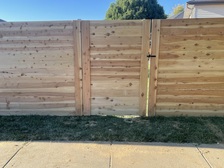
The best direction for a gate to swing depends on its location and purpose, but swinging inward is the general rule. An inward swing is often considered safer, prevents the gate from opening into public spaces like a sidewalk, and may be required by local building codes.

There are exceptions and specific considerations. If your property is on a slope, an inward swing might not be possible. For a deck gate, it's safest to have it swing away from any steps. In a backyard, the direction can be a matter of preference, though an inward swing can be helpful when carrying heavy items like a wheelbarrow into a garden.

Regardless of direction, ensure the gate can open fully without hitting any objects or blocking spaces. While an inward swing is standard, a gate that can swing both in and out offers the most flexibility if your setup allows for it.
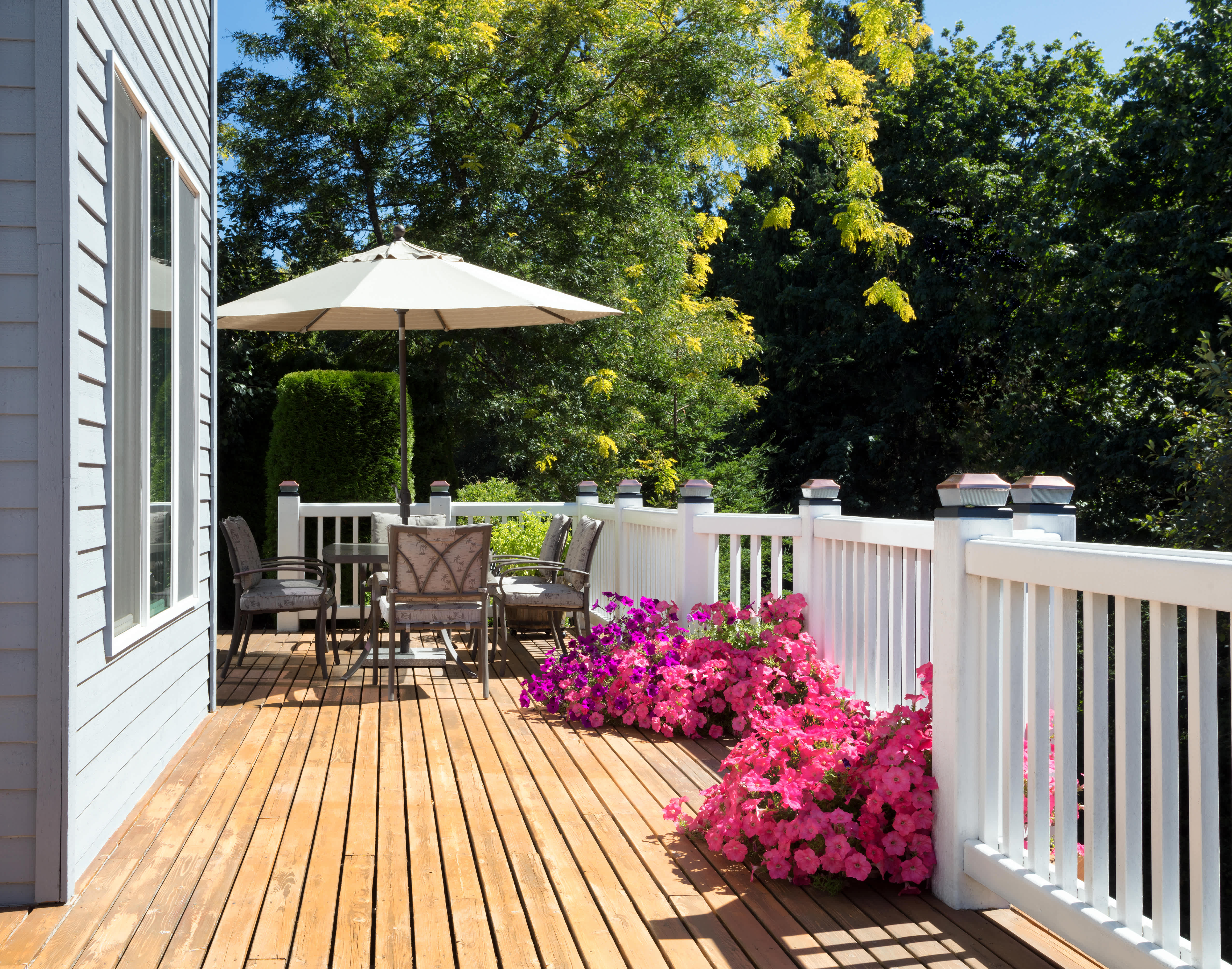
Rot loves moisture, so deck rot typically impacts the parts of a board that stay wet. This includes the underside of boards, in addition to support posts and joists. However, any part of a board can rot, given the right conditions. 

When building an outdoor or deck gate, it's crucial to use durable wood that can withstand harsh weather conditions like sunlight, rain, wind, and snow. Redwood and cedar are excellent choices as they naturally resist decay. While redwood is considered more elegant, cedar is a more affordable option. Other suitable woods include oak and pressure-treated pine, which is specifically treated to resist rot. Although some softwoods like pine are popular, untreated softwoods such as pine and spruce should generally be avoided for outdoor projects because they are susceptible to damage from water, rot, and the sun. Ultimately, it's wise to consider your local climate when selecting the right wood for your gate.

How long it takes to install composite decking depends on the size of the decking material, the skills of the person installing the deck, the number of people helping, and how much prep work needs to be done before you can begin. Generally speaking, it takes anywhere from a few days to several weeks to build a composite deck.

The proper height for a stair riser or deck step is between four and seven inches, with seven inches often considered the most comfortable. Building your stairs to this height ensures a strain-free step position and minimizes the risk of trip and fall injuries. For optimal safety and comfort, especially on deck stairs, a rise of around seven inches should be paired with a tread depth (or run) of at least 10 to 12 inches. While it is possible to design stairs with risers up to 12 inches, this height can be challenging for children, pets, or individuals with mobility issues. Always check with your local building codes, as they may mandate specific dimensions that differ from these general recommendations.
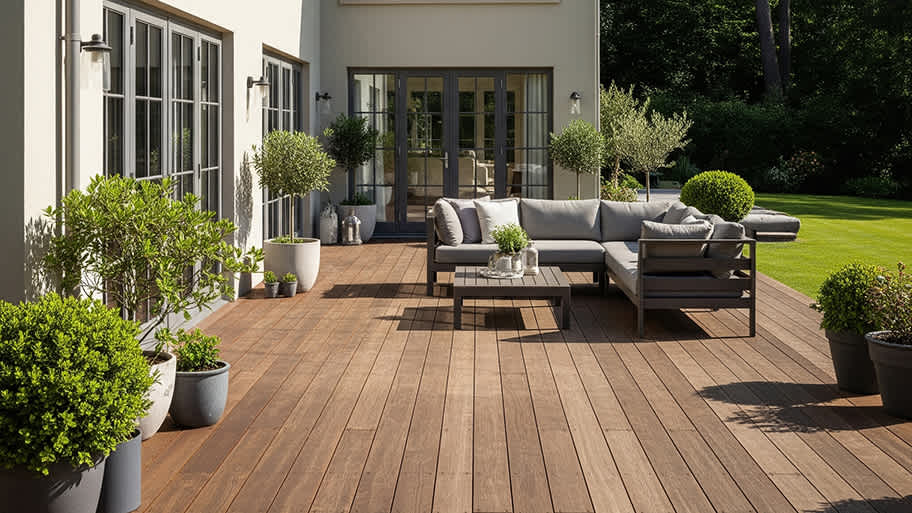
The David City, NE homeowners’ guide to deck maintenance services

From average costs to expert advice, get all the answers you need to get your job done.