"The tech was very knowledgeable and went above and beyond to satisfy us. Our faucet was broken would not attach to the sink as the copper seal broke to the water lines."
"One oven doesn't work at all ( my choice, see above), the "working" oven was never calibrated properly so using it is hit or miss. It's time to call American Home Shield to see about replacing the entire unit. I'm waiting to finish other home projects before calling them. I don't know if I'll request Greenway again."
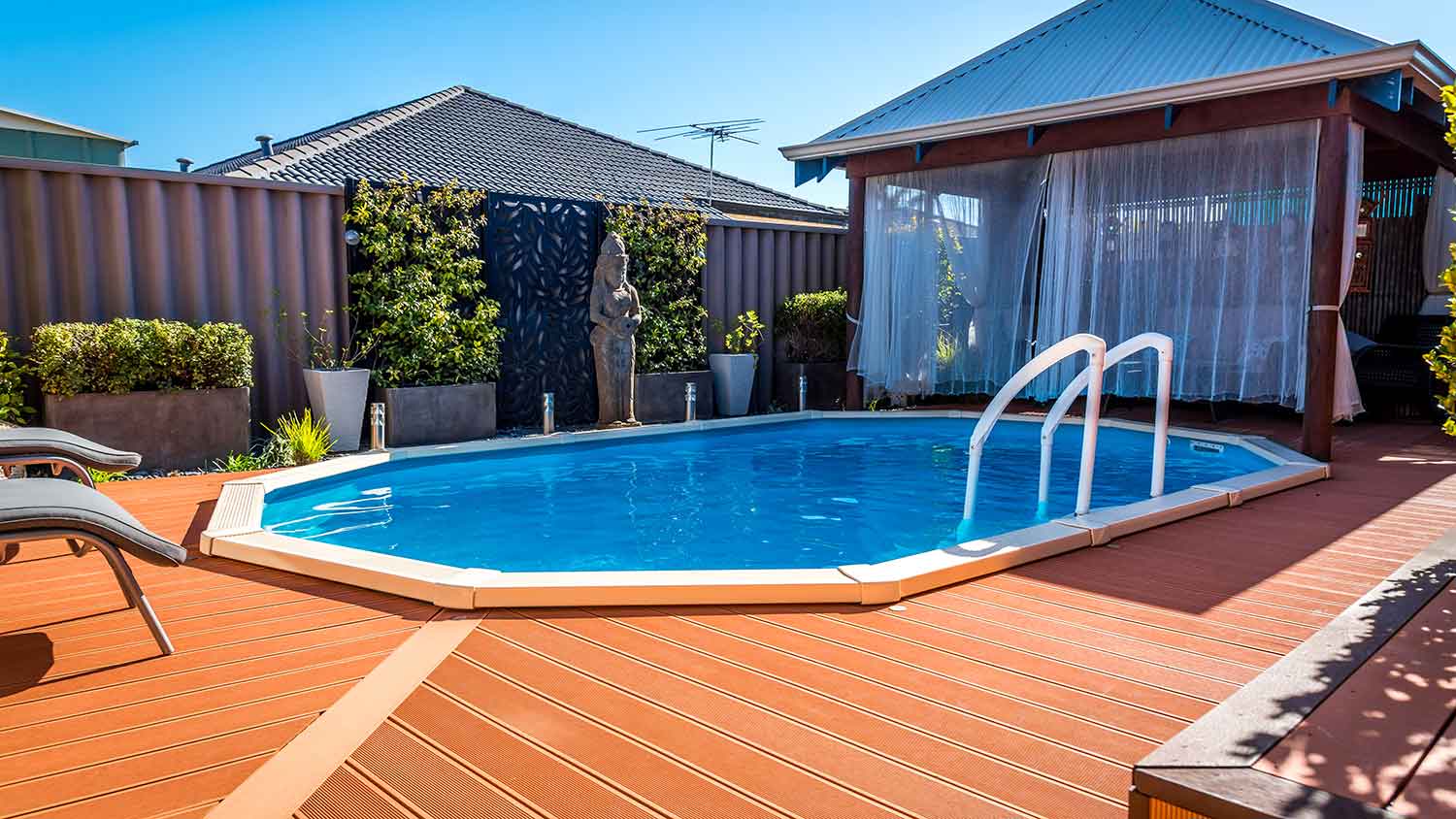
"I hired Donald to build a sundeck around my pool, that was in dire need of repair. Not only was he prompt and curtious, but he was very helpful and gave me suggestions that I hadn't thought of! Kudos to this company, and his attentive and helpful crew! Thank you Anointed Power!!!"
Install Above Ground Pools questions, answered by experts
Permits are generally required to build an in-ground swimming pool. These permits cover aspects like zoning, safety fencing, and electrical work. Obtaining the correct permits involves coordination with local building authorities.
Off-season pool-building prices often align with the time of year you're least likely to use a pool. Many contractors offer deals in the late fall and winter to bolster the slow time of year. However, if you live in an area with freezing winters, you'll need to wait beyond the final frost and threats of extreme weather.
You should always run your pool pump in freezing weather to keep the water moving. Doing so prevents the pool water from freezing and protects your pool from the damage that often comes along with frozen water. You should also run your pool pump when temperatures are approaching freezing, as a precaution. There’s no need to run a pool heater during the winter, as keeping water moving is generally enough to keep it from freezing.
Yes, you can put too much shock in a pool, and it is crucial to follow the directions on the product you are using. Adding excess shock can upset the chemical balance, make the water cloudy, have adverse effects on swimmers, damage pool equipment or surfaces, and even encourage certain types of algae to grow. If you have over-shocked your pool, perform a water test and adjust the chemicals as necessary. The pool's chemical balance will eventually return to normal as the excess chlorine dissipates over time.
No, shock and chlorine are not the same thing, though they are related and both are used for pool maintenance. Regular chlorine, often in the form of tablets, is a sanitizer used for routine, day-to-day maintenance to keep a steady chlorine level. Pool shock, however, is a highly concentrated dose of chlorine used periodically for a more intense cleaning. It rapidly raises chlorine levels to fix issues like cloudy water or algae growth and also eliminates chloramines, which are byproducts of regular chlorination. Because their purposes and concentrations differ, they are not interchangeable, and proper pool care typically requires using both.
The Deshler, NE homeowners’ guide to above ground pool installation services
From average costs to expert advice, get all the answers you need to get your job done.
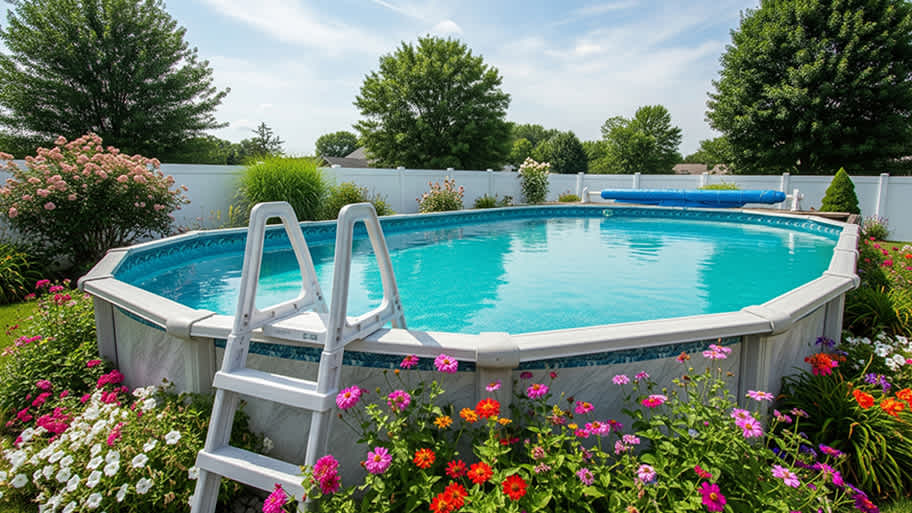
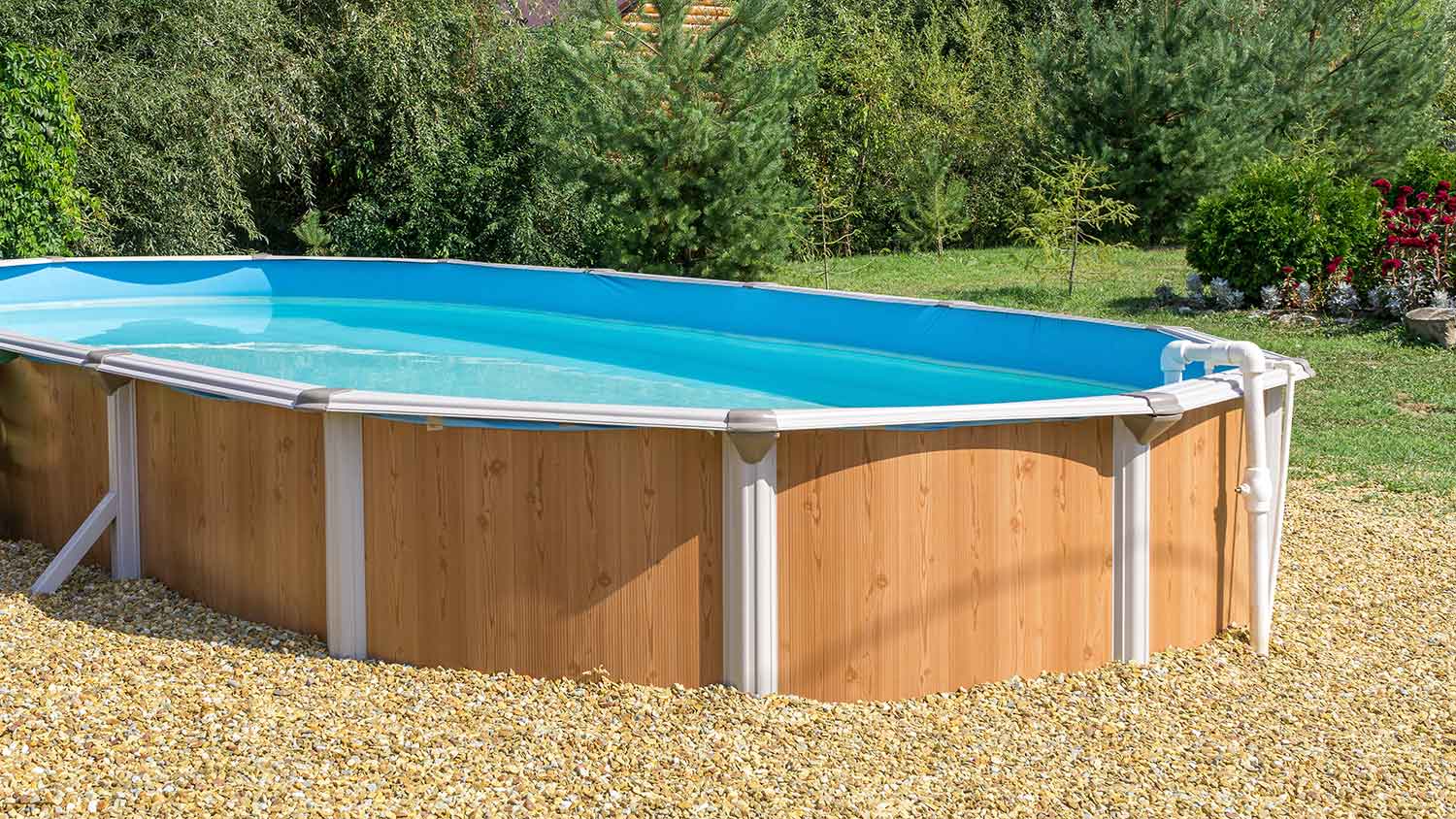
Ready for a backyard oasis? Learn everything about above ground pool installation, including average costs, site prep, and how to hire local pool installers.
Above ground pools are more affordable than inground pools, so can you put an above ground pool in the ground to save money? Learn when it’s safe to do so.