


Hometown Haulers LLC
Tree RemovalTree Trimming
Serving Cozad, NE and surrounding areas
In business since 2024
Free estimates
Credit card accepted
"The boys do an amazing job at what they do! Done precise and in a timely manner!"
Response time30 mins
*The Angi rating for Tree Service companies in Cozad, NE is a rating based on verified reviews from our community of homeowners who have used these pros to meet their Tree Service needs.
*The HomeAdvisor rating for Tree Service companies in Cozad, NE is a rating based on verified reviews from our community of homeowners who have used these pros to meet their Tree Service needs.
Last update on July 07, 2025
Serving Cozad, NE and surrounding areas
In business since 2024
Free estimates
Credit card accepted
"The boys do an amazing job at what they do! Done precise and in a timely manner!"
Serving Cozad, NE and surrounding areas
In business since 2020
Free estimates
Credit card accepted
"They completed the project within the quoted amount and left the yard clean."
Serving Cozad, NE and surrounding areas
In business since 2024
Free estimates
Offers commercial services
"Great value job was done professionally and on time. Guys working were respectful and professional. Sis exactly what was asked and even added some on. Would recommend would use again."
Serving Cozad, NE and surrounding areas
In business since 1992
Free estimates
We have over 10 years of experience in the business. Here at PM Tree Service, we pride our company on reliability, great communication, integrity, and quality work. We are experts in our trade and will do our best to keep you as educated as we can on your particular task or project. We look forward to earning your business! \n \n
Serving Cozad, NE and surrounding areas
In business since 2005
Free estimates
Emergency services offered
"He did such an awesome job and did exactly what I asked. He even double checked all of his work and it was great. I will definitely be calling him again."
Serving Cozad, NE and surrounding areas
In business since 2022
Free estimates
Offers commercial services
Here at Zoe Painting we take great pride in our experience, expertise, quality, and customer service that we provide to meet the consumers needs. It is our mission to provide excellent workmanship and complete customer satisfaction from start to completion of a project. In order to understand the needs and expectations of our customers, we take great care to work and communicate with every customer in a professional manner. Our reputation is based on service, safety, and quality, regardless of how large or small the job. Call us today!
Serving Cozad, NE and surrounding areas
In business since 2019
Free estimates
308 Pipe Works is committed to excellence in every aspect of our business. We uphold a standard of integrity bound by fairness, honesty, and personal responsibility. Our distinction is the quality of service we bring to our customers. Accurate knowledge of our trade combined with ability is what makes us true professionals. Above all, we are watchful of our customers' interests, and make their concerns the basis of our business.
From average costs to expert advice, get all the answers you need to get your job done.

If you're dreaming of rocking around your—professionally decorated—tree this season, this is how much a Christmas tree decorating service will cost you.

How much does an arborist cost? This guide explains the cost of different services, ongoing expenses, and other factors to consider when hiring an arborist.

Get a clear estimate of palm tree maintenance cost, including trimming, fertilization, and pest control, so you can keep your palms healthy and your budget on track.
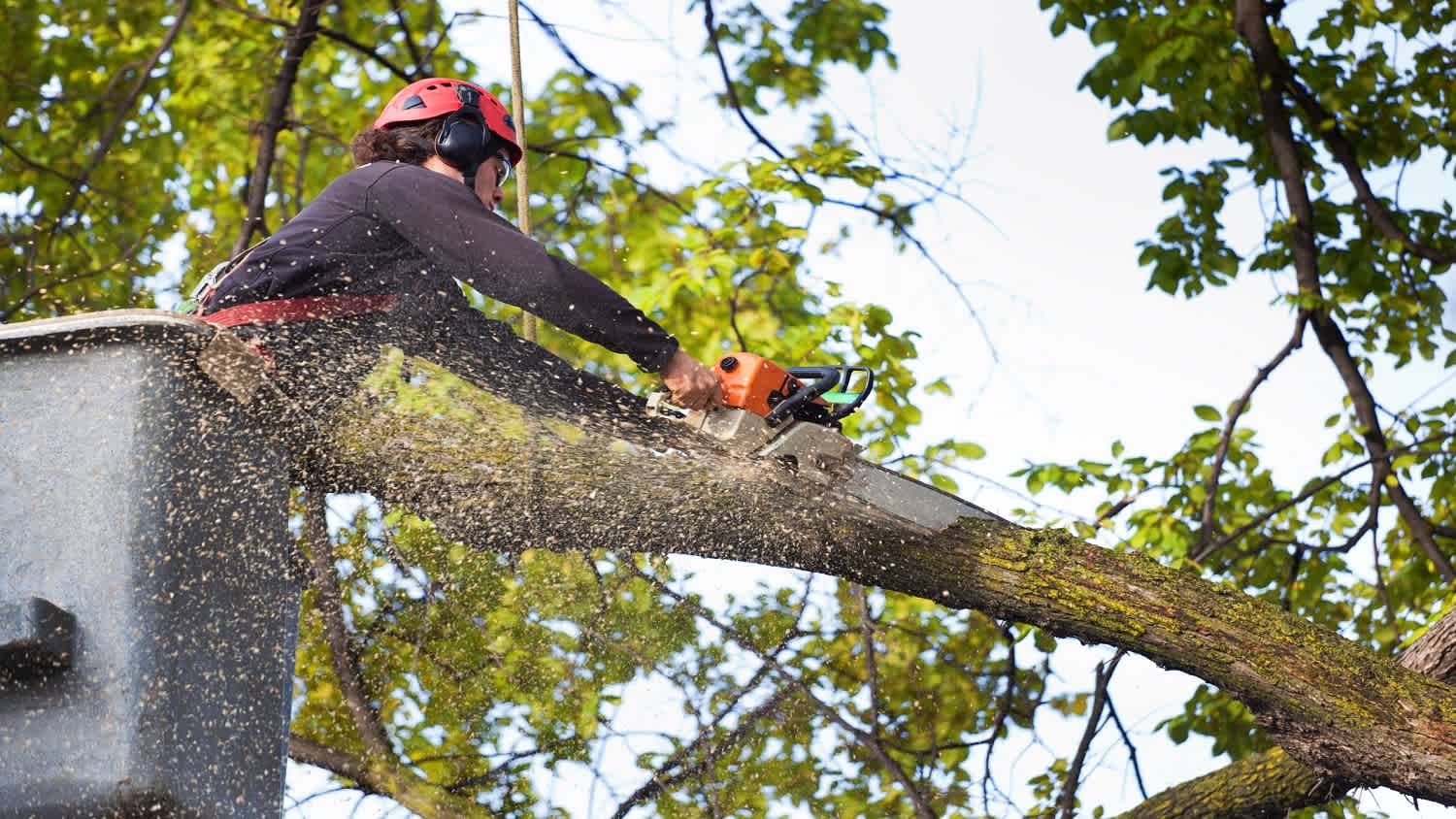
You suspect that the leaning oak tree in the back needs to come down, but can you just handle it yourself? Here are the pros and cons of calling a tree service.

Don’t get ripped off when hiring a professional tree service to remove trees. Make sure you watch for these scams that occur much too often.
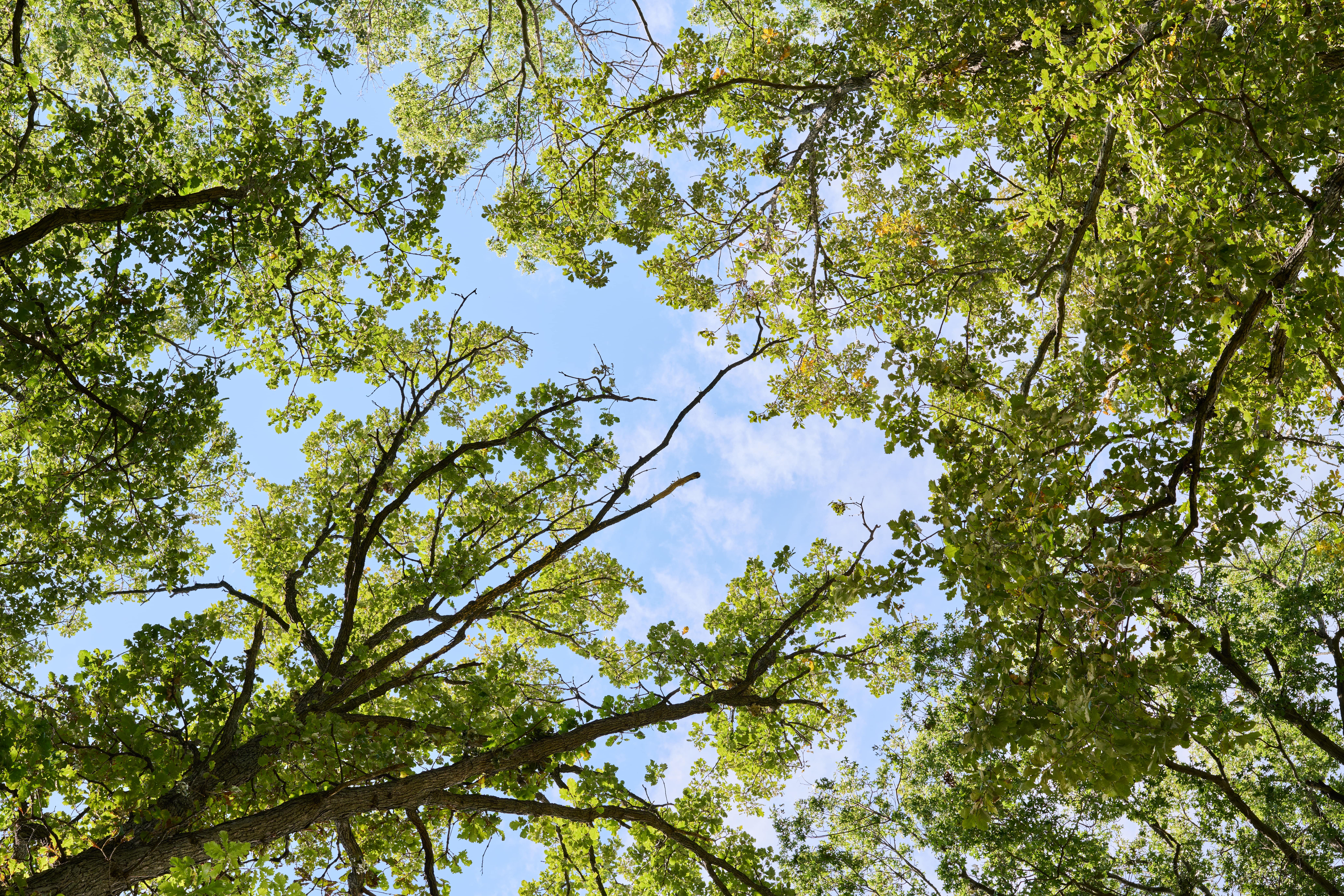
Are there insurance requirements for tree services? Whether you’re having your trees trimmed or finally removing that old oak from your front yard, you’ll want to make sure your tree company or contractor has these two types of insurance, at minimum.