



Top-rated energy efficiency auditors.

Get matched with top energy efficiency auditors in Bennington, NE

Enter your zip and get matched with up to 5 pros

Need a pro for your energy efficiency auditing project in Bennington, NE?

Select your specific project to find the pro for you.

Find Energy efficiency auditors in Bennington

Avatar for Custom Air Care
Custom Air Care
5.0(
3
)
Energy Audit - For BusinessHome Energy Audit

Serving Bennington, NE and surrounding areas

In business since 1991

Free estimates

Emergency services offered

"Absolutely amazing! He was so knowledgeable and so kind. It was late at night and he came out right away because I was pregnant and had a child with pnemonia and it was freezing in the house. I will only use this company. Literally the best!!! I recommend them to everyone."
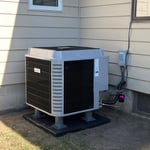
Outdoor condenser
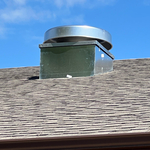
Ventilation Hood Install
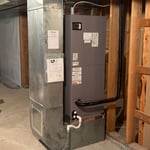
Indoor air handler
Hood on the roof
Onsite Fabrication

+9

Recommended by100%of homeowners
Energy Efficiency Auditing questions, answered by experts

Yes, these services often increase home value by preventing moisture-related issues and enhancing the usable space in basements or crawlspaces.

There is no blanket figure for a residential home’s electrical load, since load varies by the size of the home, how many appliances are used, and the efficiency of their electrical systems. Typically, however, it’s safe to assume 40 to 60 amps is the average electrical load of a residential home. 

Yes, a dirty air filter can cause a higher electric bill. That’s because clogged filters make it harder for air to flow through your HVAC system, which forces it to work harder and use more energy. According to the U.S. Department of Energy, replacing dirty filters can save you between 5% and 15% in utility costs.

R-value measures an insulation material's thermal resistance, indicating its ability to resist heat transfer. A higher R-value signifies better insulation performance because the material is more effective at slowing heat flow. The R-value depends on the type, thickness, and density of the insulation material, such as fiberglass, foam, or cellulose. Each inch of insulation typically provides an R-value between 3 and 8. There is no single universal R-value; the optimal choice depends on your climate zone. Colder climates require a much higher R-value than warmer ones to maintain energy efficiency, keep the home warm in winter and cool in summer, and manage costs.

Blower door tests are measured in a few different ways, but the most popular are air changes per hour (ACH) and cubic feet of air (CFM) moving through the house per hour. A good ACH score is less than 2ACH, but 1ACH is better. This means the house experiences a total air change within 60 minutes (for 1ACH). For 2ACH, there’s a complete change every 30 minutes, and so on. CFM scores are similar in that a lower score means less air change, and therefore less leakage.

The Bennington, NE homeowners’ guide to energy efficiency auditing services

From average costs to expert advice, get all the answers you need to get your job done.