





Top-rated generator install pros.

Get matched with top generator install pros in Beemer, NE

Enter your zip and get matched with up to 5 pros

Need a pro for your generator install project in Beemer, NE?

Select your specific project to find the pro for you.

Find Generator install pros in Beemer

Avatar for JP Electric, Inc.
JP Electric, Inc.
5.0(
21
)

Serving Beemer, NE and surrounding areas

In business since 2004

Free estimates

Emergency services offered

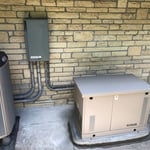
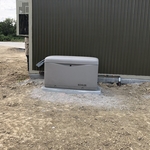
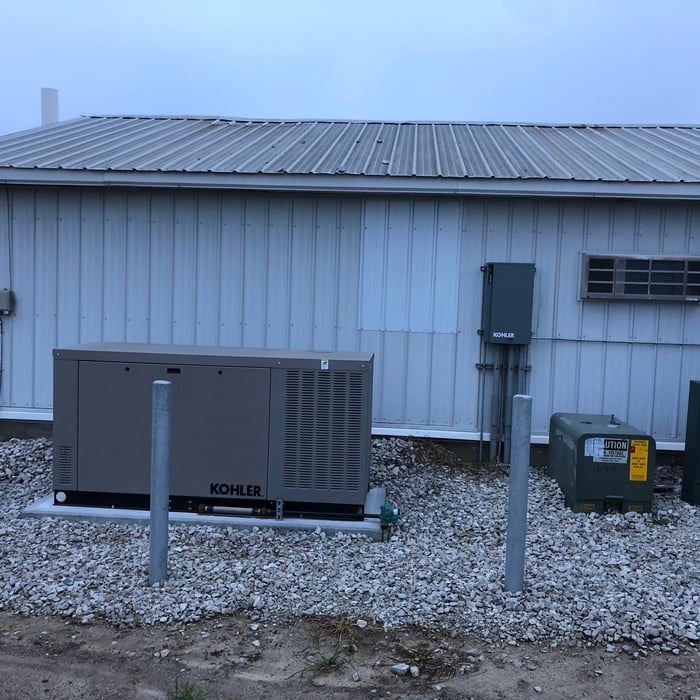
"JP Electric re-defines professionalism in every respect... We had two Kohler generators installed on adjacent properties, and from the initial quote to the final cleanup we were dealing with superbly qualified and professional individuals. The installation was A+ in terms of fit and finish, and Jeff was on top of every aspect of the process, even lining-up the gas company, and the permit officials so that the tasks to be done inside could fit our schedules. We will have JP Electric install another generator at a rental property next Spring and we look forward to what we already know will be a great installation and follow-up service!"
Kohler 48RCL
KOHLER 20RESD
KOHLER 20RESC
KOHLER 60KW industrial
Kohler 48RCL

+22

Response time1 day
Response rate89%
Recommended by95%of homeowners

Generator Install questions, answered by experts

A portable generator can supply power to selected appliances and circuits in a home, but it's generally not designed to handle the entire household's electrical needs simultaneously. Portable generators have limited wattage capacity, so they are only designed to power essential devices and electronics temporarily until local power is restored. If your power needs outweigh the capabilities of a portable generator, consider installing a whole-home generator instead.

While the rating will tell you how many watts the refrigerator needs at the peak of its cycle, it requires additional wattage to start. At the bare minimum, you’ll need a 1,500-watt generator to get the fridge up and running after a blackout. A 2,000-watt generator should be sufficient for most home refrigerators.

Potential benefits of using a natural gas generator include reducing your carbon footprint, lower likelihood of carbon monoxide exposure, budget-friendly operating costs, and low-maintenance, continuous fuel supply. Some possible drawbacks, though, include higher initial installation costs, dependency on a natural gas supply, and installation complexity. Keep in mind that pros and cons will vary based on the type and brand of natural gas generator. 

Sizing a generator is a careful process that requires calculating the electrical load of your entire house. You have to take into account every device you want to use and their wattage requirements, plus the wattage needed to start them, and look for a generator that can safely run all that at around 80% capacity.

In more practical terms, a small home can run on a 10,000-watt generator (and if you only want to power a few key appliances, much less than that). A mid-sized home may need something between 15,000 and 22,000 watts. Larger homes require 25,000 watts or more. 

These advanced generators use a key fob or a smartphone app to remotely start, which is ideal for getting power back on immediately without venturing outside. This feature is more common on whole home generators, but you may be able to find it on large portable generators, too.

The Beemer, NE homeowners’ guide to generator installs

From average costs to expert advice, get all the answers you need to get your job done.