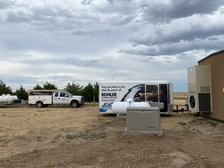
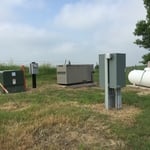
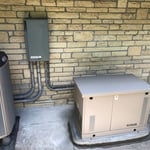
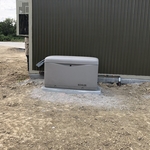
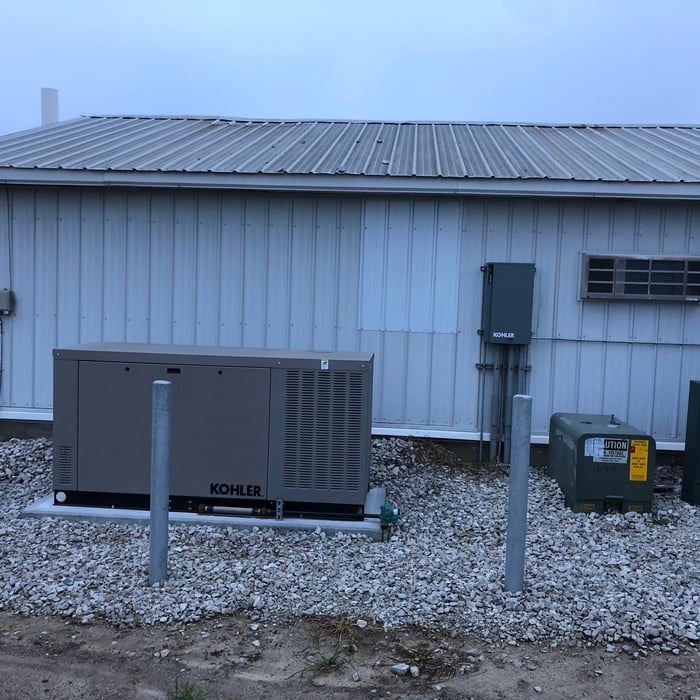
"JP Electric installed a Kohler generator for us and they did an excellent job! They were on time and on budget. The generator looks and works great and we could not be happier. HIGHLY RECOMMEND JP ELECTRIC!!!!!"
"Excellent results. Upgrades were thoroughly discussed in advance or work starting. Installation work was done with better than expected results. Chris is an excellent technician. Would recommend his services to anyone wanting quality work."
Egbers Enterprise is certified and known for giving his clients exceptional service in all of their house hold needs. He will help evaluate how you can save on your heating and cooling by making simple changes in your household. He has worked with green energy as well and can give you options for going green. Call today to find out why Egbers Enterprise is highly recommended!
"We hired Anointed Power after a sewer flood caused major damage inside of our home; Donald Moore and his crew came in fast, professional and handled all the repairs. During the times Donald had to step away his crew interacted with our family with complete professionalism. Donald helped us with several issues concerning our Insurance Coverage and even took the time to meet with US Bank when they came to inspect the work he completed. Our home looks wonderful! New paint; new cabinets and fresh new carpet; all completed two weeks prior to our agreed upon deadline. Donald Moore fought my Insurance company's scope of work and showed them why I needed my whole carpet replaced; I would not have been able to convince State Farm with out his professional view and input. He did such a good job on the inside we had him build us a new deck in front;; he even re varnished my back deck to match the new one he installed! I would recommend this company to anyone; hell even my Insurance Adjuster took his card after seeing the quality work he and his crew completed. Thank You Anointed Power; your name speaks for its self and your actions back that name up!"
Miles Electric Company, is committed to excellence in every aspect of our business. We uphold a standard of integrity bound by fairness, honesty and personal responsibility. Our distinction is the quality of service we bring to our customers. Accurate knowledge of our trade combined with ability is what makes us true professionals. Above all, we are watchful of our customers interests, and make their concerns the basis of our business.
The average cost to install a home generator is $5,200, but total costs can range from $500 to $18,000 or more. The final price depends on several factors, including the generator's size, type, brand, fuel source, and the cost of labor and assembly. The generator's size is the most significant cost factor, as units that can power larger homes with higher energy demands cost more.
Cost breakdowns by generator type are typically as follows:
Portable or Emergency Backup Generators (1kW–7.5kW): $500–$2,000
To ensure you get the right size unit for your needs without overpaying, consider hiring an electrician to calculate the electrical load of your essential appliances. It is also recommended to get at least three quotes from qualified installers to find the best fit for your budget.
Yes, installing a generator usually increases your property value because buyers are getting the added peace of mind knowing they’ll be able to maintain power through blackouts. In most cases, you should see close to a 100% return on investment (ROI). Keep in mind that home generators usually need a permanent foundation, and installing a concrete slab will likely raise your property taxes slightly.
You can expect a diesel generator to last for up to 30,000 hours of use, which works out to 20 to 25 years with the proper maintenance, of course. That depends on how much you use it, so a diesel generator used for emergencies a couple of times a year will last a lot longer than a generator that takes over for a faulty electrical grid every month for a day or two.
Whole-house generators can run continuously for extended periods, even for weeks at a time (around 400 to 500 hours), as long as they have a sufficient fuel supply. However, this type of extensive use will increase wear and tear and can shorten the generator's overall lifespan. During long periods of operation, it's important to check and refill the engine oil as needed, potentially as frequently as daily depending on the model. If your generator uses a fuel tank, ensure it is kept full to prevent unexpected shutdowns.
In most municipalities, you will need a permit to install a permanent home generator, including emergency backup, partial-home, and whole-home generators. A permit for a generator usually costs between $50 and $250, depending on where you live. Your electrician or certified generator installer will usually pull the permit for you—and might be required to do so by your building department—but you’ll be on the hook for the cost of the permit. You should ask your installer before agreeing to any work if they will pull the necessary permits for your project.
The Tekamah, NE homeowners’ guide to generator installs
From average costs to expert advice, get all the answers you need to get your job done.
Natural gas generators are whole-home standby generators that are connected to your home’s natural gas line. The average cost for a natural gas generator is $12,000.
Generators should give you peace of mind, but you’ll only get that if your installer knows what they’re doing. Learn how to hire a pro and what red flags to look for.
Thinking about a generator installation? Learn about backup power options, costs to expect, and how to hire the right local pro to keep your home running.