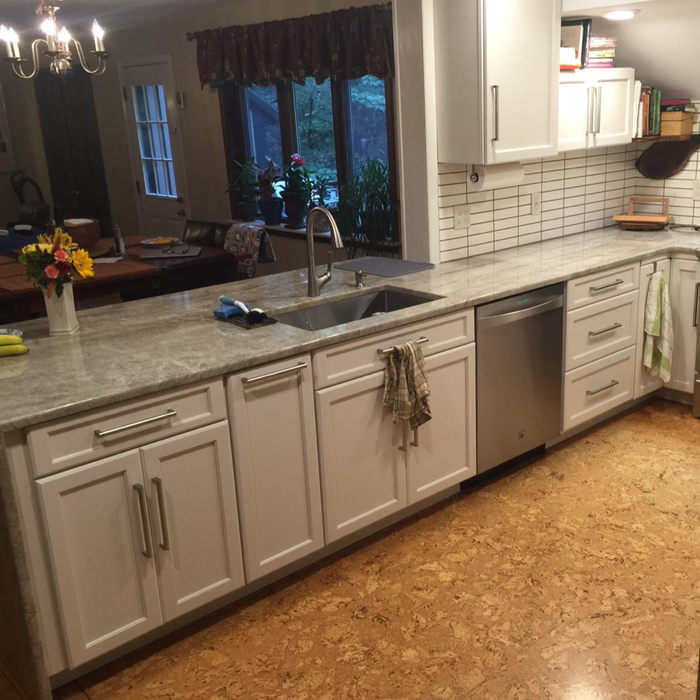
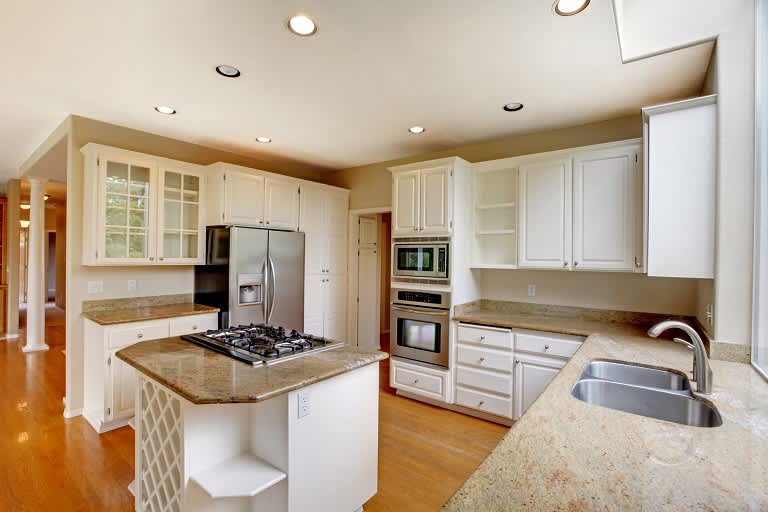
"We love our cabinets! They look fantastic while remaining affordable. The friendly staff at AWD helped us from start to finish. They are very knowledgeable and gave us advice and tips when needed. They were receptive and patient with our ever-changing needs. Once we finalized our purchase, we received our cabinets within two weeks! The cabinets are very sturdy and the color is beautiful. The hinges and hardware are high quality. We are extremely pleased with AWD and would recommend them to any friends or family looking for good cabinets at a fair price."
"Yes I got the job and Homeowner was Happy and I the best was the office Material and everything I needed was Tristen Did Fabulous Job would work with on any project Thank you Tristen awesome Job"
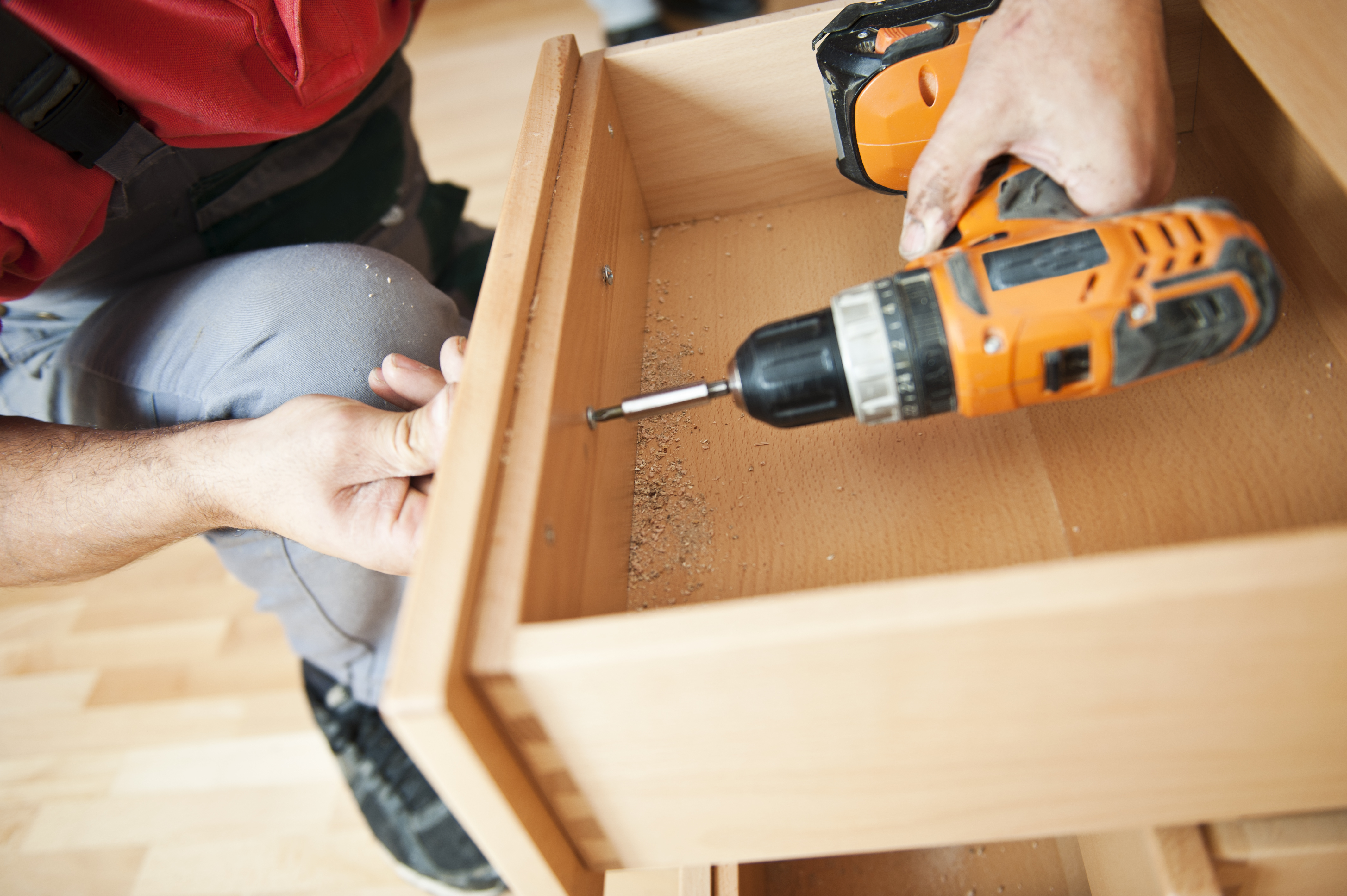
Using a shim or another type of self-leveling feet on the bottom edge of your cabinet bases will help to level them out if you’re installing them on a less-than-level surface. To make this process easier, you can add your shims before attaching the bases to your cabinets while they’re still light and easy to move around.
If your walls aren’t plumb, it can make installing frameless cabinets difficult because they require precise measurements so they don’t show imperfections. Any dissymmetry with installation can cause the doors and drawers to not function correctly. Frameless cabinets are also thicker and heavier, making them harder to install by yourself.
Options include stock, semi-custom, and custom cabinets, each offering varying levels of personalization and cost.
Costs range from $3,000 to $8,000, depending on the material, design, and number of cabinets.
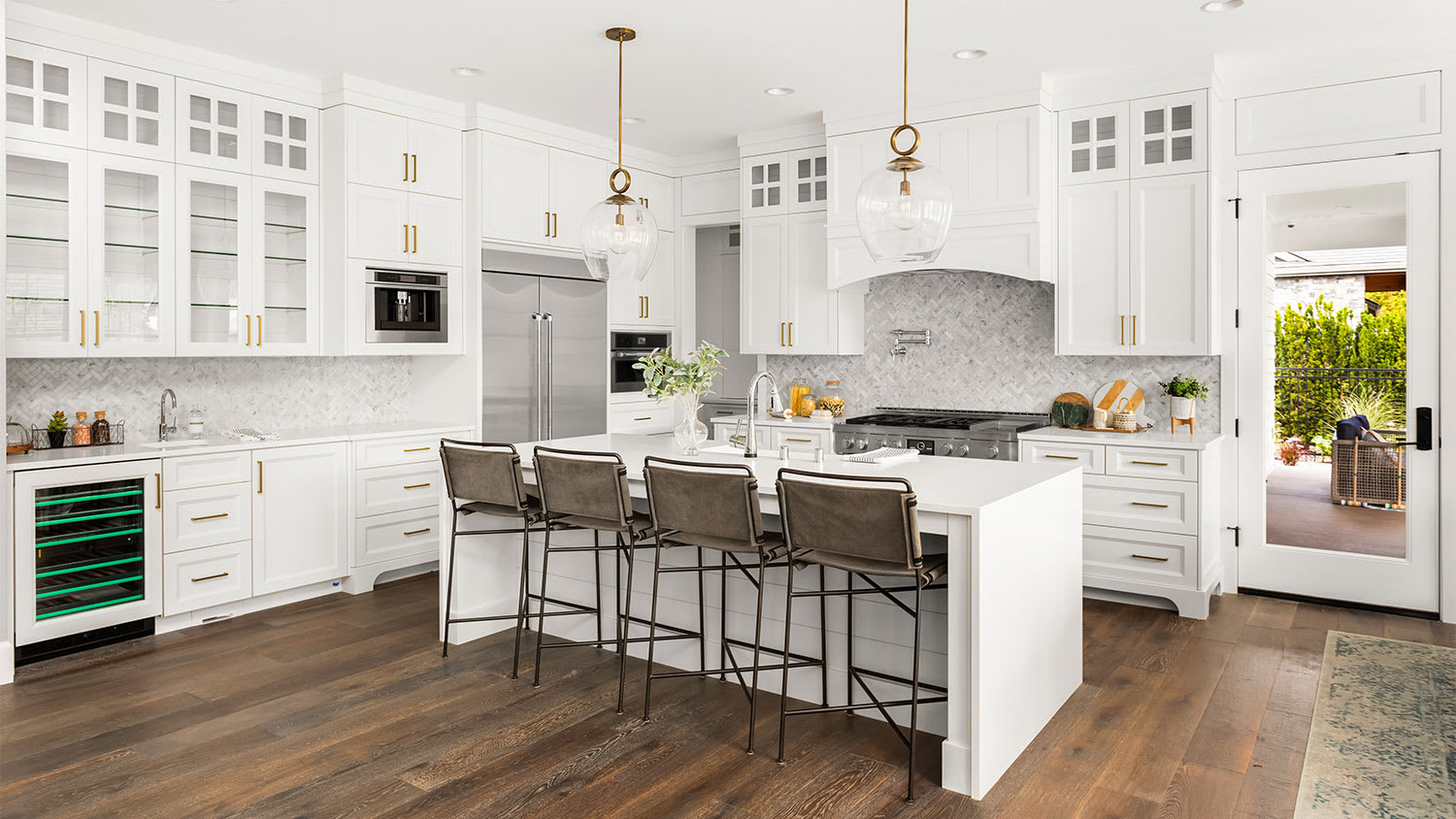
You can stack upper kitchen cabinets, but they may not fit neatly. Because upper kitchen cabinets are typically available in these standard sizes—12, 15, 18, 24, 30, 36, and 42 inches—you can stack various-sized upper cabinets. But, depending on your ceiling height, these standard sizes may not work together. That’s why smaller stacked cabinets are a much more stylish and economical choice.
The Arnold, NE homeowners’ guide to cabinet making services
From average costs to expert advice, get all the answers you need to get your job done.
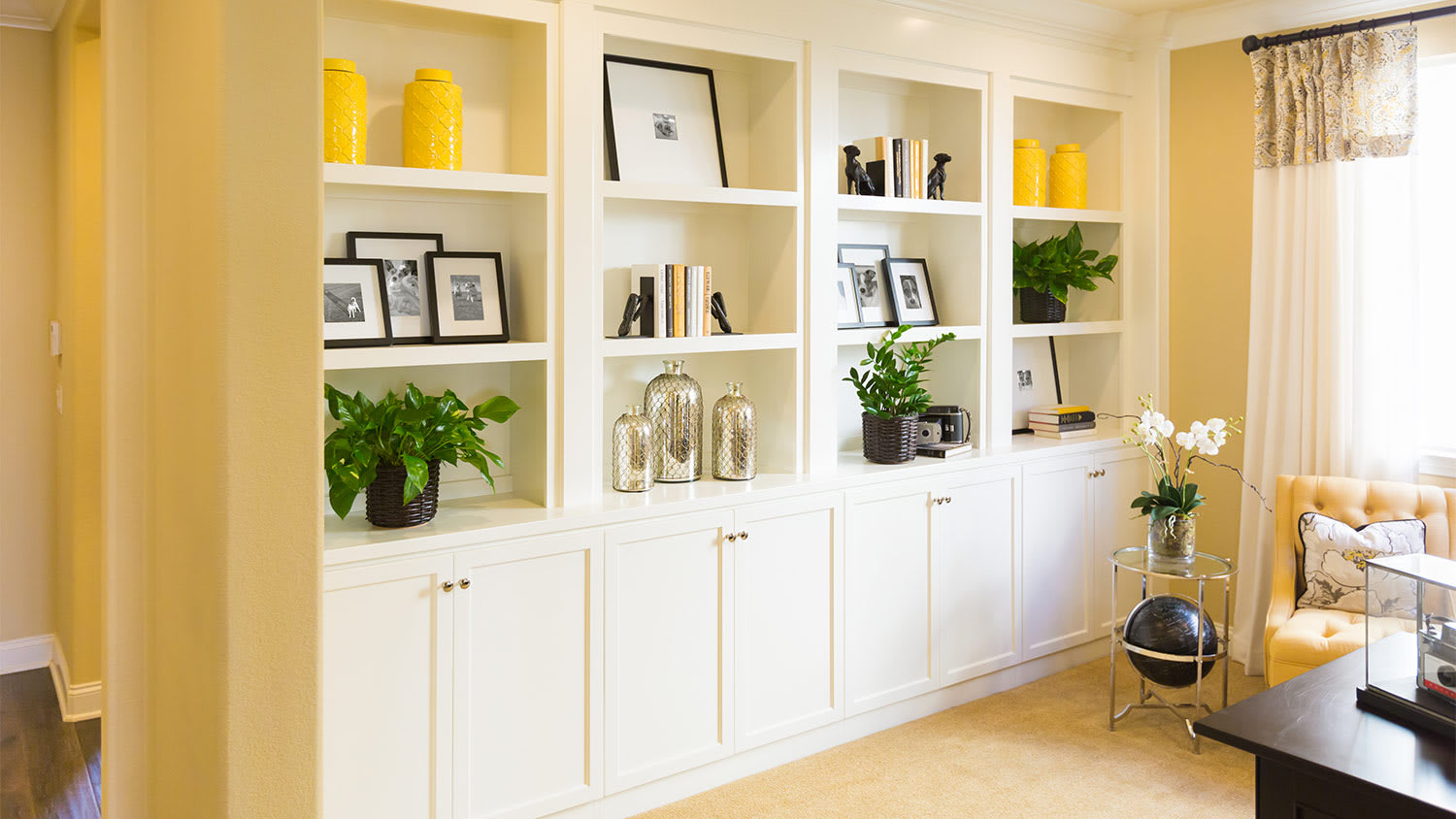
All rooms require various storage solutions for everyone’s needs. Find ways to increase your cabinet storage space outside the kitchen to stay organized.