We offer only the best in quality workmanship and professional courtesy. We specialize in all phases of commercial and residential landscaping. We are committed quality work and outstanding results & are strongly involved in local community activities. We look forward to working with you!
At CLM, we take tremendous pride in delivering a high-quality experience for each and every one of our clients. We offer a full range of contracting services including interior, exterior and property-related work. Call us today to learn how we can help turn your vision into a reality.
In general, cool-season grasses such as fescue grass, ryegrass, and Kentucky bluegrass are best for creating a striped lawn. Warm-season grasses like bermuda and zoysia grass don't curl as much, so grass stripes aren't as easy to see. If you live in a climate that’s better suited for warm-season grass, zoysia grass will typically be your best option.
Professional lawn care can increase your home’s value, as it beautifies your exterior and improves curb appeal. Potential buyers who pull up to a house that looks neat and clean will get a great first impression, and savvy buyers will know that a well-maintained exterior is probably indicative of proper care for other things, like electrical, plumbing, and HVAC systems. Ultimately, a lawn that’s professionally cared for can boost your home’s appearance and lead buyers to offer more for your house.
The best grass type for shady areas depends on your region, your preferences, and your yard’s microclimate. Overall, the best cool-season grass for shade is ryegrass or tall fescue, while the best warm-season grass for shade is St. Augustine. But again, this can depend on what you’re looking for in the grass. The best grass for your shady yard might be one that looks good to you, one that tolerates high foot traffic, or grass with other characteristics that make it fit your lawn needs.
Choosing between sod and seed depends on your budget, timeline, and maintenance preferences.
Sod:
Pros: Provides an instant, lush lawn and immediate curb appeal. It's more resistant to weeds and erosion, can be installed any time during the growing season, and offers a consistent appearance.
Cons: Has a higher upfront cost, typically $0.90 to $1.80 more per square foot than seed. It offers fewer grass varieties and must be installed immediately upon delivery.
Seed:
Pros: Less expensive upfront, making it a budget-friendly option. It offers a wider variety of grass types and is easier for a DIY installation.
Cons: Takes much longer to establish, potentially up to two years for a full lawn. It requires more maintenance, including regular weed control, and is more difficult to cultivate.
Ultimately, if you want a beautiful lawn quickly and have a larger budget, sod is an excellent choice. If you are patient, want to save money, and prefer a wider selection of grass types, seeding may be the better option.
Too much clover in your lawn can indicate several issues with your soil. Clover can thrive in soils with abnormally high pH, low-cut grass, and low nitrogen. Amending these issues can push clover out for good.
Hardy perennial clover loves the low nitrogen and compact conditions that often come with poor, infertile soils. But other factors also contribute to a clover explosion, including drought conditions, cool temperatures, under fertilization, and over-irrigation. You’ll need to evaluate all these elements when planning to kill off the clover.
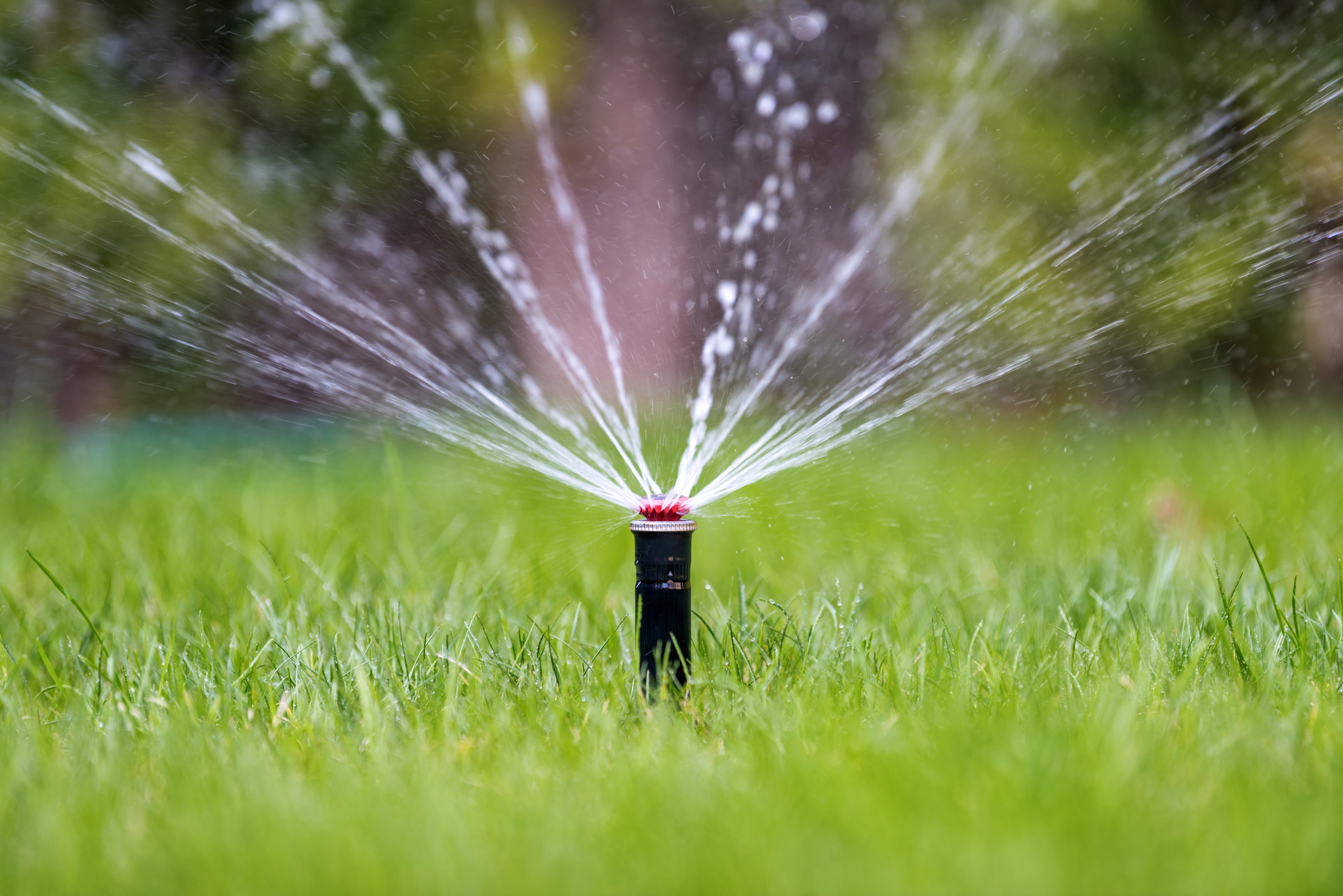
The Walhalla, ND homeowners’ guide to lawn irrigation services
From average costs to expert advice, get all the answers you need to get your job done.
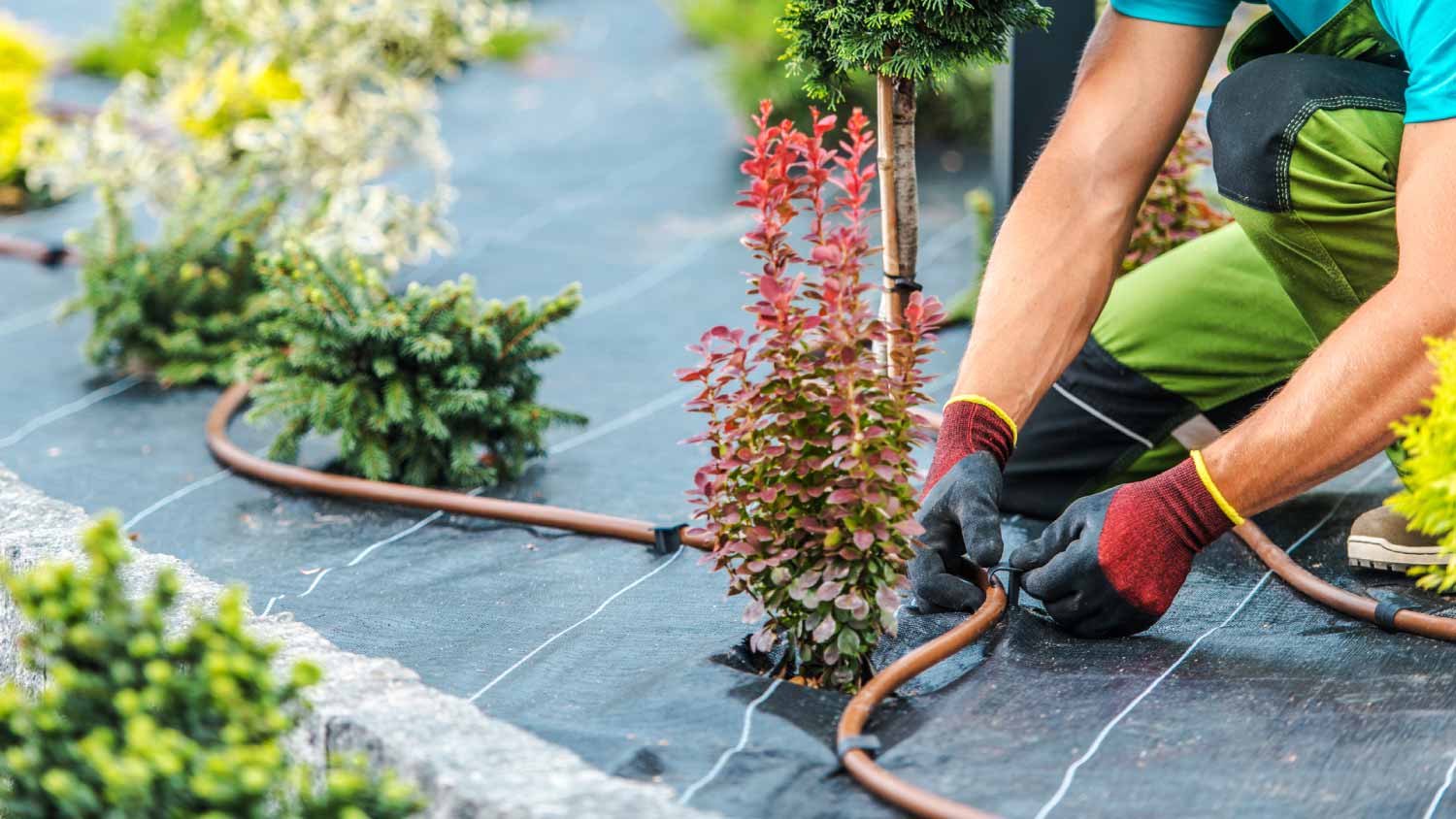
Need an effective solution for watering your garden? Here are four types of drip irrigation systems that can help you nurture your plants to perfection.
Can you keep your lawn healthy without a costly irrigation system? Absolutely. Learn the best way to water a lawn without a sprinkler system with this guide.