

A water pressure booster can add a lot of volume for a small price. Discover booster pump installation costs and cost factors in this guide.
The grass is always greener—as long as you have a working sprinkler system

Inconsistent water pressure in your sprinkler system points to clogged nozzles, buildup in valves, or a leak somewhere in the system.
Failure to prime your pump pushes air into the system, which leads to overheating and low or no water pressure.
Damaged components like a broken motor or faulty wiring stop your pump from turning on, so your lawn and plants miss water.
Hiring a local sprinkler repair professional provides reliable help with pressure issues and pump motor repairs, keeping your lawn healthy and green.
Your sprinkler system is the key to a lush lawn, but occasionally, one of the components will need a repair. The irrigation pump is among the most critical—it’s what pushes water through the system. If it's not working correctly, you may notice issues like low water pressure, weird noises, and dry patches on your lawn. Though the most common problems with irrigation pumps can have multiple causes, this guide can help you find the right fix.
Low or fluctuating water pressure is one of the most common problems with irrigation pumps. If this is your issue, you may notice problems like:
Sprinklers mist rather than produce a solid spray
Dry patches in your lawn
Sprinkler heads don’t (or barely) produce water
Sprinklers take a long time to turn on
Inconsistent pressure can have several different causes—and it’s not always your pump. It could be something as simple as a clogged nozzle or valve, buildup from hard water, or a leak somewhere in the system.
If your water pressure is consistently low, you may need to install a booster pump or redistribute your sprinkler heads. Adding additional zones with more nozzles can help. Other times, you may need a pump repair or work on the municipal water supply. The best course of action to fix inconsistent water pressure is to call a sprinkler repair pro near you.
Your sprinklers won’t work if the irrigation pump won’t turn on. This usually points to a problem with the electrical wiring or one of the individual components within the pump, like the motor.
First, check to see if your pump tripped a circuit breaker. If the circuit is on, inspect your pump’s wiring for loose connections or damage. You’ll need to call a local electrician to make electrical repairs. If power isn’t the issue, it’s likely a broken pump motor. Hire a pro to repair or replace it.

Inconsistent water pressure can actually damage your sprinkler heads. High pressure can crack the nozzles. Too little pressure can prevent the sprinkler heads from popping up when you start your system. Inconsistent pressure can also push debris into your sprinkler heads, clogging the nozzles.
If your sprinkler heads are clogged with debris, remove them and clean them. You may need to replace damaged sprinkler heads. To solve the underlying issue with water pressure, you’ll need to call a pro.
Is your irrigation system simply not working like it used to? Poor performance can be a result of not priming your irrigation pump. Priming pushes air out of the pump casing and suction lines, filling them with water. Without priming, your pump won’t be able to effectively draw in water. It may overheat or prematurely wear, and you may notice low or no water pressure.
Prime your pump. Many irrigation systems are self-priming, but you still may need to fill the casing with water before running your sprinkler. If your system needs to be repeatedly primed between cycles, you probably have a broken valve that needs repair.
Your sprinkler pump can have normal wear and tear and spring a leak, especially if it’s working overtime because it hasn’t been properly maintained. This will cause low water pressure.
Since there are a lot of reasons your sprinkler system can leak, you’ll need to narrow down the exact source. Check the connections around the pump. You may have to tighten loose connections or replace damaged hoses.
You may need to drain your irrigation pump before temperatures dip below freezing, though newer pumps may do it automatically. If you forget, water that’s left inside your pump will expand as it freezes. This can crack the pump.
Make sure you winterize your sprinkler system. If components are damaged from the season before, hire a pro for a repair or replacement.

There are a few reasons your pump might sound a bit louder than usual. Sometimes, the parts need lubrication, the mount isn’t secure, or there are clogs inside the system. Another cause has to do with the suction lift—how high your pump is above the surface of the water. If the distance is too great, your pump will make excess noise.
Inspect the pump for debris and clear clogs as needed. Lubricate the moving parts and ensure the pump mounts are fully secure. If that doesn’t work, you may be able to solve the problem by relocating the pump closer to the water source, but you should call a pro for this type of repair.
Your sprinkler system has a lot of different components. Even just the pump itself relies on very specific mechanics. Call a pro for sprinkler repair anytime you have a problem you can’t solve with a simple fix, like clearing away a clog or flipping a circuit breaker. DIY work can damage your system if you don’t know what you’re doing.
Cody did a great job!
 Itzelpainting
Wonderful. I am going to have them remove and replace my driveway in the spring.
 All Star Paving and Sealing
We had a 20+ year old landscape lighting system that needed replacement. Midwest Lightscapes worked with us to design a much improved lighting system, lighting the exterior of the house and the back yard. Installation of the 45 light system took one and one-half days, and went very smoothly....
 Midwest Lightscapes
Did an amazing job transforming my yard. Also installed sod in places, would recommend to everyone.
 Cardinal Landscaping & Construction LLC
Always been satisfied with the service work and how they have taken care of my pool.
Bill Gerhardt sold the company to his employees at the end of 2019, apparently without a workable succession plan and without notifying prospective customers of this fact. Most aspects of the maintenance contract have not been fulfilled: no installation of anual plantings per contract, no...
They show up and they did take us on as a client which seems to be a problem with other lawn care providers. We have multiple properties and this one was located close to downtown and no one really wants to mess with it.
I was very happy with the service provided by AK Irrigation. They responded quickly to my email, and the woman I spoke with was polite and professional. I was able to get an appointment that same week. <br /> The technician (Tyler) arrived on time. He was very knowledgeable, and worked...
 AK Irrigation
The worker came out when he was supposed to come. He informed me he would honor the Angie's List deal, but would not do any more work for me since my son in law owns lawn care company as well, even though they do not do the same type of work. He said he did not feel comfortable giving me...
 Bello Giardino LLC
E & L Lawn Care was super. They were very responsive before and after service. They were efficient and were able to complete the job within 1 day. I have had concern about one section of sod - the owner was pro-active and did a visit to evaluate. I have no doubt they will stand behind...
 E&L lawn care
From average costs to expert advice, get all the answers you need to get your job done.
A water pressure booster can add a lot of volume for a small price. Discover booster pump installation costs and cost factors in this guide.
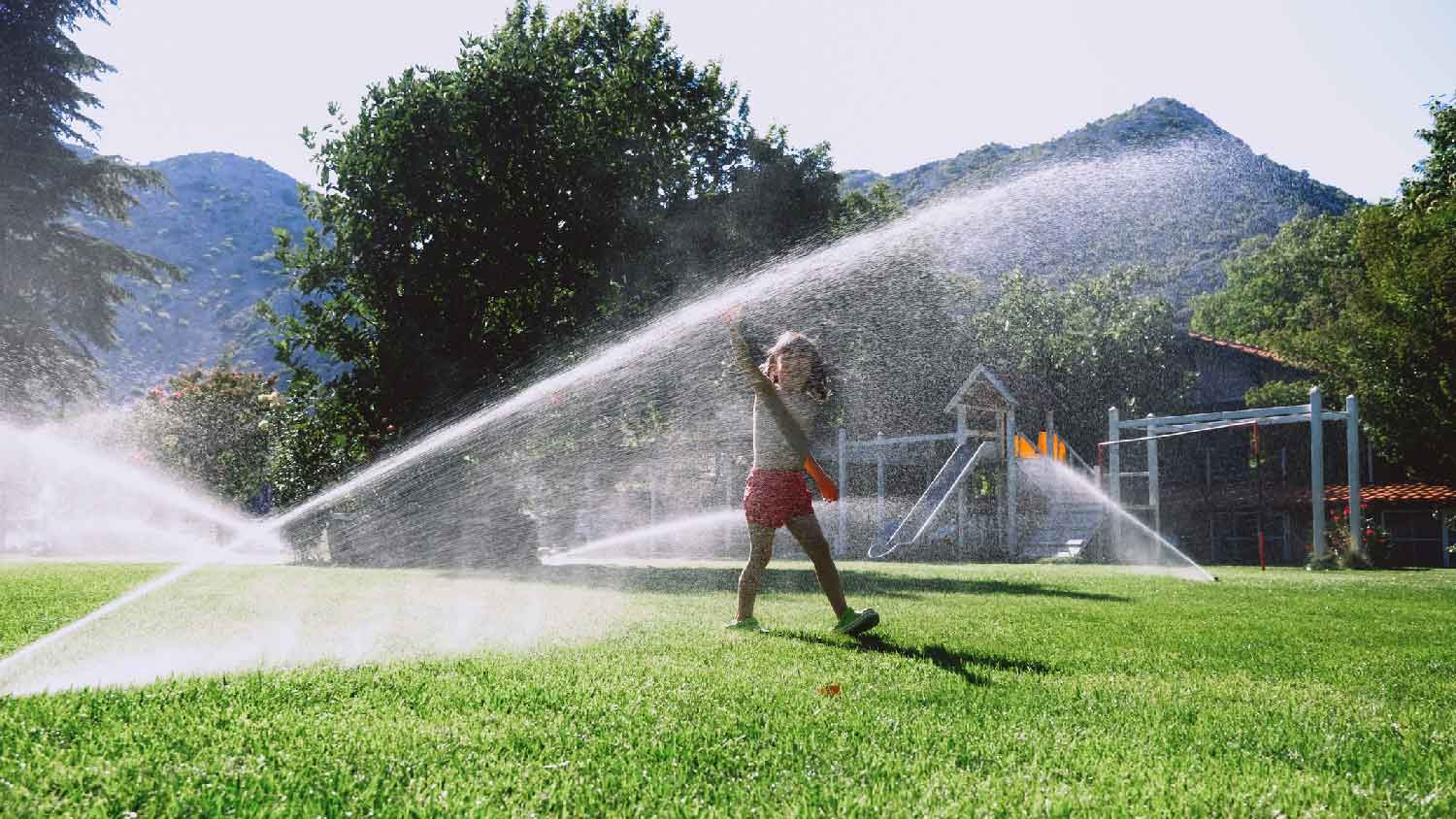
If your sprinkler system isn’t working, it may be time for a new pump. Find out sprinkler pump replacement costs with this guide.
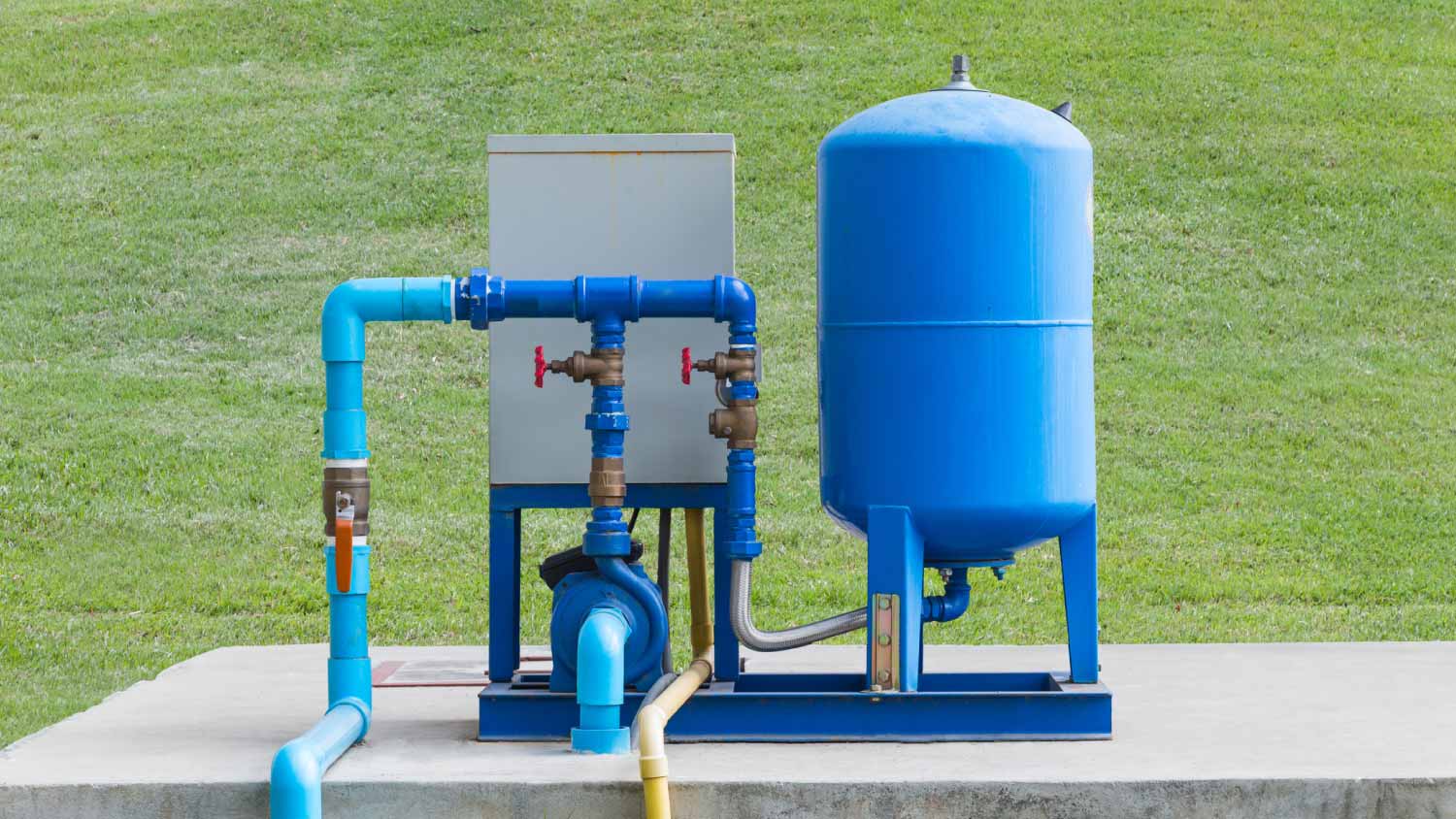
Common well pump problems are power loss, a wrong-sized pump, intermittent cycling, pressure tank failure, and dirty water. Call a pro to troubleshoot quickly.
Don’t put up with low pressure or unsafe water—learn more about signs of well pump failure and how to deal with it proactively and efficiently in this guide.

The four types of well pumps are submersible, jet, centrifugal, and hand pump. Choose the appropriate one based on the depth and size of your property’s well.
From rumbling sounds to leaky valves, you may be asking yourself: why is my pool pump not working? Here's how to troubleshoot pool pump issues.