
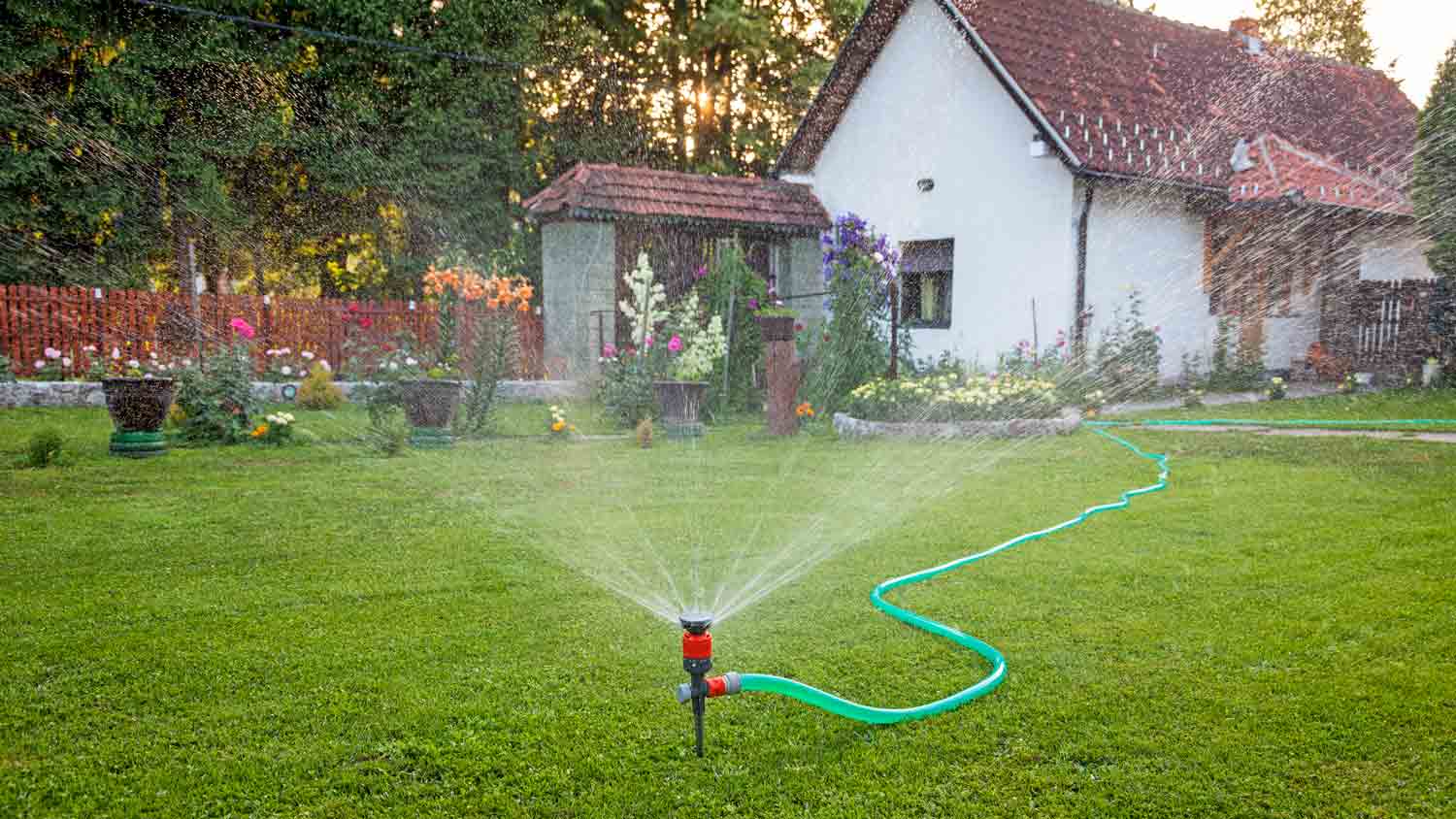
Need to repair a sprinkler or install a new one? Learn the parts of the sprinkler system and how they all work together to water your lawn and garden.
Excellent lawn care starts with proper water flow

Understanding how a sprinkler valve works starts with the solenoid, which creates a magnetic field to lift the plunger and allow water flow to your lawn zones.
Your sprinkler valve controls water flow through the diaphragm or piston, which opens when the solenoid activates and closes when the current stops, directing water precisely where you need it.
Check your sprinkler valves for common issues like leaks around the valve body, debris blocking the solenoid, or a damaged diaphragm preventing proper opening and closing.
Hiring a local sprinkler installation professional provides expert help with valve repairs, solenoid replacement, and system troubleshooting to keep your irrigation running smoothly.
Sprinkler systems have revolutionized the way we irrigate lawns, gardens, and crops. At the heart of these systems lie sprinkler valves, which play a pivotal role in controlling the flow of water to various zones. But how does a sprinkler valve work to keep your lawn or garden in top shape? And how can you ensure it stays functional? Whether you're a seasoned gardener or a homeowner looking to enhance your landscaping, understanding how sprinkler valves work is essential.

A typical sprinkler valve comprises several key parts that work in harmony to regulate water flow. Understanding these components is crucial for grasping the valve's operation.
Also known as the “valve box,” the valve body houses the essential components of the sprinkler valve. Basically, it provides structural support and protection.
The diaphragm (or piston) is the heart of the valve and is responsible for opening and closing the valve in response to control signals.
An electromagnetic coil, the solenoid controls the diaphragm's movement. When activated, it allows water to flow through the valve.
The valve seat is a sealing surface that prevents water from escaping when the valve is closed.
These are the points through which water enters and exits the sprinkler valve. Proper alignment and sealing of these ports are crucial for the valve's operation.
The operation of a sprinkler valve can be divided into three main actions: opening the valve, closing the valve, and controlling water flow. Let's explore each of these actions in detail.
When an electric current is applied to the solenoid, it creates a magnetic field that lifts the solenoid plunger, allowing water to flow from the inlet to the outlet.
A spring mechanism or hydraulic pressure pushes the diaphragm or piston back into its closed position when the current to the solenoid is interrupted. This effectively closes the sprinkler valve and stops the water flow.
The amount of water flowing through the valve is determined by the position of the diaphragm or piston. Partial opening allows for controlled water flow rates.

Sprinkler valves come in different varieties to suit various applications. The three primary types are manual valves, electric valves, and hydraulic valves. Each type serves a specific purpose, offering distinct advantages in different scenarios.
Manual valves: Operated by hand, these valves are best for smaller irrigation systems.
Electric valves: These valves operate electronically and allow for precise and automated water scheduling.
Hydraulic valves: Often used in larger agricultural settings, hydraulic valves rely on liquid pressure to open and close. They’re great for high-flow applications.
If you have any of these common sprinkler problems, here’s how you can start troubleshooting:
Leakage: Check for leaks around the valve body, diaphragm, or solenoid. Leaks can waste water and damage your system.
Valve won't open: If the valve fails to open, inspect the solenoid for damage or debris blockage.
Valve won't close: A valve that remains open could have a damaged diaphragm or debris preventing closure.
Don't neglect your sprinkler system maintenance, such as annual cleanings and inspections. These upkeep tasks can help prevent costly issues like clogged pumps and leaking pipes.

To keep your sprinkler system in good working condition, regularly clean and inspect your sprinkler valves. Remove any debris, sediment, or mineral buildup that can affect their performance. If you encounter complex issues, consider seeking professional help to avoid further damage and having to fully replace your sprinkler valve.
Deciding whether to install your sprinkler system yourself or hire a professional depends on your expertise and the complexity of the project. DIY installations can save money, but they may be more time-consuming and require a deeper understanding of irrigation systems.
If you’re unsure about your ability to install or repair a sprinkler valve, enlist the help of a local sprinkler company. They can offer expertise and guarantee optimal performance of your sprinkler system.
Cody did a great job!
 Itzelpainting
Wonderful. I am going to have them remove and replace my driveway in the spring.
 All Star Paving and Sealing
We had a 20+ year old landscape lighting system that needed replacement. Midwest Lightscapes worked with us to design a much improved lighting system, lighting the exterior of the house and the back yard. Installation of the 45 light system took one and one-half days, and went very smoothly....
 Midwest Lightscapes
Did an amazing job transforming my yard. Also installed sod in places, would recommend to everyone.
 Cardinal Landscaping & Construction LLC
Always been satisfied with the service work and how they have taken care of my pool.
Bill Gerhardt sold the company to his employees at the end of 2019, apparently without a workable succession plan and without notifying prospective customers of this fact. Most aspects of the maintenance contract have not been fulfilled: no installation of anual plantings per contract, no...
They show up and they did take us on as a client which seems to be a problem with other lawn care providers. We have multiple properties and this one was located close to downtown and no one really wants to mess with it.
I was very happy with the service provided by AK Irrigation. They responded quickly to my email, and the woman I spoke with was polite and professional. I was able to get an appointment that same week. <br /> The technician (Tyler) arrived on time. He was very knowledgeable, and worked...
 AK Irrigation
The worker came out when he was supposed to come. He informed me he would honor the Angie's List deal, but would not do any more work for me since my son in law owns lawn care company as well, even though they do not do the same type of work. He said he did not feel comfortable giving me...
 Bello Giardino LLC
E & L Lawn Care was super. They were very responsive before and after service. They were efficient and were able to complete the job within 1 day. I have had concern about one section of sod - the owner was pro-active and did a visit to evaluate. I have no doubt they will stand behind...
 E&L lawn care
From average costs to expert advice, get all the answers you need to get your job done.
Need to repair a sprinkler or install a new one? Learn the parts of the sprinkler system and how they all work together to water your lawn and garden.
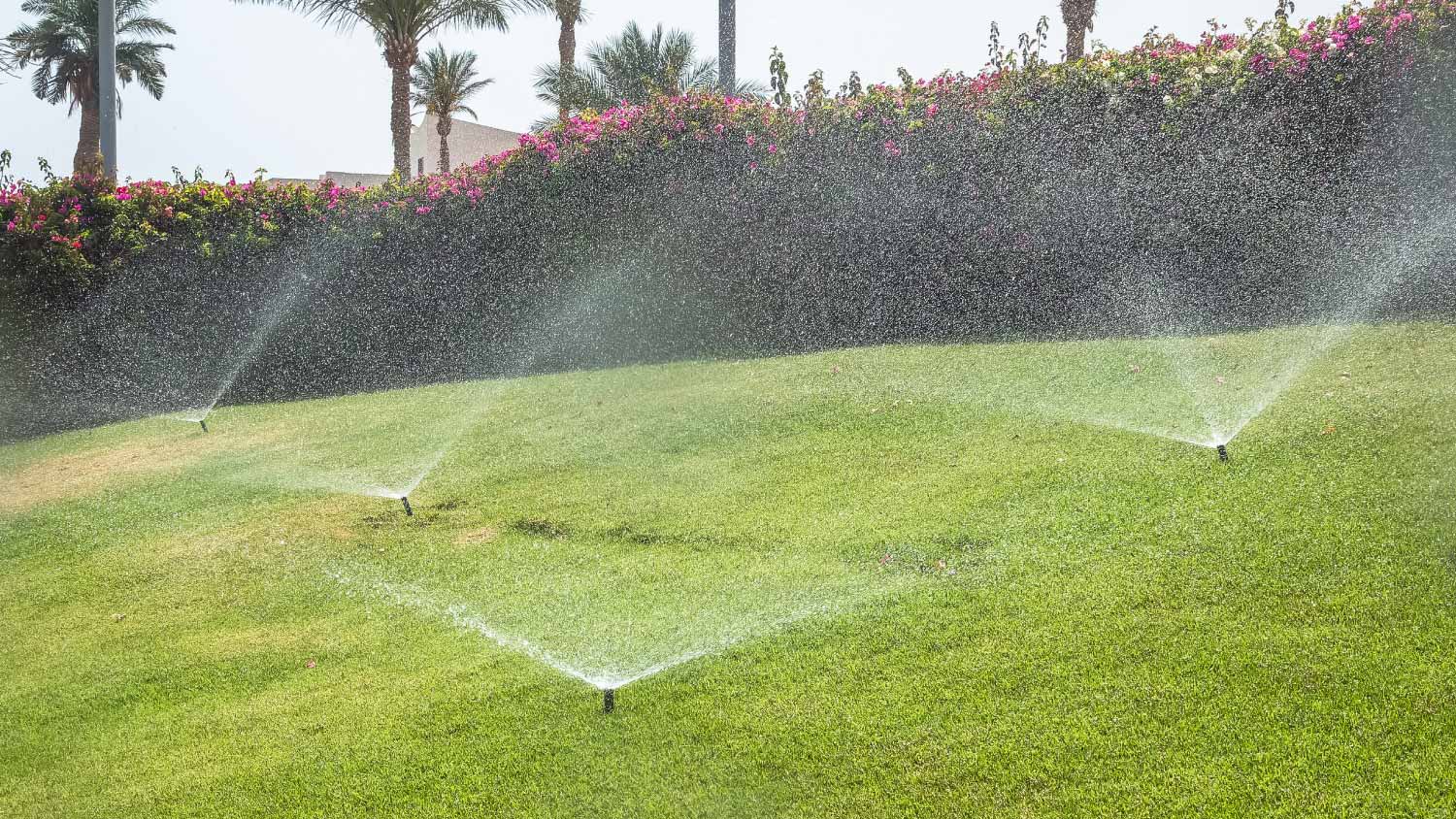
Sprinkler valves work hard, opening and closing to control water flow to your sprinklers. So, how long do sprinkler valves last? Find out in this guide.
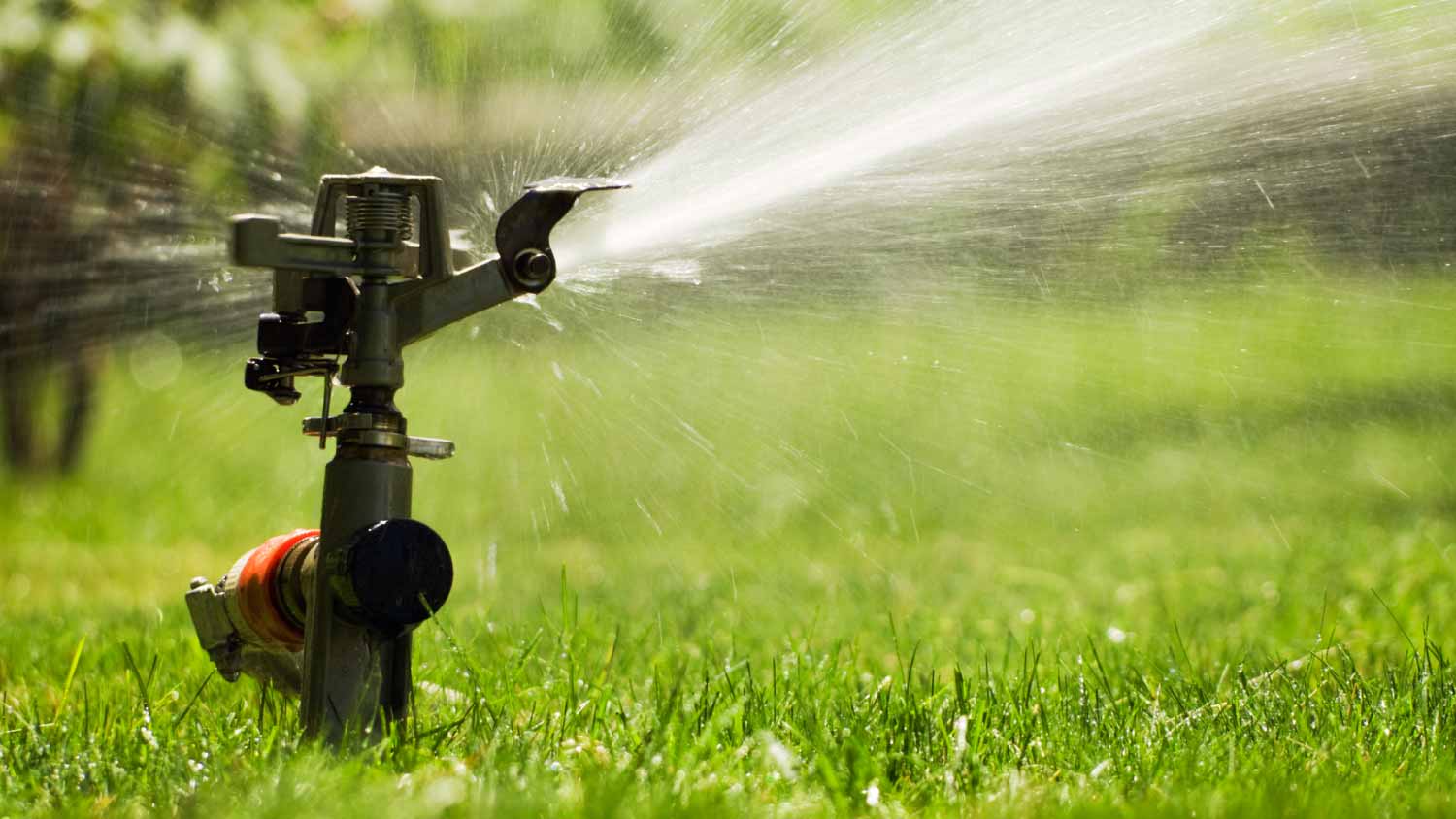
Are you wondering how irrigation valves work? Read our guide to learn more about these important sprinkler system parts.
Whether you need to make a repair or are prepping to winterize your sprinklers, learn how to find your irrigation shut-off valve location with this guide.
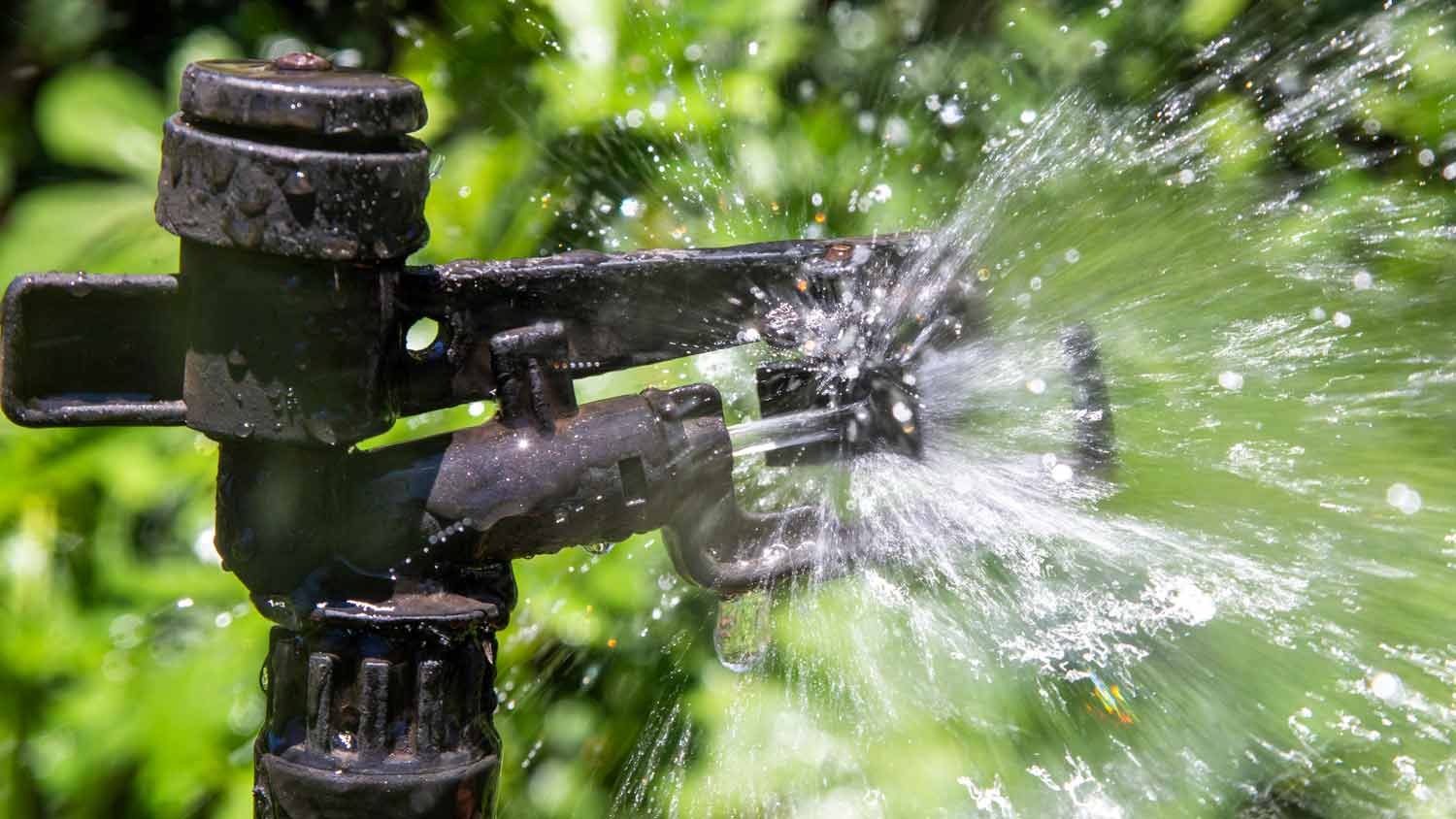
A landscaping sprinkler system will keep your lawn green and flowers blooming, but wear and tear can cause leaks. Learn the common causes of this problem.
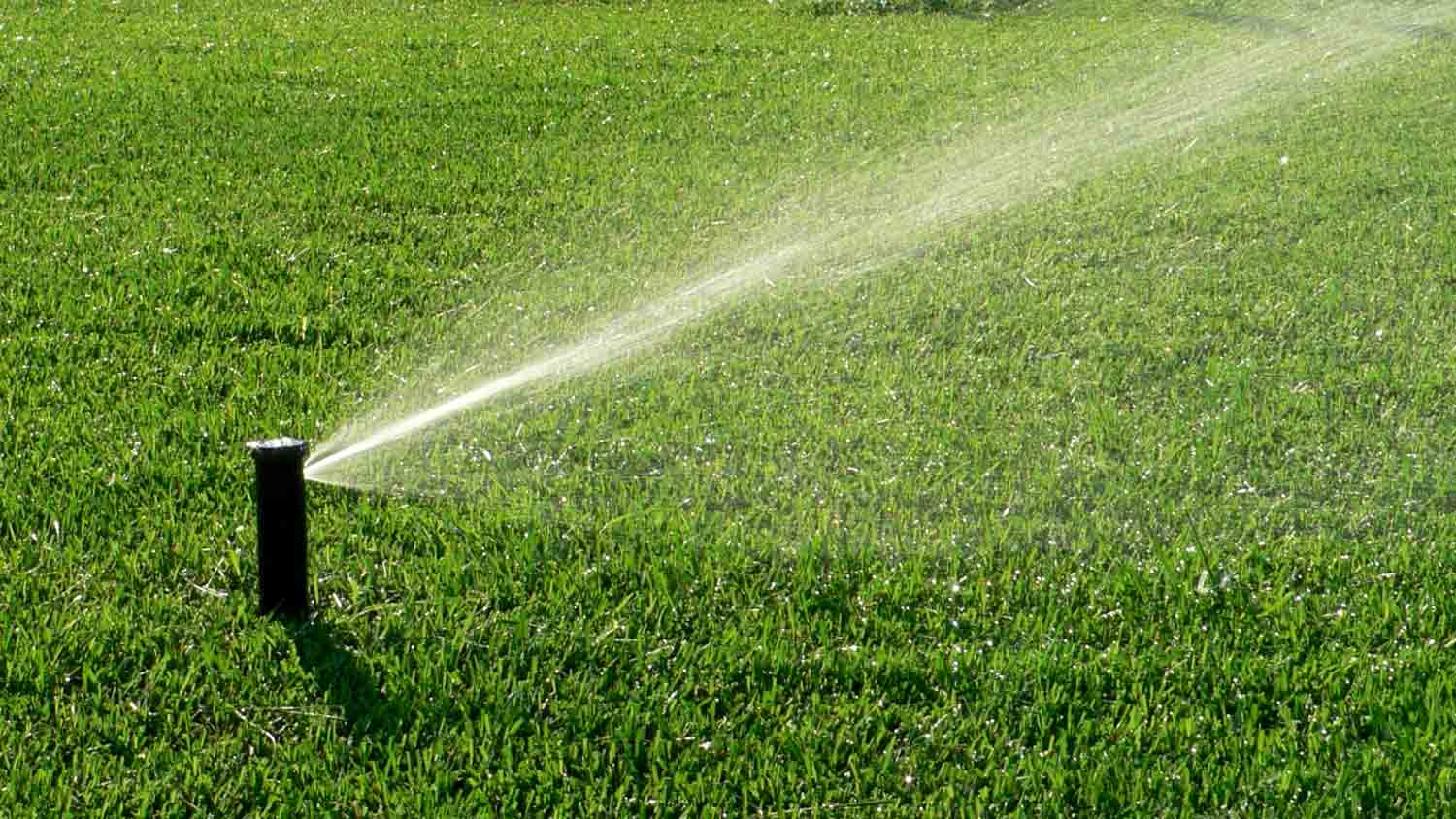
Wondering how to find irrigation valves on your property? Locating them can be challenging. Learn how to tackle this project with our guide.