Load n Go Removal Services is your locally owned and operated solution for fast, reliable, and hassle-free junk removal. We believe that clearing out clutter shouldn't be a headache. Whether you're reclaiming your garage, cleaning out an estate, or tackling a commercial cleanout, our professional crew handles the heavy lifting from start to finish. We are deeply committed to our community's environmental footprint, prioritizing eco-friendly disposal methods by recycling and donating usable items whenever possible. Reclaim your space today with transparent pricing, prompt service, and a team you can trust.
We offer only the best in quality workmanship and professional courtesy. We specialize in all phases of commercial and residential landscaping. We are committed quality work and outstanding results & are strongly involved in local community activities. We look forward to working with you!
At CLM, we take tremendous pride in delivering a high-quality experience for each and every one of our clients. We offer a full range of contracting services including interior, exterior and property-related work. Call us today to learn how we can help turn your vision into a reality.
One of the best ways to soften your grass and prepare it for planting grass seed is aeration. Aerating your lawn will loosen up compacted soil and facilitate a more even balance of nutrients from root to topsoil. We recommend using core aeration methods for the most effective soil-loosening results.
Yes, Bahia grass spreads on its own thanks to its short stolon system. However, it might not seem like your Bahia grass spreads well due to its slow growth. Bahia grass takes around 3 to 4 weeks to germinate and an additional two weeks to grow thicker.
During this time, fast-growing, competitive weeds may pop up, so weed your lawn to give your Bahia grass a chance to grow. This grass can take up to two years to become established. Once established, Bahia grass typically does well in suitable climates.
Germination varies with grass type and climate, generally taking 7 to 21 days. Full lawns develop over a few months.
Mowing is one of the most important ways to maintain your lawn because it encourages grass to grow horizontally, creating a fuller, more uniform yard. On top of mowing your lawn, you’ll want to routinely fertilize your lawn, water it regularly, and take care of pests the moment they arise.
Choosing the right grass seed and planting it at the right time are the most important factors in establishing fast-growing grass. You also need adequate water, sunshine, and nutrients. To speed up the growth process, you can implement some tips and tricks, including watering it deeply and frequently, and using an iron-rich fertilizer to boost its appearance.
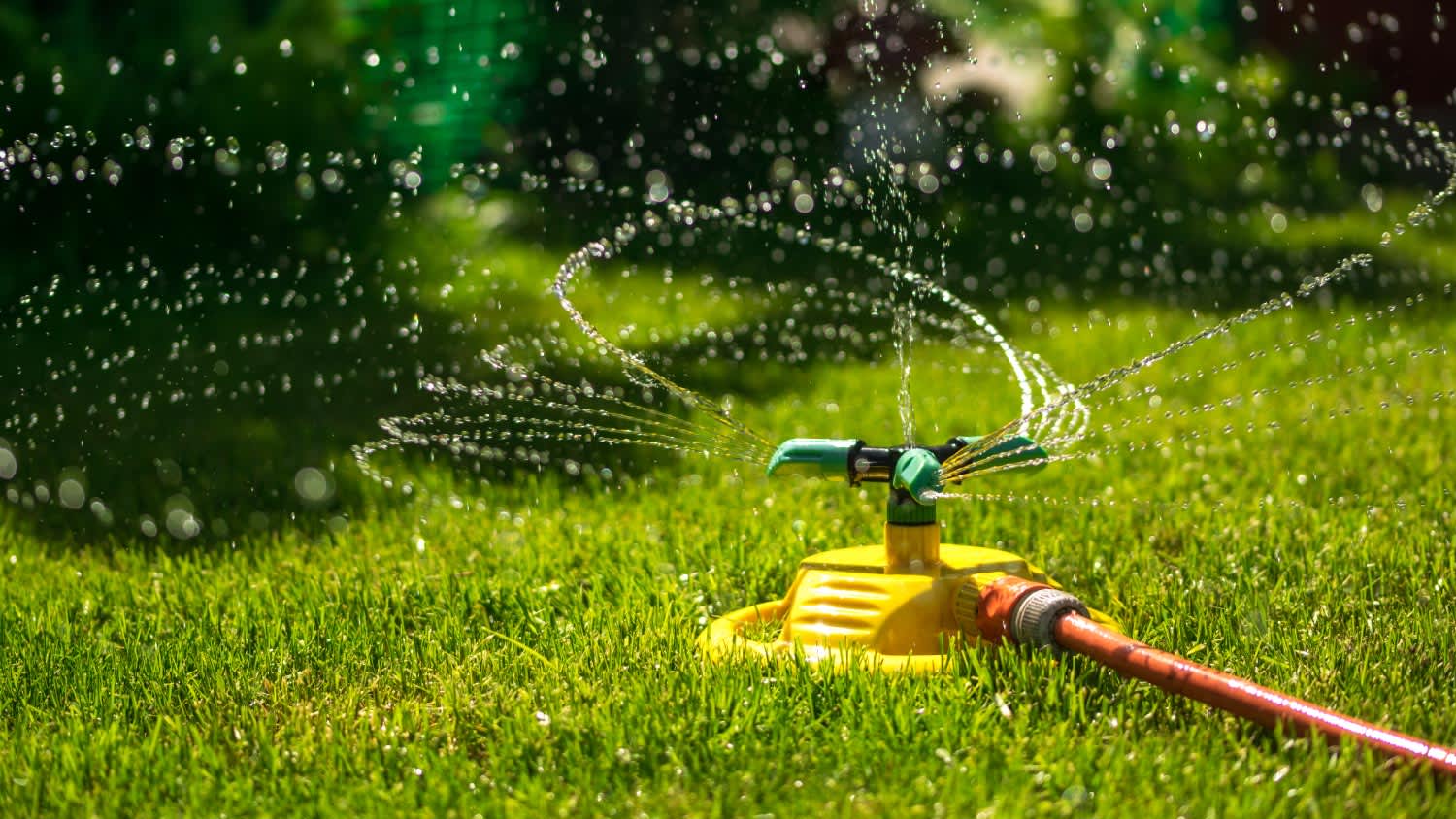
The Minto, ND homeowners’ guide to lawn irrigation services
From average costs to expert advice, get all the answers you need to get your job done.
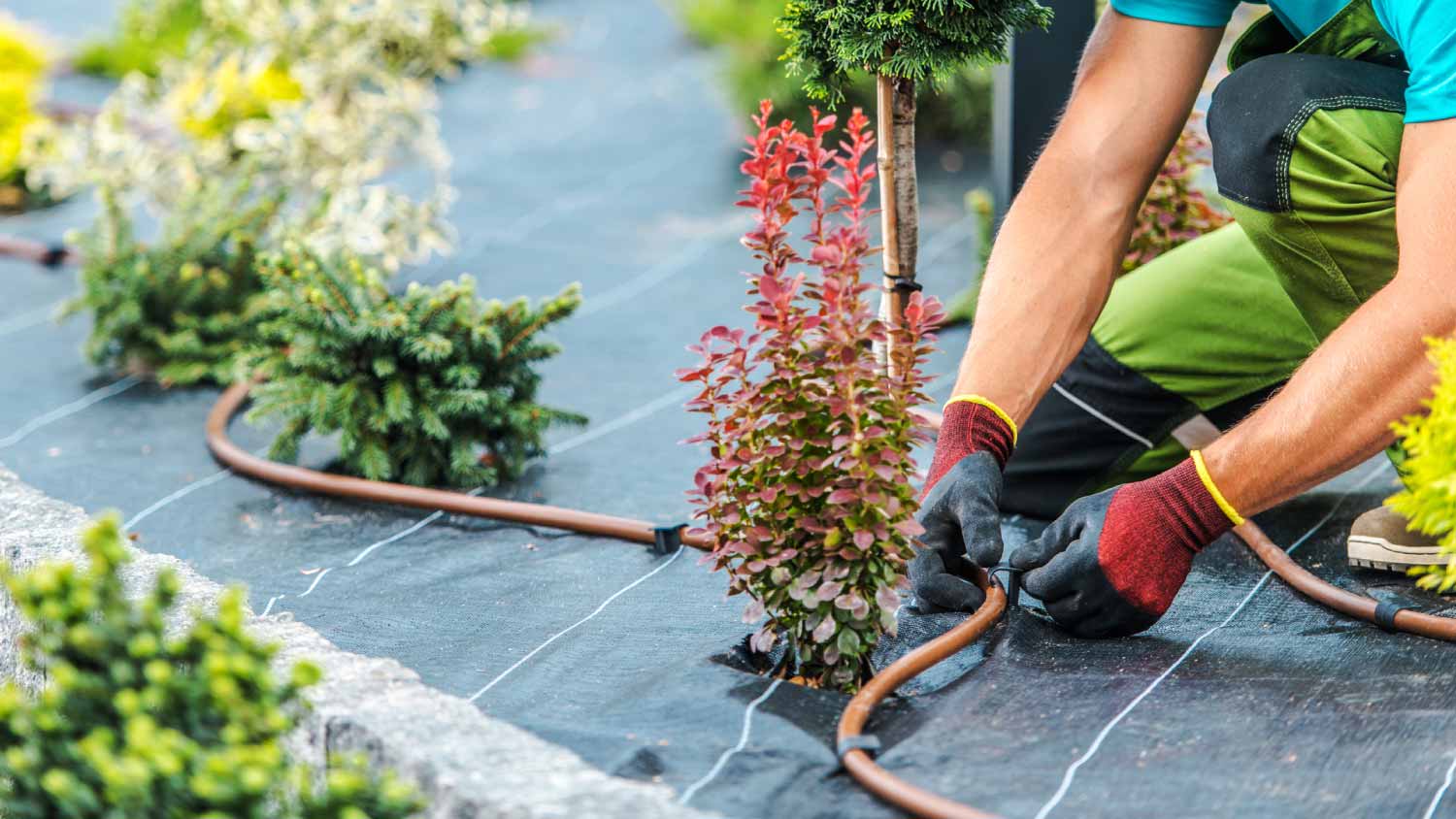
Need an effective solution for watering your garden? Here are four types of drip irrigation systems that can help you nurture your plants to perfection.
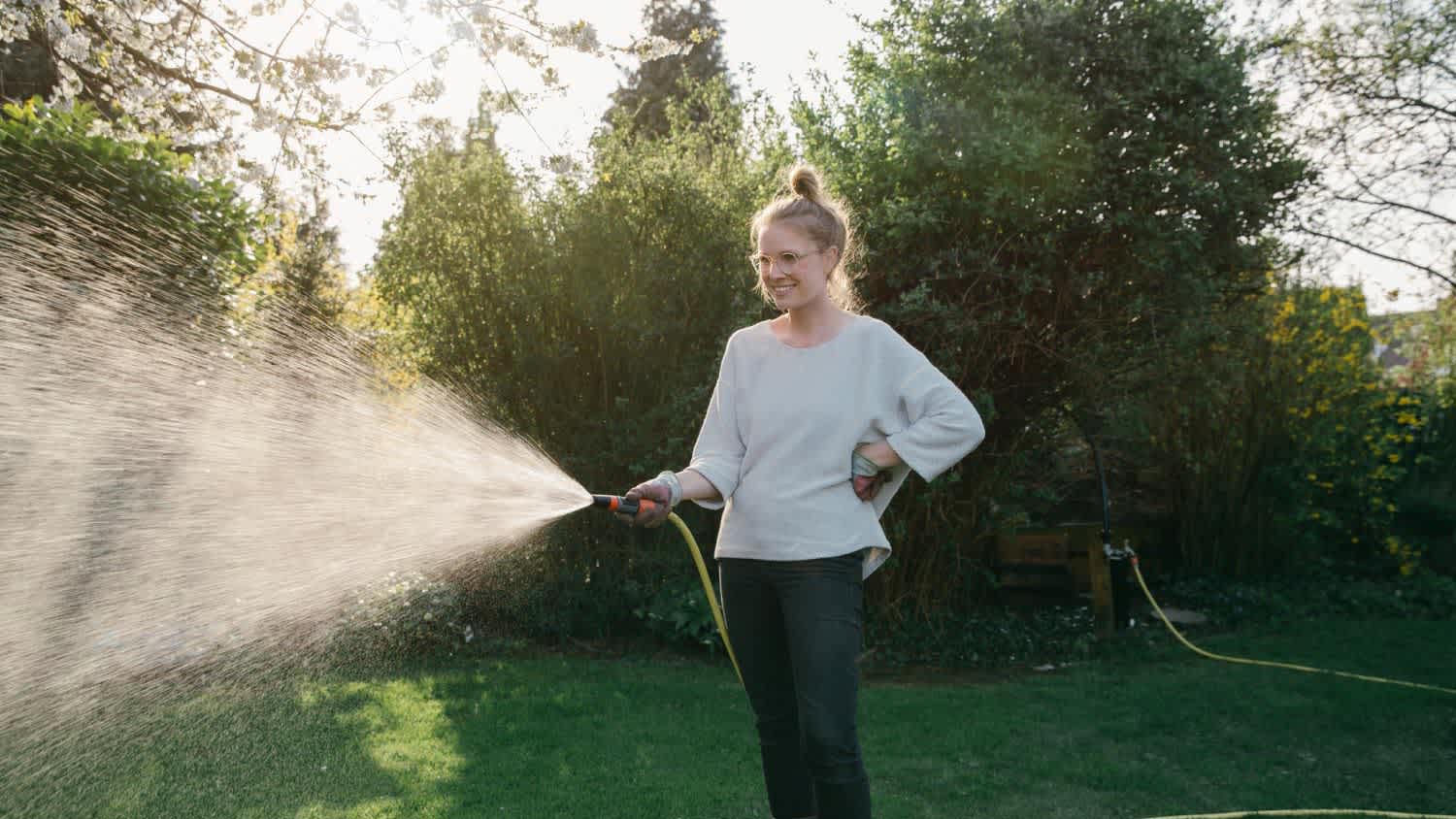
Can you keep your lawn healthy without a costly irrigation system? Absolutely. Learn the best way to water a lawn without a sprinkler system with this guide.